Wholesale Second Hand Clothes in Europe: A Sustainable Choice
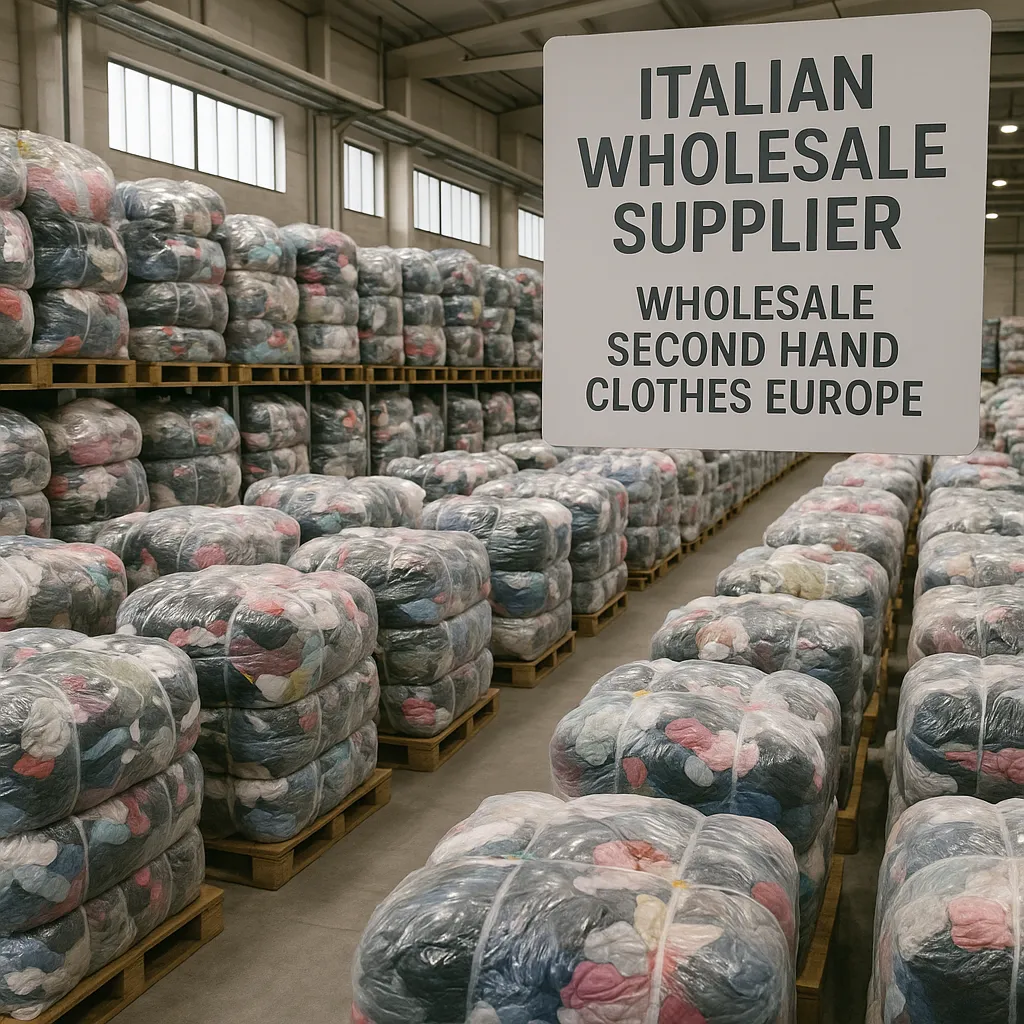
Wholesale second hand clothes Europe has become a growing market, attracting businesses and consumers looking for affordable and sustainable fashion options. The increasing awareness of environmental issues has led many to seek out alternatives to fast fashion, making the second-hand clothing market more appealing than ever. With a variety of suppliers across Europe, companies can access high-quality garments at competitive prices, significantly reducing their environmental footprint while also catering to the increasing demand for unique styles and vintage pieces. As the trend continues to grow, understanding the landscape of wholesale second hand clothing in Europe is essential for anyone looking to tap into this lucrative market.
Understanding the Wholesale Second Hand Clothes Market in Europe
The wholesale second hand clothes market in Europe is characterized by a diverse range of suppliers and products. From bulk purchases to specialized collections, businesses can find various options that cater to different demographics and fashion preferences. Many suppliers source their clothing from donations, unsold stock, or overproduction, ensuring that each piece represents a sustainable choice. Additionally, the regulations surrounding second-hand clothing can vary between countries, which impacts pricing and availability. By understanding these factors, businesses can better navigate the market and establish successful partnerships with suppliers. It is essential to research and identify reliable wholesalers who can offer quality products while adhering to ethical practices, thus ensuring a positive impact on the environment and the communities involved.
Benefits of Sourcing Wholesale Second Hand Clothes
Sourcing wholesale second hand clothes offers numerous benefits for retailers and entrepreneurs. One of the most significant advantages is cost-effectiveness, as second-hand items are typically more affordable than new garments. This allows businesses to maintain competitive pricing, which can attract a broader customer base. Furthermore, the uniqueness of second-hand clothing can set a business apart in a saturated market, as consumers increasingly seek individuality in their fashion choices. Sustainability is another key benefit; by choosing second hand, retailers contribute to reducing waste and promoting a circular economy. This commitment to environmental responsibility resonates with many consumers today, making it a powerful selling point. Overall, sourcing wholesale second hand clothes not only supports financial growth but also aligns with the values of conscious consumerism that are becoming increasingly important in the fashion industry.
Key Considerations When Buying Wholesale Second Hand Clothes
When entering the wholesale second hand clothes market, several important considerations can guide your purchasing decisions. First, quality is paramount; always inspect garments for damage or excessive wear to ensure that the items will meet customer expectations. Establishing a relationship with reputable suppliers is crucial, as this can affect the consistency and quality of future orders. Price points should also be considered; while affordability is a key advantage, ensure that your margins are sustainable for your business model. Additionally, consider the target audience and market trends; understanding what styles and types of clothing are in demand will help you make informed purchasing choices. Finally, be aware of legal and regulatory requirements regarding second-hand clothing in your region, as compliance will protect your business and foster trust with your customers.
Where to Find Wholesale Second Hand Clothes in Europe
Finding reliable sources for wholesale second hand clothes in Europe can be an exciting yet challenging endeavor. Numerous websites and platforms specialize in connecting businesses with wholesalers, offering a vast array of garments to explore. Trade shows and industry events are also excellent venues for discovering new suppliers and networking with other professionals in the field. Additionally, many European countries have established organizations and cooperatives dedicated to sustainable fashion, which can provide valuable insights and access to reputable sources. It’s essential to conduct thorough research before committing to a supplier; reading reviews and requesting samples can help ensure that the quality meets your standards. Collaborating with local charities and non-profits can also yield unique sourcing opportunities while supporting community initiatives. By leveraging various avenues to find wholesale second hand clothes, businesses can create a diverse and appealing inventory that resonates with their customers.
Building Relationships with Suppliers
Building strong relationships with suppliers is crucial in the wholesale second hand clothes market. Open communication and transparency are vital for fostering trust and ensuring that both parties understand expectations and requirements. Regularly discussing trends, inventory needs, and any potential issues can help maintain a healthy partnership. Additionally, visiting suppliers in person can provide insights into their operations and quality control processes, strengthening the relationship further. Establishing long-term partnerships often leads to better pricing, exclusive access to new products, and enhanced collaboration on marketing efforts. Moreover, consider supporting suppliers who share your commitment to sustainability and ethical practices; this alignment not only enhances your brand's reputation but also contributes to the overall positive impact of the industry. Ultimately, nurturing supplier relationships is a strategic investment that can yield significant rewards for your business.
Marketing Your Wholesale Second Hand Clothes
Effectively marketing your wholesale second hand clothes is essential for attracting customers and driving sales. Start by establishing a strong online presence; utilize social media platforms to showcase your unique inventory and engage with your audience. High-quality images and compelling descriptions are vital in capturing customer attention, as they help convey the value of your products. Additionally, consider collaborating with influencers or bloggers who align with your brand values; they can help promote your offerings to a wider audience. Implementing SEO strategies, such as optimizing your website and product descriptions with relevant keywords, can enhance your visibility in search engine results. Email marketing is another effective tool for reaching potential customers, allowing you to share new arrivals, promotions, and sustainability initiatives. By employing a multi-faceted marketing approach, businesses can effectively promote their wholesale second hand clothes while fostering a loyal customer base.
Conclusion: Embracing the Future of Fashion
The wholesale second hand clothes market in Europe presents an exciting opportunity for businesses looking to embrace sustainability and cater to the evolving demands of conscious consumers. By understanding the landscape, sourcing quality garments, and building strong supplier relationships, retailers can capitalize on this growing trend. Emphasizing ethical practices and unique offerings will not only set businesses apart but also contribute positively to the environment. As the fashion industry continues to shift towards more sustainable models, those who adapt and innovate will thrive in this new era. Whether you are a seasoned retailer or just starting, now is the time to explore the world of wholesale second hand clothes in Europe and make a meaningful impact in the fashion landscape.
FAQ
What is wholesale second hand clothes Europe?
Wholesale second hand clothes Europe refers to the bulk purchase of pre-owned garments sourced from various suppliers across Europe. This market has grown significantly due to increasing consumer demand for sustainable fashion and unique styles. Retailers can buy these garments at competitive prices, allowing them to offer affordable options to their customers while also minimizing environmental impact. The variety available in this market caters to different demographics, making it an attractive option for businesses looking to diversify their inventory and appeal to conscious consumers.
How can I find reliable suppliers for second hand clothes?
Finding reliable suppliers for second hand clothes involves researching various platforms and networks that specialize in wholesale fashion. Online directories, trade shows, and industry events can provide valuable connections. Additionally, checking references, reading reviews, and requesting samples are essential steps to ensure the quality and reliability of a supplier. Building relationships through open communication and transparency can further enhance trust and lead to long-term partnerships that benefit both parties.
What are the benefits of selling second hand clothes?
Selling second hand clothes offers numerous benefits, including cost savings, sustainability, and unique inventory. Retailers can purchase garments at lower prices, allowing for competitive pricing strategies. Additionally, selling second hand promotes environmental responsibility by reducing waste and supporting a circular economy. The uniqueness of second-hand items can attract customers looking for distinctive styles, setting businesses apart in a saturated market. Overall, the second-hand clothing market aligns with consumer trends towards sustainability and individuality.
Are there legal considerations when selling second hand clothes?
Yes, there are legal considerations when selling second hand clothes, which can vary by country. Businesses must comply with regulations regarding the resale of used goods, ensuring that all items meet safety and quality standards. Additionally, understanding labeling requirements and consumer rights is crucial for maintaining compliance and protecting your business. Consulting with legal experts or industry associations can provide guidance on navigating these regulations effectively.
How can I market my wholesale second hand clothes business?
Marketing your wholesale second hand clothes business involves establishing a strong online presence, utilizing social media, and implementing SEO strategies. High-quality images and engaging content can attract customers and showcase your unique inventory. Collaborating with influencers and offering promotions can expand your reach. Additionally, email marketing provides a platform for sharing updates and sustainability efforts. A multi-faceted approach will help effectively promote your brand and build a loyal customer base.
What types of clothing are popular in the second hand market?
Popular types of clothing in the second hand market include vintage apparel, designer pieces, and everyday essentials. Consumers often seek unique styles that reflect individuality, making vintage clothing particularly sought after. Additionally, high-quality designer items can attract buyers looking for luxury at a fraction of the retail cost. Everyday essentials such as t-shirts, jeans, and outerwear also perform well, as they appeal to a broad audience. Understanding current fashion trends can further guide inventory choices in the second-hand market.