Where to Buy Second Hand Clothes in Bulk
When it comes to sourcing sustainable fashion, knowing where to buy second hand clothes in bulk can be a game changer. Not only can bulk purchases save you money, but they also promote eco-friendly practices that benefit our planet. With the rise of thrift culture and an increasing demand for vintage and second-hand clothing, many businesses and individuals are turning to bulk suppliers for their clothing needs. This guide will explore various avenues for purchasing second hand clothing in bulk, including wholesalers, online marketplaces, and direct from charity organizations, highlighting the benefits and considerations of each option.
Exploring Wholesale Suppliers for Second Hand Clothing
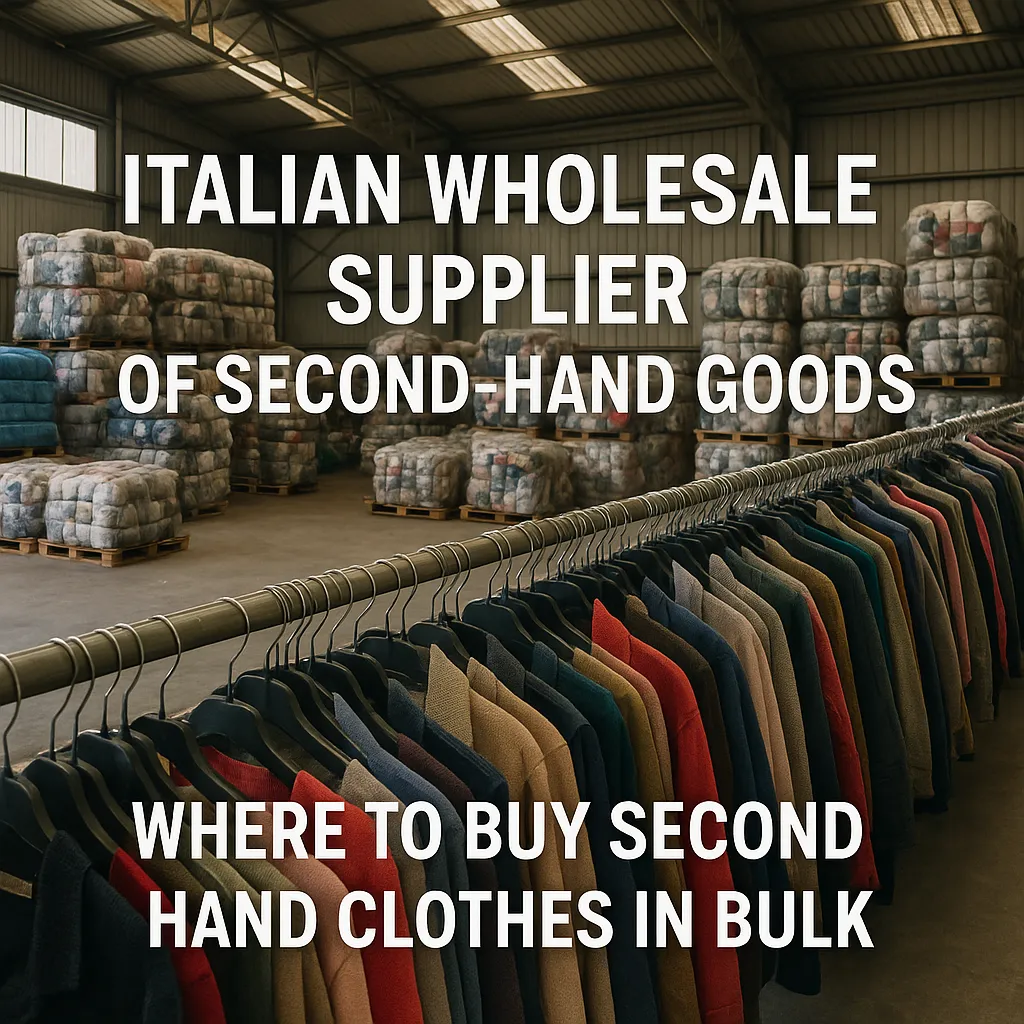
Wholesale suppliers remain one of the most reliable sources for bulk second hand clothing. These suppliers often acquire large quantities of used clothing from donations, estate sales, and retail returns, which they then sort and sell at a fraction of the retail price. When selecting a wholesale supplier, it’s crucial to consider the quality of the clothing, the variety of items offered, and the pricing structure. Some suppliers specialize in specific types of clothing, like vintage apparel or designer brands, while others provide a broader selection. Establishing a good relationship with these suppliers can lead to better deals and exclusive access to unique inventory. It’s also beneficial to visit the supplier in person, if possible, to assess the clothing quality firsthand and understand their sorting processes. Many wholesalers may have minimum order quantities, so be prepared to commit to a larger purchase upfront to secure the best prices.
Online Marketplaces for Bulk Second Hand Clothing
Online platforms have emerged as a convenient alternative for those looking to buy second hand clothes in bulk. Websites such as eBay, Depop, and Poshmark allow users to purchase clothing in larger quantities, often at discounted rates. Additionally, these platforms provide various filters to find specific styles, sizes, or brands. However, it’s essential to conduct thorough research and read seller reviews to ensure a reputable purchasing experience. Many sellers may offer bulk lots of clothing, which can be an efficient way to stock up on inventory for resale or personal use. It’s also advisable to compare prices across multiple platforms to find the best deals. When buying online, consider the shipping costs and return policies, as these can significantly impact the overall value of your purchase. Some sellers might offer free shipping for bulk orders, making it an even more attractive option.
Charity Organizations and Nonprofits
Purchasing second hand clothes in bulk from charity organizations can be a socially responsible choice. Many nonprofits, such as Goodwill and Salvation Army, often have bulk sales or partnerships that allow individuals and businesses to acquire clothing at low costs while supporting a good cause. These organizations frequently receive large donations of clothing and may have surplus items that they sell at discounted rates. By buying from these organizations, you not only help fund their charitable missions but also contribute to reducing textile waste. It's advisable to reach out directly to local branches to inquire about bulk purchasing options, as not all locations may advertise this service. Additionally, many charities offer the opportunity to pick up unsold items from their thrift stores, providing a chance to find unique pieces that might not be available in standard retail environments.
Considerations When Buying Second Hand Clothes in Bulk
While buying second hand clothes in bulk is an excellent way to save money and promote sustainability, there are several factors to consider before making a purchase. First, assess the condition of the clothing. Ensure that the items are in good condition and meet your standards for resale or personal use. It’s also vital to understand your target market if you’re planning to resell the clothing. Identifying trends and consumer preferences can help you choose the right inventory that will sell quickly. Additionally, consider the storage space you have available for bulk purchases. Buying in large quantities means you’ll need adequate space to sort and store the clothing until you’re ready to sell or use it. Lastly, always factor in shipping costs, taxes, and potential alterations when calculating the overall expense of your bulk purchase. These considerations will help ensure that your investment in second hand clothing is both economically viable and beneficial.
Building Relationships with Suppliers
Building solid relationships with suppliers is crucial when sourcing second hand clothing in bulk. Establishing trust can lead to better deals, priority access to new inventory, and a reliable supply chain for your business. Regular communication is key; keep suppliers updated on your needs and preferences, and don’t hesitate to provide feedback on the clothing quality. Many suppliers appreciate long-term relationships and may offer flexible payment terms or discounts for repeat customers. Networking at industry events or trade shows can also open doors to new supplier relationships, providing opportunities to connect with other businesses and share insights. Additionally, consider joining online forums or social media groups focused on second hand clothing to learn from others in the industry and discover new suppliers. By fostering these relationships, you can enhance your ability to purchase quality second hand clothing in bulk consistently.
Conclusion: Making the Right Choice
Knowing where to buy second hand clothes in bulk opens up numerous opportunities for both personal and business use. Whether you choose to work with wholesale suppliers, explore online marketplaces, or support charitable organizations, each option offers unique benefits. It's essential to consider the quality of clothing, your target audience, and your storage capabilities when making bulk purchases. Ultimately, the right choice will depend on your specific needs and goals. As the demand for sustainable fashion continues to grow, embracing second hand clothing not only supports eco-friendly practices but also allows you to discover unique pieces that tell a story. Start your journey today by exploring various options to find the best bulk second hand clothing for your needs.
| Supplier Type | Pros | Cons |
|---|---|---|
| Wholesale Suppliers | Lower prices, variety | Minimum orders required |
| Online Marketplaces | Convenience, choice | Shipping costs, seller reliability |
| Charity Organizations | Support good causes, unique finds | Limited availability |
| Local Thrift Stores | In-person selection, immediate purchase | Higher prices than bulk deals |
| Private Sellers | Potential for unique items | Less consistency in quality |
FAQ
Where to buy second hand clothes in bulk?
You can buy second hand clothes in bulk from various sources, including wholesale suppliers, online marketplaces, and charity organizations. Wholesale suppliers often offer a wide range of clothing at discounted rates, while online platforms like eBay and Poshmark provide convenience and variety. Charity organizations may have bulk sales that support their missions. It's essential to evaluate each option's quality, pricing, and reliability before making a purchase.
What are the benefits of buying second hand clothes in bulk?
Buying second hand clothes in bulk offers numerous benefits, including cost savings, sustainability, and unique inventory options. Bulk purchases typically come at lower prices compared to retail, allowing you to maximize profit margins if reselling. Additionally, purchasing second hand clothing contributes to reducing textile waste, promoting eco-friendly practices. Finally, bulk buying often leads to discovering unique pieces that may not be available in traditional retail environments.
How can I ensure the quality of bulk second hand clothing?
To ensure the quality of bulk second hand clothing, it's crucial to work with reputable suppliers and conduct thorough inspections. When purchasing from wholesalers, inquire about their sorting processes and quality control measures. If buying online, carefully read descriptions and reviews from previous buyers. Visiting local thrift stores or charity organizations can also give you a firsthand look at the clothing before committing to a bulk purchase.
Are there any risks associated with buying second hand clothes in bulk?
Yes, there are risks associated with buying second hand clothes in bulk. These can include receiving poor-quality items, not being able to resell certain pieces, and potential issues with sizing or styles that do not match your target market. Additionally, there may be hidden costs, such as shipping fees or alterations. It's essential to do your research and establish a clear understanding of what you’re purchasing to mitigate these risks effectively.
How do I find reliable suppliers for bulk second hand clothing?
Finding reliable suppliers for bulk second hand clothing requires research and networking. Start by exploring online directories, attending trade shows, or joining industry-specific forums. Look for suppliers with positive reviews and a solid reputation. Additionally, reaching out to local thrift stores or charity organizations can lead to valuable connections. Building relationships with suppliers can also enhance your purchasing experience and provide access to exclusive deals.
Can I negotiate prices when buying second hand clothes in bulk?
Yes, negotiating prices when buying second hand clothes in bulk is often possible, especially with wholesale suppliers and private sellers. Establishing a good rapport can lead to more flexible pricing, especially for repeat customers. Be prepared to discuss minimum order quantities and express your willingness to commit to larger purchases, as this can strengthen your negotiating position and potentially yield better deals.