Where to Buy Second Hand Clothes in Bulk
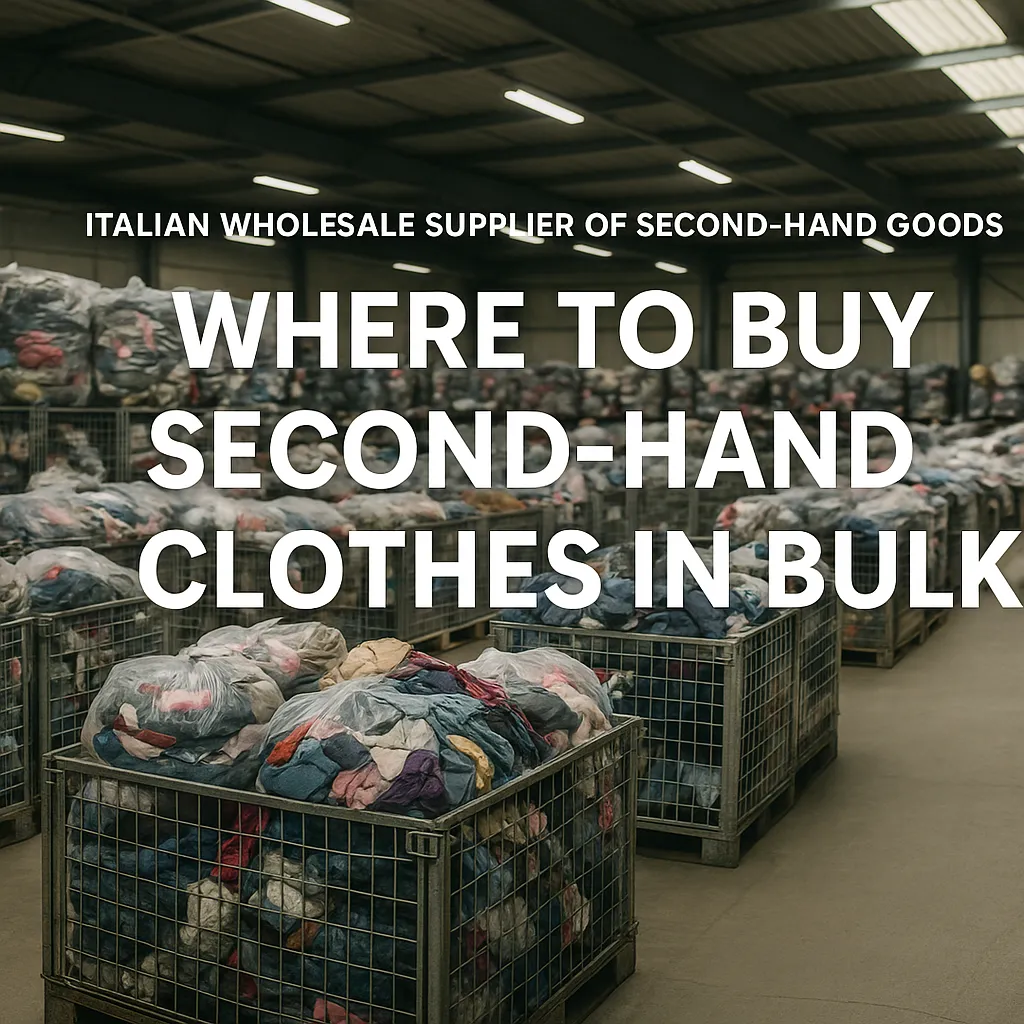
Finding the right sources for where to buy second hand clothes in bulk can elevate your business or personal collection while promoting sustainability. The demand for second-hand clothing has surged in recent years, driven by an increasing awareness of environmental issues and a desire for unique fashion pieces. Bulk purchases not only provide cost savings but also allow for a diverse range of styles and sizes. As you embark on this journey, it's essential to know where to look for quality second-hand clothes that meet your needs, whether for resale or personal use. This guide outlines various options and considerations for sourcing second-hand garments in bulk effectively.
Understanding the Second-Hand Clothing Market
The second-hand clothing market has transformed dramatically over the past decade, becoming a vital part of the global fashion industry. Many retailers are now turning to second-hand clothing as a means to offer unique products while reducing waste. Understanding market trends and consumer preferences is crucial when considering where to buy second hand clothes in bulk. This market not only supports eco-friendly practices but also caters to budget-conscious shoppers looking for quality apparel. From thrift stores to online platforms, the avenues for sourcing second-hand clothes are diverse. Thrift stores often provide a local touch and community connection, while online marketplaces can offer extensive inventories and competitive prices. Exploring various sources will help you find the best deals and most desirable clothing items.
Thrift Stores and Local Retailers
Thrift stores and local retailers are excellent starting points for purchasing second-hand clothes in bulk. These shops often have a rotating inventory of donated items, which can include everything from vintage clothing to contemporary styles. Establishing relationships with local store owners can lead to bulk purchasing opportunities and potential discounts. Many thrift stores are open to negotiating prices for bulk purchases, especially if you are a frequent shopper or a business owner. Additionally, some stores have special events or sales that focus on bulk sales, which can be a great time to stock up on inventory. Don’t overlook the power of community; local clothing drives or consignment shops may also offer bulk buying options, especially if they are clearing out stock or preparing for seasonal changes.
Online Marketplaces and Wholesale Options
Online marketplaces provide an expansive view of where to buy second hand clothes in bulk. Websites like eBay, Poshmark, and Depop allow sellers to list large quantities of clothing, offering buyers the chance to purchase in bulk at competitive prices. Wholesale suppliers also specialize in bulk sales, often providing pallets of assorted clothing items that can be resold for profit. When using online platforms, always check seller ratings and reviews to ensure quality and authenticity. Additionally, many online wholesalers cater to specific niches, such as vintage clothing or designer items, allowing you to tailor your selection based on your target market. Always compare prices across different platforms to find the best deals, as prices can vary widely from one seller to another.
Factors to Consider When Buying in Bulk
When considering where to buy second hand clothes in bulk, several factors come into play. First, assess the quality of the items you plan to purchase. Inspecting clothes for stains, damages, and overall condition is vital; items that require excessive repairs can quickly diminish your profit margins. Additionally, understanding your target market is key. Are you catering to a younger demographic looking for trendy pieces, or are you focusing on classic styles? This knowledge will guide your purchasing decisions and help ensure that you buy clothes that will sell. Furthermore, consider the logistics of storage and transportation. Bulk purchases require adequate space for inventory and a plan for distribution, whether you plan to sell online or in a physical store.
Sustainability and Ethical Sourcing
Sustainability is at the core of the second-hand clothing movement. When you decide where to buy second hand clothes in bulk, consider the environmental impact of your choices. Sourcing from ethical suppliers who prioritize sustainability can enhance your brand image and attract like-minded customers. Look for businesses that promote fair labor practices and environmentally friendly operations. Additionally, engaging with local charities or organizations that focus on clothing donations can provide a dual benefit: you acquire bulk inventory while supporting a good cause. This approach not only benefits your business but also contributes to a more sustainable and ethical fashion industry.
Marketing Your Second-Hand Purchases
Once you secure your bulk inventory, effectively marketing your second-hand clothing is crucial to your success. Utilize social media platforms to showcase unique pieces and reach a broader audience. High-quality images and engaging content can help convey the story behind each item, creating a connection with potential buyers. Consider hosting pop-up shops or participating in local markets to increase exposure. Collaborating with influencers who share your values can also amplify your reach. Remember to highlight the benefits of buying second-hand, such as affordability and sustainability, to resonate with conscious consumers. Your marketing strategy should reflect the unique value proposition of your second-hand clothing to truly stand out in a competitive market.
Building Relationships with Suppliers
Establishing strong relationships with suppliers is essential when exploring where to buy second hand clothes in bulk. Frequent communication and a clear understanding of your needs can lead to better deals and exclusive access to new inventory. Attend trade shows or industry events where you can meet suppliers and learn more about their offerings. Networking can also provide insights into upcoming trends, ensuring you stay ahead of the competition. Consider joining online forums or groups dedicated to second-hand clothing and sustainable fashion, as these communities often share valuable information about reliable suppliers. By fostering these relationships, you can create a steady flow of quality second-hand clothing for your business.
Evaluating Your Inventory
After acquiring second-hand clothing in bulk, regularly evaluating your inventory is crucial. Track which items sell quickly and which ones linger on the shelves. This data will inform your future purchasing decisions and help you adjust your inventory strategy. Pay attention to seasonal trends; certain styles may be more popular during specific times of the year. By understanding your sales patterns, you can refine your bulk purchasing approach to better align with market demands. Additionally, consider implementing a system for inventory management to streamline the process and minimize losses due to overstock or unsold items. A proactive approach to inventory evaluation will enhance your efficiency and profitability in the second-hand clothing market.
FAQ
Where to buy second hand clothes in bulk?
When looking for where to buy second hand clothes in bulk, consider various sources such as thrift stores, online marketplaces, and wholesale suppliers. Thrift stores often offer unique finds and may have bulk purchasing options for frequent buyers. Online platforms like eBay and Poshmark allow you to purchase large quantities directly from sellers, while wholesale suppliers specialize in bulk sales of assorted clothing items. Always compare prices and check the quality of garments to ensure you make informed purchasing decisions.
What are the best online platforms for bulk second-hand clothing?
The best online platforms for bulk second-hand clothing include eBay, Poshmark, and Depop. These platforms allow sellers to list multiple items at once, offering buyers the opportunity to purchase in bulk. Additionally, consider wholesale suppliers like ThredUp or secondary market sites that focus on bulk sales. Each platform has its unique offerings, so exploring various options can help you find the best deals for your specific needs.
How can I ensure the quality of second-hand clothes?
To ensure the quality of second-hand clothes, examine items closely for any signs of wear, stains, or damage before purchasing. If buying online, check seller ratings and reviews to gauge the quality of the clothing. Additionally, consider asking for detailed photographs of the items if they are not clearly shown. Building relationships with trusted suppliers can also help you ensure that you consistently receive high-quality products.
Are there any ethical considerations when buying second-hand clothes?
Yes, ethical considerations are essential when buying second-hand clothes. It's crucial to source from suppliers who prioritize fair labor practices and environmentally friendly operations. Supporting local charities or organizations that focus on clothing donations can also be a more ethical approach. By engaging with suppliers committed to sustainability, you can positively impact the fashion industry while growing your business.
How can I market my second-hand clothing effectively?
To market your second-hand clothing effectively, utilize social media platforms to showcase your inventory and connect with potential customers. High-quality images, engaging content, and storytelling can create a strong connection to your products. Hosting pop-up shops or participating in local markets can also increase visibility. Collaborating with influencers who share your values can help reach a wider audience and boost your brand's presence in the second-hand clothing market.
What should I do with unsold inventory?
If you have unsold inventory, consider offering discounts or promotions to encourage sales. You can also donate items to local charities, which can be a great way to give back to the community while clearing out excess stock. Another option is to repurpose or upcycle unsold clothing into new products, which can attract attention and generate interest in your brand. Regularly analyzing your sales data will help you adjust your purchasing strategy to minimize future unsold inventory.
For more insights and options about sourcing second-hand clothing, explore our products page or check our social mission to learn how we support sustainability. If you have any questions, feel free to contact us.
Disclaimer: This article is for informational purposes only and does not constitute professional advice.