Used Clothes Wholesale Europe: A Sustainable Fashion Choice
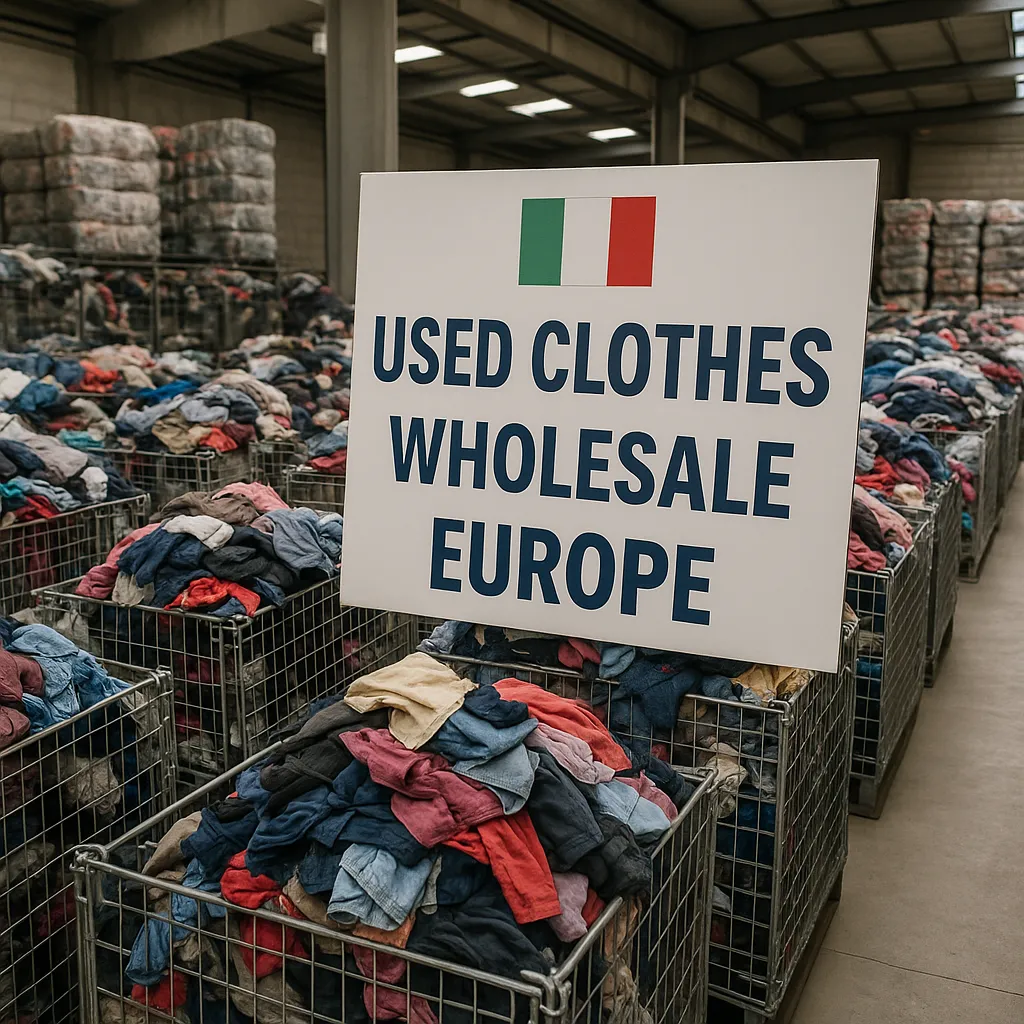
The market for used clothes wholesale Europe is rapidly growing, driven by increasing awareness of sustainability and the circular economy. As consumers and companies alike seek to reduce waste and the environmental impact of textile production, the demand for second-hand clothing is surging. This trend is not only beneficial for the planet but also opens up lucrative opportunities for businesses. In Europe, various wholesalers specialize in sourcing high-quality used garments that cater to diverse market needs. These wholesalers provide a wide range of products, from vintage pieces to contemporary fashion, allowing retailers to offer unique selections that appeal to eco-conscious consumers. By tapping into the used clothing market, businesses can not only reduce their carbon footprint but also contribute to a more sustainable retail ecosystem.
Understanding the Used Clothes Wholesale Market in Europe
The used clothes wholesale market in Europe operates on several key principles that distinguish it from traditional retail models. One major aspect is the emphasis on sourcing products ethically and sustainably. Many wholesalers focus on acquiring clothing directly from charitable organizations or recycling programs, ensuring that the garments are not only of high quality but also come from responsible sources. This approach not only helps in diverting textiles from landfills but also supports communities by providing them with funding through donations. Moreover, the market is characterized by its diverse offerings; from bulk sales of specific types of clothing to curated selections that cater to niche markets, wholesalers are increasingly adapting to meet the varying demands of retailers. The advantages of buying used clothes in bulk also extend to cost-effectiveness, as retailers can purchase high-quality garments at a fraction of the price of new items, significantly improving their profit margins.
Benefits of Sourcing Used Clothes Wholesale in Europe
Choosing to source used clothes wholesale in Europe presents numerous benefits that extend beyond just economic advantages. For retailers, one of the primary benefits is the ability to offer unique products that stand out in a saturated market. With a wide array of styles and brands available through wholesale suppliers, retailers can curate collections that attract environmentally conscious consumers looking for one-of-a-kind pieces. Additionally, by engaging in the resale market, businesses contribute to the reduction of textile waste, aligning themselves with the growing movement toward sustainable fashion. This alignment not only enhances a brand's reputation but also appeals to a loyal customer base that prioritizes ethical consumption. Furthermore, sourcing used clothing can foster community ties, as many wholesalers operate locally and contribute to the economic development of their regions. This local engagement allows retailers to connect more deeply with their customers and promote a sense of community around sustainable practices.
Key Players in the Used Clothes Wholesale Market
The used clothes wholesale market in Europe is populated by a range of players, from large established companies to smaller niche businesses. Major wholesalers often have extensive networks that allow them to source large quantities of clothing, enabling them to meet the demands of larger retailers. On the other hand, boutique wholesalers may focus on specific styles, vintage items, or eco-friendly brands, catering to a different segment of the market. Each type of wholesaler plays a crucial role in the ecosystem, ensuring that various needs are met. Additionally, many players are starting to embrace technology, utilizing online platforms and apps to connect with retailers, streamline the purchasing process, and offer virtual catalogs. These innovations are making it easier for retailers to access a diverse inventory of used clothing and make informed purchasing decisions tailored to their target audiences.
Challenges in the Used Clothes Wholesale Market
While the used clothes wholesale market in Europe presents exciting opportunities, it is not without its challenges. One of the most significant hurdles faced by wholesalers is the inconsistency in product quality. Unlike new clothing, second-hand items can vary greatly in condition, making it essential for wholesalers to implement rigorous quality control measures. This variability can impact retailer relationships if not managed properly. Another challenge is the need for clear labeling and transparency regarding the sourcing of used clothes. As consumers become more discerning, they are increasingly demanding information about the origins of their clothing. Wholesalers must ensure that they provide adequate documentation and transparency to build trust with both retailers and end consumers. Additionally, competition within the market is heating up, with more players entering the space. This competition can drive prices down, making it imperative for businesses to find innovative ways to differentiate themselves and offer value that resonates with customers.
How to Find Reliable Wholesale Suppliers in Europe
Finding reliable wholesale suppliers for used clothes in Europe can be a daunting task, but several strategies can streamline the process. First and foremost, it is crucial to conduct thorough research, utilizing online platforms and directories that specialize in wholesale suppliers. Attending trade shows and industry events can also provide valuable networking opportunities and first-hand insights into the market landscape. Establishing relationships with suppliers is essential; this can be achieved through direct communication, asking for samples, and clearly discussing terms and conditions. When selecting a supplier, it is important to assess their reputation by seeking reviews and testimonials from other retailers. Furthermore, consider suppliers who emphasize sustainability and ethical sourcing, as this aligns with the values of many consumers today. By taking these steps, retailers can ensure that they partner with trustworthy suppliers who offer quality products and support sustainable practices in the fashion industry.
Success Stories: Retailers Thriving with Used Clothes
Numerous retailers have successfully tapped into the used clothes wholesale market in Europe, showcasing the potential for growth and profitability in this sector. For instance, many small boutique stores have built their brands around curated selections of vintage clothing, attracting a loyal customer base that appreciates the uniqueness and sustainability of their products. These retailers often share their stories on social media, highlighting their commitment to reducing waste and promoting ethical fashion. Additionally, larger retailers are beginning to incorporate second-hand sections into their offerings, signaling a shift in consumer preferences. By featuring used clothing alongside new items, these businesses are not only catering to a broader audience but are also fostering a culture of sustainability within the mainstream fashion market. Such success stories serve as inspiration for new entrants in the wholesale market, demonstrating that with the right approach, it is possible to thrive while prioritizing environmental stewardship.
FAQ
What is used clothes wholesale Europe?
Used clothes wholesale Europe refers to the market segment that specializes in the bulk distribution of second-hand clothing across European countries. Companies in this sector acquire clothing from various sources, such as charities, textile recycling programs, and donations, and then sell these garments to retailers at wholesale prices. This approach not only helps in reducing textile waste but also allows retailers to offer affordable, unique fashion choices to their customers. The market is characterized by its diverse offerings, ranging from vintage pieces to contemporary styles, catering to the growing demand for sustainable fashion options.
How can I start a business in used clothes wholesale?
Starting a business in used clothes wholesale involves several key steps. First, you'll need to conduct market research to identify your target audience and understand their preferences. Next, establish relationships with reliable suppliers who can provide high-quality used clothing. Consider the logistics of acquiring, storing, and distributing your inventory. Creating an online presence through a website or social media can help you reach potential customers effectively. Additionally, ensure that you comply with any regulations regarding the resale of second-hand goods in your region. By focusing on quality and ethical sourcing, you can build a reputable business in the used clothes wholesale market.
What are the benefits of buying used clothes?
Buying used clothes offers numerous benefits, both for consumers and the environment. For consumers, used clothing is often more affordable than new items, allowing them to access unique pieces without breaking the bank. Environmentally, purchasing second-hand helps reduce textile waste, conserves resources, and minimizes the carbon footprint associated with clothing production. Additionally, buying used clothes supports the circular economy, promoting sustainable practices in the fashion industry. Many consumers appreciate the individuality of second-hand clothing, as it allows them to express their personal style in a way that mass-produced items cannot. Overall, the benefits of buying used clothes align well with the growing trend towards ethical consumerism.
Where can I find used clothes wholesale suppliers in Europe?
Finding used clothes wholesale suppliers in Europe can be accomplished through several avenues. Online marketplaces and directories specifically focused on wholesale suppliers are excellent starting points. Attending trade shows, fashion expos, and industry events can provide opportunities to meet suppliers face-to-face and assess their offerings. Local thrift stores and charitable organizations may also have connections to wholesalers and can provide insights. Building relationships with suppliers through networking and direct outreach is essential for establishing a reliable supply chain. It's important to evaluate suppliers based on their reputation, quality of clothing, and transparency in sourcing practices.
What trends are shaping the used clothing market?
The used clothing market is shaped by several emerging trends, particularly the increasing consumer focus on sustainability and ethical fashion. The rise of online resale platforms has made it easier for consumers to buy and sell second-hand clothing, creating a vibrant marketplace for unique finds. Additionally, many retailers are incorporating used clothing into their offerings, reflecting a shift in consumer preferences towards sustainable options. The vintage trend continues to gain momentum, with consumers valuing the history and individuality of second-hand items. Furthermore, the integration of technology, such as apps for sourcing and selling used clothing, is transforming how businesses operate in this sector. Together, these trends are driving the growth of the used clothing market in Europe.
To learn more about our offerings, visit our products page. You can also check out our social mission for insights on how we contribute to sustainability. Connect with us for more information on how you can engage in the used clothing market.
Disclaimer: The content provided in this article is for informational purposes only and does not constitute professional advice. Always perform due diligence when engaging in business activities.