Unlocking Opportunities with Second Hand Clothes for Wholesale
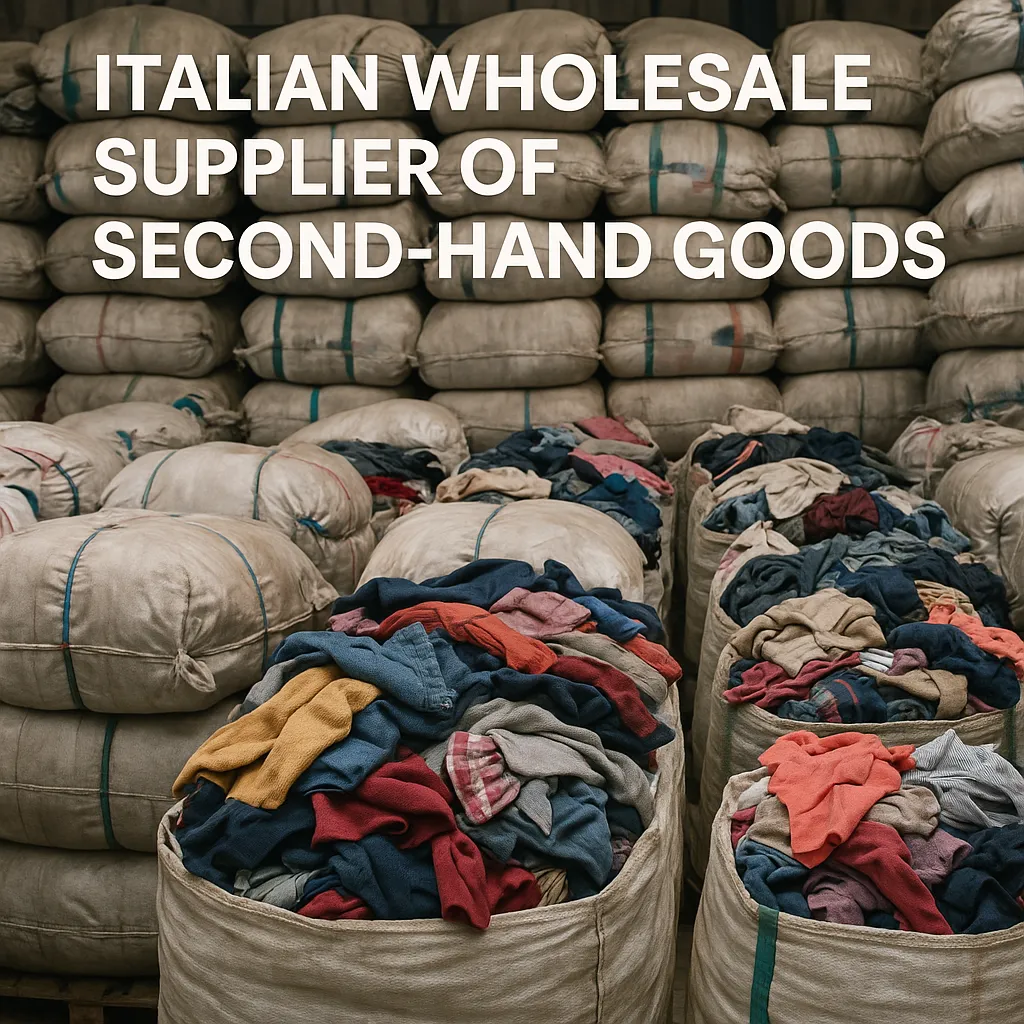
Second hand clothes for wholesale are becoming increasingly popular among business owners looking to diversify their inventory and appeal to eco-conscious consumers. By sourcing second hand clothing, businesses can not only offer unique fashion choices but also contribute to sustainable practices that resonate with today’s market. As the demand for sustainable fashion continues to grow, retailers and entrepreneurs are turning to wholesale suppliers of second hand clothing to meet consumer expectations while maintaining profitability. This article explores the advantages of integrating second hand clothes into your wholesale operations, providing insights on how to effectively source, market, and sell these garments.
The Benefits of Sourcing Second Hand Clothes
Integrating second hand clothes into your wholesale business model presents numerous advantages that can elevate your brand. First and foremost, these garments are often available at a fraction of the cost compared to new clothing, allowing for a higher profit margin. Additionally, sourcing second hand clothing aligns with growing consumer preferences for sustainable and ethical shopping options. As awareness regarding the environmental impacts of fast fashion spreads, consumers are increasingly seeking alternatives that contribute to sustainability. By offering second hand clothes for wholesale, you not only appeal to this demographic but also position your business as a conscientious entity within the marketplace. Furthermore, the uniqueness of second hand items can set your inventory apart from competitors, giving customers the chance to find one-of-a-kind pieces that reflect their individuality. This element of exclusivity can drive more traffic to your store and increase customer loyalty. Lastly, embracing second hand clothing can enhance your brand's story, showcasing your commitment to reducing waste and promoting circular fashion.
Understanding Your Target Market
Identifying and understanding your target market is crucial when venturing into the wholesale second hand clothing sector. Different demographics have varying preferences and motivations for purchasing second hand items. Younger consumers, particularly millennials and Gen Z, tend to be more environmentally conscious and are often more inclined to choose sustainable fashion options. They appreciate the stories behind second hand garments and value brands that prioritize ethical practices. On the other hand, budget-conscious shoppers may be drawn to second hand clothes for wholesale because they offer high-quality items at accessible prices. It’s essential to tailor your marketing strategies and product offerings to resonate with these diverse audiences. Conduct market research to gather insights on consumer preferences, shopping behaviors, and emerging trends in the second hand clothing space. This information will allow you to curate your inventory to meet the specific needs of your target market effectively.
Finding Reliable Suppliers
The success of your wholesale business largely depends on the reliability of your suppliers. When sourcing second hand clothes for wholesale, prioritize partnerships with suppliers who are reputable and committed to quality. Research potential suppliers thoroughly by checking reviews, requesting samples, and understanding their sourcing processes. It's also beneficial to establish clear communication channels, ensuring that you can discuss your needs and expectations effectively. Engage with suppliers who can provide a consistent supply of diverse products, as this variety can appeal to a broader customer base. Additionally, consider the sustainability practices of your suppliers; those who prioritize ethical sourcing and environmentally friendly processes will align better with your brand’s values and appeal to conscious consumers. Building lasting relationships with suppliers can lead to better pricing, exclusive offerings, and reliable inventory flow, all of which are crucial for the success of your wholesale venture.
Marketing Strategies for Second Hand Clothes
Once you have sourced your second hand clothes for wholesale, implementing effective marketing strategies becomes essential for driving sales. Begin by creating an engaging online presence through social media platforms where your target audience spends their time. Use visually appealing content to showcase your unique garments, emphasizing their quality and sustainability. Consider collaborating with influencers who align with your brand's values to reach a wider audience and build credibility. Additionally, optimize your website for search engines by incorporating relevant keywords, including “second hand clothes for wholesale,” to attract organic traffic. Creating engaging blog content around sustainable fashion, styling tips, and the benefits of second hand clothing can further establish your authority in this niche. Moreover, consider hosting events or pop-up shops that allow customers to experience your clothing in person. This hands-on approach can foster community engagement and create memorable connections with your brand.
Building a Community Around Your Brand
Building a community around your brand is a crucial aspect of marketing second hand clothes for wholesale. Engage with your customers by fostering open communication and encouraging feedback. Utilize social media to create a dialogue with your audience, asking for their opinions on styles, trends, and their experiences with second hand shopping. Consider creating loyalty programs that reward repeat customers, which not only incentivizes purchases but also cultivates a sense of belonging. Highlight customer stories and testimonials on your platforms, showcasing how your products fit into their lives. By creating an inclusive atmosphere, you’ll encourage customers to share their experiences, further promoting your brand through word-of-mouth. Hosting workshops or educational events on sustainable fashion can also position your brand as a thought leader while drawing in a community of like-minded individuals who are passionate about eco-friendly practices. Ultimately, a strong community fosters trust and loyalty, two essential components for long-term business success.
Tracking Your Success and Adjusting Strategies
Regularly tracking your success and adjusting your strategies is vital for the sustainability of your wholesale business. Utilize analytics tools to monitor sales data, website traffic, and customer engagement metrics. By analyzing this information, you can identify which products are performing well and which marketing campaigns resonate with your audience. This data-driven approach allows you to make informed decisions regarding inventory management, pricing strategies, and promotional efforts. Additionally, be open to feedback from your customers; they can provide valuable insights that may lead to improvements in your offerings. Experiment with different marketing tactics, such as seasonal promotions or collaborations, to keep your approach fresh and appealing. Flexibility and adaptability are key to navigating the ever-changing landscape of wholesale second hand clothing, ensuring that your business remains relevant and competitive in the market.
Conclusion
In conclusion, embracing second hand clothes for wholesale not only provides a profitable business opportunity but also aligns with a growing movement towards sustainable fashion. By understanding your target market, sourcing from reliable suppliers, implementing effective marketing strategies, and building a community around your brand, you can create a thriving wholesale business that stands out in the marketplace. As consumers increasingly seek eco-friendly options, integrating second hand clothing into your inventory presents a unique chance to meet this demand while contributing positively to the environment. With a strategic approach and a commitment to quality and sustainability, your wholesale business can thrive in this dynamic industry.
CTA: Ready to Explore Second Hand Clothes for Wholesale?
If you’re interested in sourcing quality second hand clothes for your wholesale business, visit our products page today. Join us in making a positive impact through sustainable fashion!
FAQ
What are second hand clothes for wholesale?
Second hand clothes for wholesale refer to pre-owned garments that are sold in bulk to retailers or businesses at discounted prices. This approach allows businesses to offer unique and sustainable fashion options to their customers while benefiting from lower procurement costs. By sourcing second hand clothing, businesses can curate diverse inventories that appeal to eco-conscious consumers and contribute to reducing textile waste.
Where can I find second hand clothes for wholesale?
Finding reliable suppliers of second hand clothes for wholesale can be achieved through various channels. Consider exploring local thrift stores, consignment shops, and online marketplaces specializing in bulk sales of second hand items. Additionally, attending trade shows or industry events focused on sustainable fashion can connect you with reputable wholesalers. Research and vet suppliers thoroughly to ensure quality and consistency in your inventory.
How do I market second hand clothes effectively?
Marketing second hand clothes effectively involves understanding your audience and leveraging various platforms to engage them. Use social media to showcase unique pieces, create engaging content, and collaborate with influencers who resonate with your brand. Implement SEO strategies on your website, including keywords like “second hand clothes for wholesale,” to attract organic traffic. Hosting events or workshops can also enhance community engagement and promote your brand.
What are the benefits of selling second hand clothing?
Selling second hand clothing offers numerous benefits, including lower procurement costs, unique inventory, and alignment with sustainable practices. This approach caters to eco-conscious consumers who prefer sustainable shopping options, thereby increasing your customer base. Additionally, the exclusivity of second hand items can create a competitive edge, allowing your brand to stand out in a crowded marketplace.
How can I ensure quality in second hand clothing?
To ensure quality in second hand clothing, it is essential to establish strong relationships with your suppliers and conduct thorough quality checks on incoming inventory. Request samples before committing to larger orders, and develop clear criteria for the condition and cleanliness of garments. Regularly inspect your stock to maintain quality standards and enhance customer satisfaction, as this is crucial for building trust and loyalty.
Is there a demand for second hand clothes?
Yes, there is a growing demand for second hand clothes, driven by increasing consumer awareness of sustainable fashion and the desire to reduce environmental impact. Many consumers are shifting away from fast fashion and actively seeking unique, affordable, and eco-friendly clothing options. By incorporating second hand clothes into your inventory, you can tap into this expanding market and attract a diverse range of customers.
Disclaimer: The information provided in this article is for educational purposes only and should not be considered professional advice. Always conduct your own research and consult with a professional before making business decisions.