Understanding Used Clothes Wholesale Europe
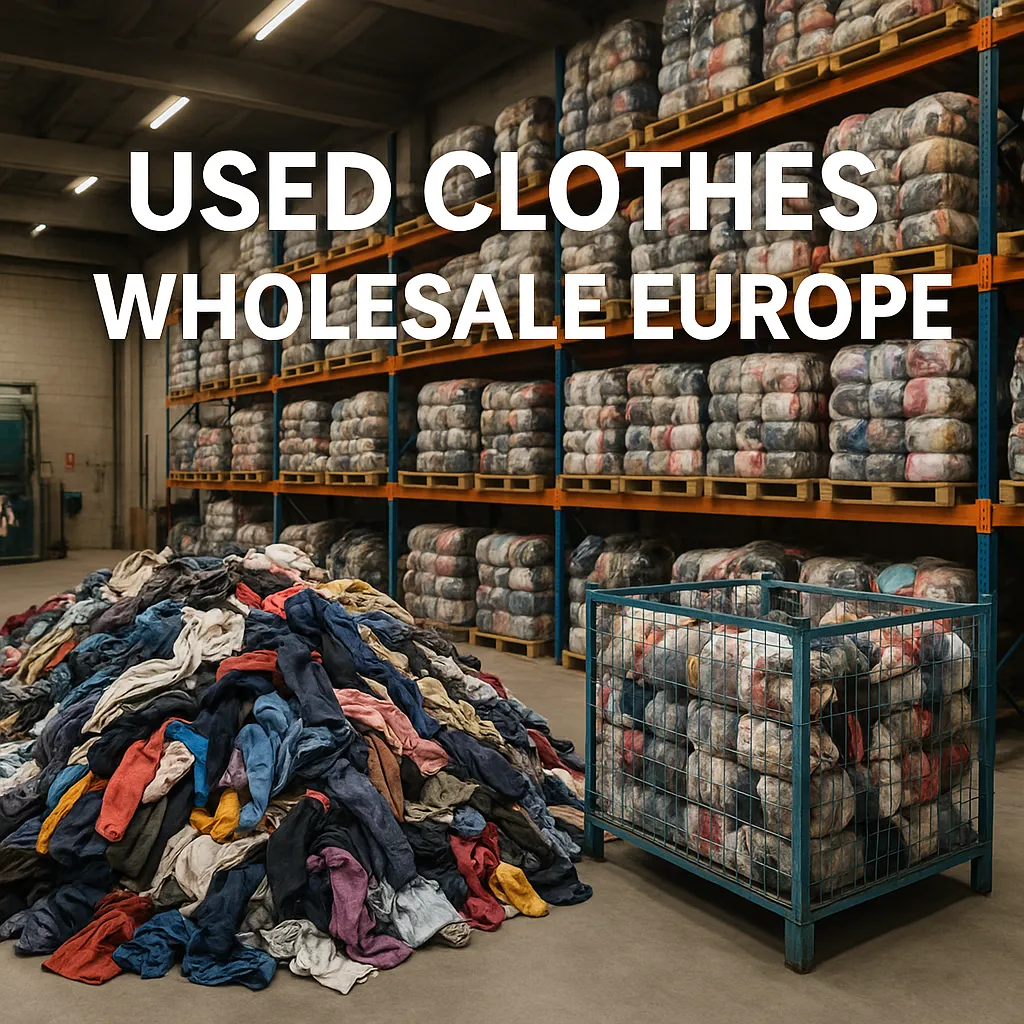
The used clothes wholesale market in Europe has gained significant traction over the past few years. As sustainability becomes increasingly important for consumers, the demand for second-hand clothing has surged. This trend is not just a passing phase; it reflects a deeper shift in consumer behavior towards eco-friendly practices. Retailers and businesses are now looking to supply chains that can provide quality used garments at competitive prices. The European market is particularly robust, offering a plethora of options for sourcing these items. Additionally, with an increasing number of recycling initiatives, the landscape of used clothes wholesale in Europe is evolving rapidly, making it an exciting space for entrepreneurs and established businesses alike.
Market Dynamics of Used Clothes Wholesale in Europe
The dynamics of the used clothes wholesale market in Europe are influenced by various factors including consumer preferences, economic conditions, and environmental policies. As consumers become more environmentally conscious, there is a notable shift towards purchasing used clothing, which is often perceived as a more sustainable choice compared to fast fashion. Economic downturns also play a role; during challenging times, consumers tend to gravitate towards more affordable options. This has resulted in a flourishing market for used clothes, where wholesalers can capitalize on the dual benefits of cost savings for consumers and sustainability for the planet. Moreover, European regulations that encourage recycling and waste reduction further bolster the market, creating a favorable environment for entrepreneurs and existing businesses to thrive in the realm of used clothes wholesale in Europe.
Sourcing Quality Used Clothing
Sourcing quality used clothing is critical for success in the wholesale market. Wholesalers often collaborate with charities, thrift stores, and recycling organizations to acquire high-quality garments. This ensures that they are not only providing value to their customers but also contributing positively to the community and the environment. Moreover, wholesalers need to establish strong relationships with suppliers to ensure a consistent flow of inventory. This involves negotiating terms, understanding the quality of items offered, and sometimes even traveling to source directly from various regions. In Europe, specific countries are known for their rich textile history and the availability of high-quality second-hand clothing, making them ideal sourcing destinations for wholesale businesses.
Challenges in the Wholesale Market
Despite the growing demand for used clothes, wholesalers face several challenges in the market. One of the primary concerns is the variability in quality. Since used clothing comes from various sources, maintaining consistent quality can be difficult. Additionally, the logistics of transporting and storing these garments can pose significant challenges, particularly for small businesses without established supply chains. Regulatory compliance also plays a major role; wholesalers must navigate various laws and regulations regarding the sale of second-hand goods in different European countries, which can be complex and time-consuming. Finally, competition is another hurdle, as more players enter the market, making it essential for wholesalers to differentiate themselves through branding, quality, and customer service.
The Role of Sustainability in the Wholesale Market
Sustainability is not just a buzzword; it is a guiding principle for many businesses in the used clothes wholesale market in Europe. As consumers become more aware of environmental issues, they are increasingly seeking brands that prioritize sustainability. This has led wholesalers to adopt more eco-friendly practices, such as reducing waste in packaging, sourcing from sustainable suppliers, and promoting the idea of circular fashion. By emphasizing these practices, wholesalers can attract conscientious consumers who are willing to support businesses that align with their values. Additionally, companies that engage in sustainability initiatives often find that they can command higher prices for their goods, as consumers are willing to pay a premium for products that are not only stylish but also environmentally responsible.
Building a Successful Wholesale Business
Building a successful used clothes wholesale business requires a multifaceted approach. First and foremost, having a clear business model is essential. This includes identifying target markets, understanding consumer needs, and developing a unique selling proposition that distinguishes the brand from competitors. Marketing strategies should also be robust; utilizing social media, influencer partnerships, and e-commerce platforms can dramatically increase visibility and sales. Furthermore, establishing a strong online presence through websites and digital marketing can help reach a broader audience. Offering exceptional customer service is another cornerstone of success; satisfied customers are more likely to become repeat buyers and advocates for the brand, enhancing word-of-mouth marketing.
Leveraging Technology in Wholesale Operations
Technology plays a crucial role in optimizing wholesale operations. Utilizing inventory management systems can help businesses track stock levels, manage orders, and analyze sales trends. This ensures that wholesalers can respond quickly to market demands and avoid overstocking or stockouts. Additionally, e-commerce platforms enable wholesalers to reach a wider audience beyond their local markets. By integrating payment gateways and logistics solutions, businesses can streamline their operations, making it easier for customers to purchase online. Digital marketing tools can also provide valuable insights into consumer behavior, helping wholesalers tailor their strategies to meet evolving demands. Embracing technology is no longer optional; it is a necessity for thriving in the competitive used clothes wholesale market in Europe.
Networking and Partnerships
Networking and building partnerships are vital for success in the used clothes wholesale industry. Attending trade shows, industry conferences, and local events provides opportunities to connect with other businesses, suppliers, and potential customers. Establishing partnerships with other retailers and brands can also be beneficial; for example, collaborating on marketing campaigns can amplify reach and attract new customers. Wholesalers should also consider joining industry associations that provide resources, support, and advocacy for businesses engaged in the used clothing sector. By fostering these relationships, wholesalers can enhance their credibility, gain insights into market trends, and ultimately drive growth in their operations.
Promoting Your Brand Effectively
Promoting a brand effectively in the used clothes wholesale market requires creativity and strategy. Wholesalers should leverage social media platforms to showcase their products and engage with their audience. High-quality images of the clothing, behind-the-scenes content, and customer testimonials can help build a strong brand identity. Additionally, content marketing through blogs and newsletters can educate potential customers about the benefits of purchasing used clothing and sustainability practices. Collaborating with influencers can further enhance visibility, especially among younger consumers who are more likely to support eco-friendly brands. By combining these strategies, wholesalers can create a compelling narrative around their brand that resonates with consumers and encourages loyalty.
Conclusion
The used clothes wholesale market in Europe holds immense potential for growth and innovation. As sustainability continues to shape consumer choices, businesses that adapt to these changing dynamics will likely thrive. By understanding market trends, sourcing quality products, and implementing robust marketing strategies, wholesalers can carve out a niche in this exciting industry. In conclusion, for those looking to enter the used clothes wholesale market in Europe, the time is ripe. With the right approach, dedication, and a commitment to sustainability, it is possible to build a successful business that not only meets consumer needs but also contributes positively to the environment.
FAQ
What are the benefits of used clothes wholesale Europe?
Used clothes wholesale Europe offers numerous benefits, including cost savings, sustainability, and a diverse range of products. Wholesalers can source high-quality garments at lower prices compared to new clothing, which attracts budget-conscious consumers. Furthermore, the growing awareness of environmental issues means that many customers prefer purchasing second-hand items, contributing to a more sustainable fashion industry. Additionally, the variety available in the wholesale market allows businesses to cater to different styles and demographics, enhancing customer satisfaction and loyalty.
How can I start a used clothes wholesale business?
To start a used clothes wholesale business, begin by conducting market research to understand consumer preferences and identify your target audience. Next, establish reliable sourcing channels, such as thrift stores, charities, or direct suppliers, to acquire quality used clothing. Create a business plan that outlines your goals, marketing strategies, and operational processes. Finally, build an online presence through a website and social media platforms to promote your products and connect with customers. Ensure compliance with any local regulations regarding the resale of used goods.
What types of clothing are popular in the wholesale market?
In the wholesale market for used clothing, popular categories often include vintage apparel, casual wear, and branded items. Vintage clothing has seen a resurgence as consumers seek unique pieces that reflect individual style. Casual wear remains in high demand due to its versatility and comfort, while branded items can attract loyal customers who are willing to pay a premium for quality labels. Additionally, specialty items like activewear and formal attire also find their niche within the wholesale landscape, appealing to various consumer segments.
How do I ensure quality in my wholesale inventory?
Ensuring quality in wholesale inventory involves establishing strong relationships with reliable suppliers and setting clear quality standards. Regularly inspect incoming shipments to assess the condition of the clothing and reject items that do not meet your criteria. Additionally, consider implementing a grading system to categorize garments based on quality, which can help streamline the selection process for your customers. Providing transparency about the sourcing process and offering guarantees can also build trust and encourage repeat business.
What are the environmental impacts of used clothes wholesale?
Used clothes wholesale has several positive environmental impacts, primarily by reducing textile waste and promoting sustainable consumption. By extending the lifecycle of clothing, this market helps divert garments from landfills, where they would otherwise contribute to pollution and resource depletion. Additionally, purchasing second-hand clothing reduces the demand for fast fashion, which is often associated with high levels of waste and environmental degradation. Overall, the used clothes wholesale market plays a crucial role in fostering a more sustainable and circular economy in the fashion industry.
How can I market my used clothes wholesale business effectively?
To market your used clothes wholesale business effectively, leverage digital marketing strategies, such as social media advertising and content marketing. Create engaging posts showcasing your inventory, emphasizing the sustainability aspect of your products. Collaborate with influencers who align with your brand values to reach a broader audience. Additionally, consider running promotions or discounts to attract new customers. Building a strong online presence through a well-designed website and active social media channels can significantly enhance your visibility in the market.