Second Hand Clothes Wholesale: A Sustainable Choice
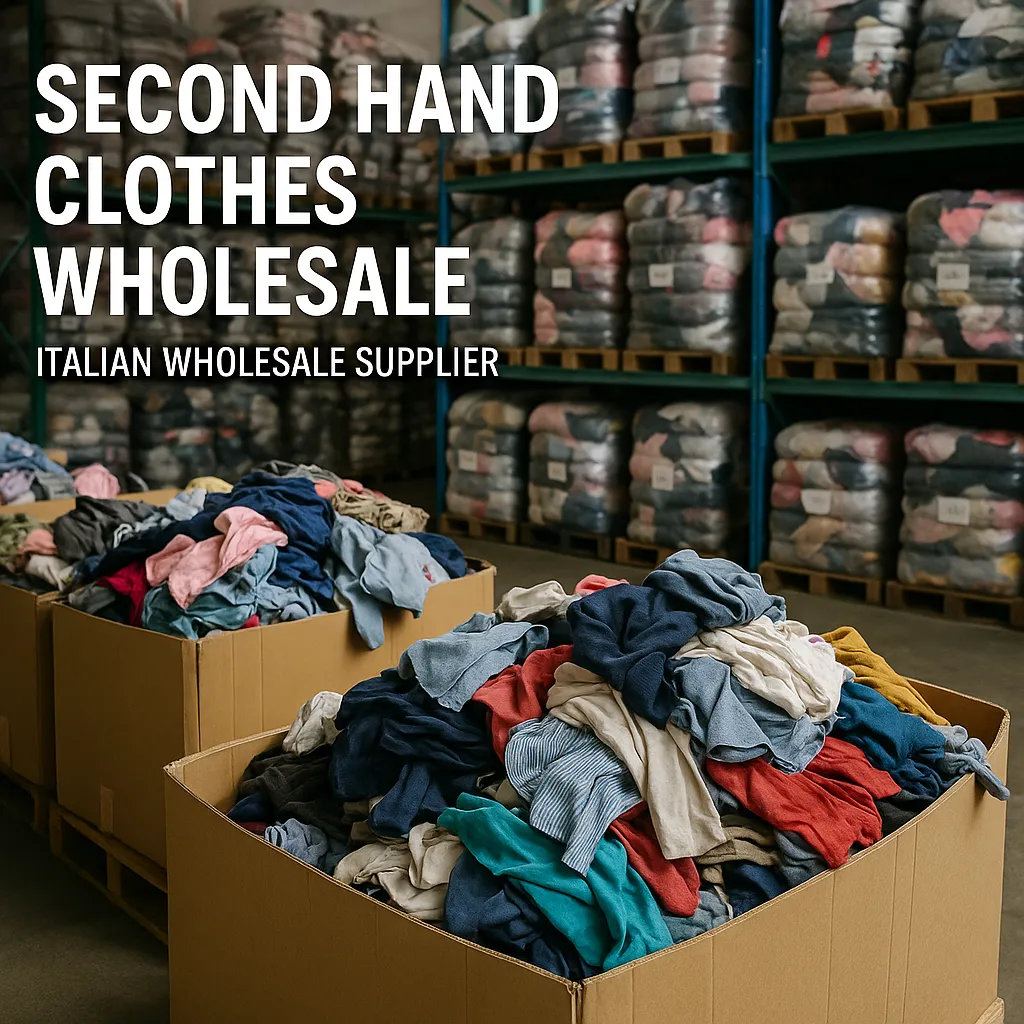
Second hand clothes wholesale options have become increasingly popular among retailers seeking sustainable solutions for their inventory. As the fashion industry faces mounting pressure to reduce waste and promote eco-friendly practices, second hand clothing provides an excellent alternative. Not only do these garments come at a fraction of the cost of new clothing, but they also contribute to a circular economy, reducing the overall demand for new textiles. Retailers who integrate second hand clothes into their offerings not only cater to budget-conscious consumers but also appeal to those who prioritize sustainability. This dual appeal makes second hand clothing an attractive option for businesses aiming to thrive in today's environmentally-conscious market.
Understanding the Market for Second Hand Clothes
The market for second hand clothes wholesale is thriving due to various factors, including shifting consumer attitudes and economic considerations. Many consumers now recognize the environmental impact of fast fashion and are actively seeking alternatives that are both ethical and affordable. Retailers have responded by offering second hand clothing, which often features unique styles not found in traditional fast fashion outlets. This uniqueness can attract a diverse customer base, from thrift enthusiasts to those looking for rare vintage pieces. Moreover, the financial benefits of purchasing wholesale second hand clothes are significant, allowing retailers to maintain healthy profit margins while providing value to their customers. By focusing on quality sourcing and transparent supply chains, retailers can build trust with their customers, thereby enhancing brand loyalty and encouraging repeat business.
Benefits of Sourcing Second Hand Clothes Wholesale
Sourcing second hand clothes wholesale offers numerous benefits that can help retailers differentiate themselves in a crowded market. Firstly, the cost savings associated with buying wholesale can significantly improve a retailer's bottom line. Since these garments are typically less expensive than new clothing, retailers can offer competitive prices to their customers, making their stores more attractive. Additionally, the ability to curate a unique selection of clothing can enhance the shopping experience, as consumers are often drawn to the one-of-a-kind nature of second hand items. Furthermore, by promoting the sustainable aspects of second hand shopping, retailers can tap into a growing demographic that values ethical consumerism. This alignment with consumer values not only fosters goodwill but also positions the retailer as a leader in the responsible fashion movement.
Challenges in the Second Hand Clothing Market
While the second hand clothes wholesale market presents significant opportunities, it is not without its challenges. One of the primary hurdles is ensuring the quality and condition of the garments being sourced. Retailers must establish reliable relationships with suppliers to guarantee that they receive items that meet their standards. Additionally, the variability in inventory can make it difficult for retailers to maintain a consistent selection for their customers. This unpredictability necessitates a proactive approach to inventory management, where retailers must regularly evaluate their stock and develop strategies to replenish popular items. Moreover, educating customers on the value of second hand clothing is crucial; some consumers may still harbor misconceptions about the quality and desirability of used garments. By addressing these challenges head-on, retailers can successfully navigate the complexities of the second hand clothing market and ultimately thrive.
Building a Successful Second Hand Clothing Business
To build a successful second hand clothing business, retailers must develop a clear strategy that encompasses sourcing, marketing, and customer engagement. Establishing relationships with reputable wholesalers is key to ensuring a steady supply of quality items. Retailers should consider attending trade shows and networking events to connect with suppliers and learn about emerging trends within the second hand market. Additionally, leveraging social media platforms can be an effective way to reach potential customers, showcasing unique items and promoting the brand's commitment to sustainability. Engaging storytelling around the origins of each piece can elevate the shopping experience and foster a sense of connection between customers and the clothing. Furthermore, implementing loyalty programs can incentivize repeat purchases, encouraging customers to return for their second hand shopping needs. By incorporating these strategies, retailers can create a vibrant community around their brand and drive long-term success.
Marketing Strategies for Second Hand Clothes
Effective marketing strategies are essential for promoting a second hand clothing business and attracting a loyal customer base. One approach is to highlight the sustainability aspect of second hand shopping, appealing to environmentally-conscious consumers. Retailers can create informative content about the environmental benefits of choosing second hand over new clothing, utilizing blogs and social media to disseminate this information. Collaborating with influencers in the sustainable fashion space can also amplify marketing efforts, as these individuals can help reach a wider audience. Additionally, creating visually appealing displays in-store and online can enhance the shopping experience, making it more enjoyable for customers. Hosting events, such as clothing swaps or styling workshops, can further engage the community and draw attention to the brand. By employing a combination of these marketing tactics, retailers can effectively position themselves within the second hand clothing market and foster meaningful connections with their customers.
Engaging Customers Through Storytelling
Storytelling can be a powerful tool in the second hand clothing business, allowing retailers to connect with their audience on a deeper level. Each garment carries its own history, and sharing these stories can create an emotional bond between the item and the consumer. Retailers can highlight the journey of the clothing, from its previous owner to its new life in the store, emphasizing themes of sustainability and responsible consumerism. This narrative approach not only enriches the shopping experience but also helps to dispel any stigma surrounding second hand clothing. By showcasing customer testimonials and encouraging shoppers to share their own stories, retailers can cultivate a sense of community and authenticity around their brand. This emphasis on storytelling not only enhances customer engagement but also reinforces the retailer's commitment to sustainable practices, further solidifying their place in the second hand clothing market.
Conclusion: The Future of Second Hand Clothing Wholesale
The future of second hand clothes wholesale looks promising as more retailers and consumers recognize the value of sustainable fashion. With increasing awareness of the environmental and social implications of fast fashion, the demand for second hand clothing is set to grow. Retailers who adapt to this shift by sourcing quality garments and effectively marketing them will position themselves favorably in the marketplace. By embracing innovation and maintaining a focus on customer engagement, businesses can thrive in the evolving landscape of fashion retail. As the second hand clothing market continues to expand, it presents a unique opportunity for retailers to not only meet consumer demand but also contribute to a more sustainable future. Those who prioritize ethical practices and foster meaningful connections with their customers will likely lead the charge in this exciting and transformative sector of the fashion industry.
FAQ
What are the benefits of second hand clothes wholesale?
Second hand clothes wholesale offers numerous advantages, including significant cost savings for retailers, unique inventory options, and the ability to appeal to environmentally-conscious consumers. Retailers can benefit from lower prices than new clothing, which allows them to offer competitive pricing and maintain healthy profit margins. Additionally, the variety and uniqueness of second hand items can attract a diverse customer base, enhancing the shopping experience. By promoting sustainability, retailers align themselves with the growing movement towards ethical consumerism, fostering brand loyalty among customers who prioritize eco-friendly practices.
How can I start a second hand clothing business?
Starting a second hand clothing business involves several key steps. First, research the market to identify your target audience and sourcing options. Establish relationships with reputable wholesalers to ensure a steady supply of quality garments. Create a business plan that outlines your marketing strategy, pricing, and operational logistics. Building an online presence through social media and an e-commerce website is crucial for reaching potential customers. Finally, focus on creating an engaging shopping experience, emphasizing the unique stories behind your products to connect with your audience.
Where can I find second hand clothes wholesale suppliers?
Finding second hand clothes wholesale suppliers can be done through various channels. Attending trade shows and industry events is an effective way to meet suppliers and discover new products. Online platforms and directories specializing in wholesale second hand clothing can also provide valuable leads. Additionally, reaching out to local charities and thrift stores may yield opportunities to purchase bulk items directly. Establishing a reliable network of suppliers is crucial for maintaining quality and variety in your inventory.
What marketing strategies work best for second hand clothing?
Effective marketing strategies for second hand clothing include emphasizing sustainability, leveraging social media, and engaging storytelling. Highlighting the environmental benefits of second hand shopping can attract eco-conscious consumers. Utilizing social media platforms to showcase unique items and share customer stories enhances brand visibility. Collaborating with influencers can broaden your reach, while hosting events fosters community engagement. Creating visually appealing displays both in-store and online can further enhance the shopping experience, drawing customers and encouraging repeat visits.
How do I ensure the quality of second hand clothing?
Ensuring the quality of second hand clothing involves establishing strong relationships with reliable suppliers and implementing thorough quality checks on incoming inventory. Retailers should develop a set of standards for the condition and style of garments they accept, which can help maintain a consistent level of quality. Regularly evaluating inventory and replacing items that do not meet standards is also essential. Educating customers about the quality and potential of second hand clothing helps build trust and encourages repeat purchases.
Why is second hand clothing gaining popularity?
The popularity of second hand clothing is primarily driven by increasing awareness of environmental issues associated with fast fashion, as well as a growing desire for unique and affordable fashion options. Consumers are becoming more conscious of their purchasing decisions, opting for sustainable alternatives that minimize waste. The appeal of vintage and one-of-a-kind pieces adds to the allure of second hand shopping. Additionally, the financial benefits of purchasing used clothing make it an attractive option for budget-conscious shoppers, further fueling its rise in popularity.
For more information on our products, visit RecyclingItaly. To learn about our mission, check out our social mission. If you have any questions, feel free to contact us.
Disclaimer: This article is for informational purposes only and does not constitute professional advice. Always research and consult with industry experts before starting a business.