Explore Second Hand Clothes Wholesale in Germany
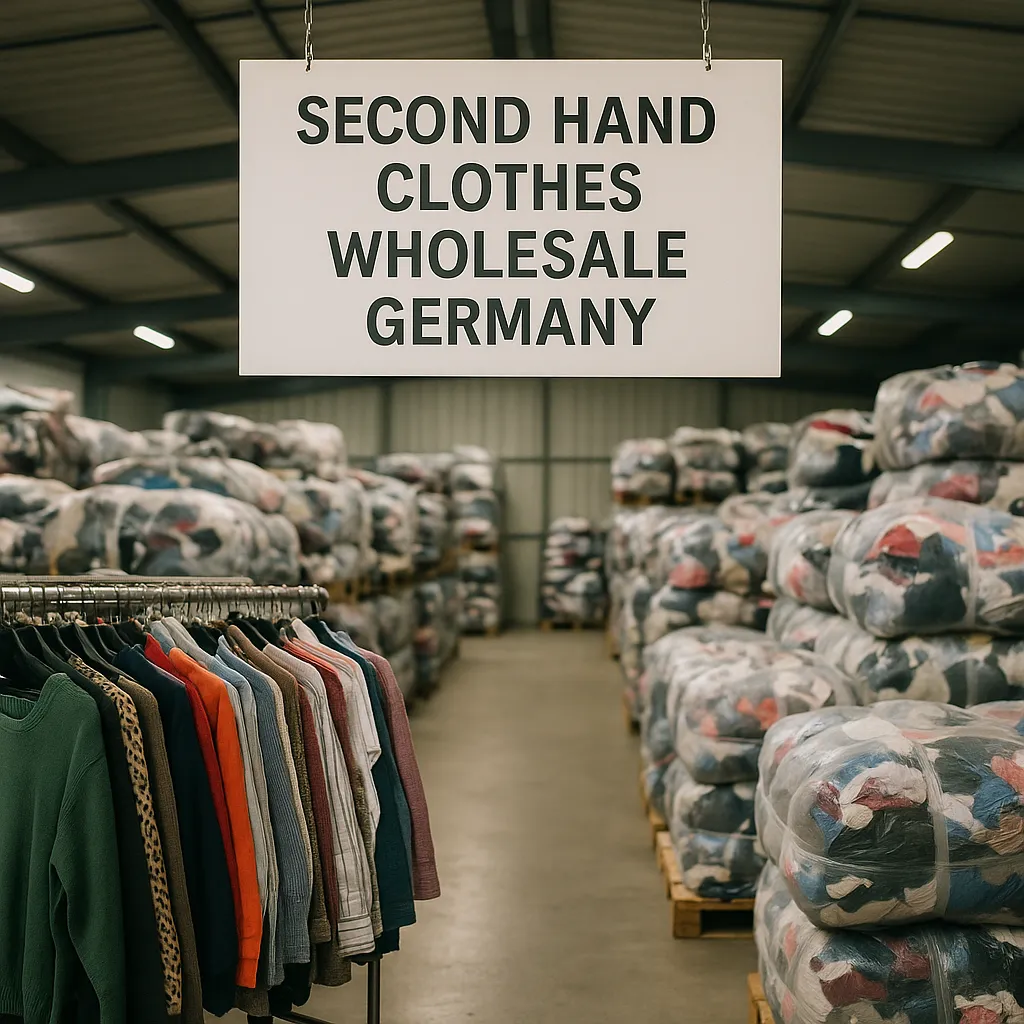
In recent years, the demand for second hand clothes wholesale in Germany has grown significantly, with consumers increasingly seeking sustainable fashion options. This trend reflects a broader shift in consumer behavior, where environmental consciousness plays a pivotal role in purchasing decisions. By opting for second hand clothing, retailers and individual buyers alike can contribute to reducing waste and promoting a more sustainable approach to fashion. Moreover, the second hand clothing market in Germany is diverse, offering a wide range of styles, brands, and quality levels that cater to different customer needs. Understanding this market's dynamics is essential for those looking to tap into the wholesale business of second hand clothing.
Understanding the Market for Second Hand Clothes in Germany
The second hand clothing market in Germany is characterized by a variety of factors that influence its growth and development. One of the primary drivers is the increasing awareness of environmental issues associated with fast fashion. Consumers are now more informed about the ecological footprint of their clothing choices, leading them to seek alternatives that are both stylish and sustainable. Additionally, Germany has a well-established infrastructure for the collection and distribution of second hand textiles, which facilitates the wholesale trade. Thrift stores, charity shops, and online platforms are abundant, providing a steady supply of quality second hand garments. Retailers looking to enter this market should focus on understanding consumer preferences, which can vary widely based on demographics and regional differences. Analyzing market trends and consumer behavior is crucial for making informed sourcing and inventory decisions.
Where to Source Second Hand Clothes Wholesale in Germany
When it comes to sourcing second hand clothes wholesale in Germany, there are numerous avenues available to retailers. Wholesale markets and trade shows are excellent starting points, as they allow buyers to connect directly with suppliers and assess the quality of the garments firsthand. Online platforms such as B2B marketplaces have also gained popularity, offering extensive catalogs of second hand clothing from various suppliers. Buyers should consider establishing relationships with trusted wholesalers who specialize in second hand textiles to ensure a consistent supply of quality products. Moreover, engaging with local charities and non-profit organizations that collect and distribute second hand clothing can present unique opportunities for sourcing. These organizations often have a surplus of donations and might be open to partnerships with retailers, providing an ethical sourcing channel. Exploring these various sourcing options will enable businesses to build a diverse inventory that appeals to their target market.
Quality Control and Pricing Strategies
Quality control is a critical aspect when dealing with second hand clothes wholesale in Germany. Retailers must implement rigorous inspection processes to ensure that the garments meet their quality standards before they are sold to consumers. This includes checking for damages, stains, and overall wear and tear. Establishing a grading system for the clothing can help in categorizing items based on their condition, which directly impacts pricing strategies. Retailers should also be transparent about the condition of the garments to maintain customer trust. Pricing second hand clothes can be challenging; however, understanding the market value and customer willingness to pay is essential. Competitive pricing, combined with clear communication regarding the quality and sourcing of the items, can enhance sales and foster customer loyalty. Additionally, offering promotions or bundling items can attract more customers and increase average transaction values.
Marketing Your Second Hand Clothing Business
Effective marketing is essential for the success of any second hand clothing business in Germany. Retailers should consider leveraging social media platforms to showcase their inventory and engage with potential customers. High-quality images and engaging content that highlights the uniqueness of each piece can capture the attention of fashion-conscious consumers. Collaborating with influencers who promote sustainable fashion can also broaden the reach and attract a dedicated audience. In addition, participating in community events, pop-up shops, and local markets can raise awareness about the brand and drive sales. Establishing a strong online presence through an e-commerce platform is crucial, especially as more consumers turn to online shopping. Email marketing campaigns that share stories behind the garments and provide styling tips can help build a loyal customer base. Overall, a multifaceted marketing strategy that emphasizes sustainability, quality, and community interaction will be vital for thriving in the competitive landscape of second hand clothing wholesale in Germany.
Benefits of Buying Second Hand Clothes Wholesale
Purchasing second hand clothes wholesale in Germany offers numerous benefits that appeal to both retailers and consumers. Firstly, it provides an opportunity to acquire unique, vintage, and high-quality garments at a fraction of the retail price. This not only enhances inventory diversity but also attracts customers looking for one-of-a-kind pieces that are not available in mainstream stores. Secondly, engaging in the second hand clothing market promotes sustainability by reducing the demand for new textile production, which is often resource-intensive. For retailers, this can translate into a strong selling point, as consumers are increasingly prioritizing eco-friendly brands. Moreover, the financial aspect cannot be overlooked; sourcing second hand clothing can lead to higher profit margins compared to traditional retail sourcing methods. Retailers can capitalize on the growing trend of thrift shopping, appealing to a broader audience that values sustainability and affordability.
Challenges in the Second Hand Clothing Market
While the benefits of sourcing second hand clothes wholesale in Germany are substantial, retailers must also navigate several challenges. One significant issue is the inconsistency in quality and availability of stock. Unlike new clothing, second hand garments can vary greatly in condition, style, and size, making it essential for retailers to have efficient sorting and quality control processes in place. Additionally, the market can be volatile, with trends shifting rapidly, which may affect inventory turnover. Retailers need to stay informed about fashion trends and consumer preferences to avoid overstocking items that may not sell. Furthermore, competition from online marketplaces and fast fashion brands remains a challenge, requiring retailers to develop unique selling propositions that differentiate them from others. Building a strong brand identity that resonates with consumers and communicates a commitment to sustainability can help overcome these hurdles and foster long-term success.
Future Trends in Second Hand Clothing Wholesale
The future of second hand clothes wholesale in Germany looks promising, as more consumers embrace sustainable practices and seek out eco-friendly options. Innovations in technology, such as online resale platforms and mobile applications, are likely to continue transforming the landscape of the second hand market, making it easier for consumers to buy and sell used clothing. Additionally, the rise of circular fashion initiatives encourages retailers to adopt more sustainable practices, such as recycling and upcycling garments. As awareness of environmental issues grows, so too will the demand for second hand clothing. Retailers who can adapt to these changes and leverage new technologies will be well-positioned to thrive in the evolving market. Furthermore, collaborations with brands focused on sustainability can enhance credibility and attract environmentally conscious consumers. The ongoing shift towards a more sustainable fashion industry presents exciting opportunities for growth within the second hand clothing wholesale sector in Germany.
Building Your Brand in the Second Hand Clothing Market
Establishing a strong brand in the second hand clothing market is crucial for attracting and retaining customers. Retailers should focus on creating a unique brand identity that reflects their values and commitment to sustainability. This can be achieved through consistent messaging across all marketing channels, including social media, websites, and packaging. Transparency about sourcing practices and the stories behind the clothing can also resonate with consumers who appreciate authenticity. Engaging with the community by participating in local events and collaborating with other sustainable businesses can further enhance brand visibility. Offering loyalty programs or incentives for repeat customers can help cultivate a loyal customer base. Additionally, gathering customer feedback and adapting the business model to meet their needs can lead to continuous improvement and sustained growth. In a market that values sustainability, a well-defined brand that prioritizes ethical practices will stand out and attract a dedicated following.
FAQ
What are the best sources for second hand clothes wholesale in Germany?
The best sources for second hand clothes wholesale in Germany include thrift shops, online B2B marketplaces, and wholesale trade shows. Establishing relationships with reliable wholesalers and local charities can also provide unique sourcing opportunities. By exploring various avenues, retailers can build a diverse inventory that appeals to their customer base and meets the growing demand for sustainable fashion.
How do I ensure quality when sourcing second hand clothes?
Ensuring quality when sourcing second hand clothes involves implementing a rigorous inspection process. It's essential to check each garment for damages, stains, and overall wear. Establishing a grading system can help categorize items based on their condition, which can inform pricing and sales strategies. Additionally, maintaining a relationship with trusted suppliers can improve the likelihood of consistent quality.
What are the pricing strategies for second hand clothing?
Pricing strategies for second hand clothing should consider the condition, brand, and market demand. Competitive pricing is essential, but retailers must also ensure they are transparent about the quality of their garments. Offering promotions, bundling items, and utilizing a grading system can help attract customers while maximizing profit margins. Understanding customer willingness to pay is crucial for setting prices that resonate in the market.
How can I market my second hand clothing business effectively?
Effective marketing for a second hand clothing business can include leveraging social media, engaging with influencers, and creating high-quality content that showcases the uniqueness of the inventory. Participating in community events and establishing an online presence through an e-commerce platform are also important. Email marketing campaigns that tell stories about the garments can enhance customer engagement and loyalty, driving sales.
What challenges do retailers face in the second hand clothing market?
Retailers in the second hand clothing market face challenges such as inconsistent quality, fluctuating inventory, and competition from fast fashion brands. Navigating these issues requires efficient sorting processes, staying informed about market trends, and developing unique selling propositions. Building a strong brand identity that resonates with consumers can help overcome these challenges and foster long-term success.
What is the future of second hand clothing wholesale in Germany?
The future of second hand clothing wholesale in Germany appears bright, with increasing consumer demand for sustainable options. Technological innovations and circular fashion initiatives are expected to reshape the market, providing new opportunities for retailers. Adapting to these changes and collaborating with sustainability-focused brands will be essential for thriving in this evolving landscape.