Discovering Second Hand Clothes Wholesale Options
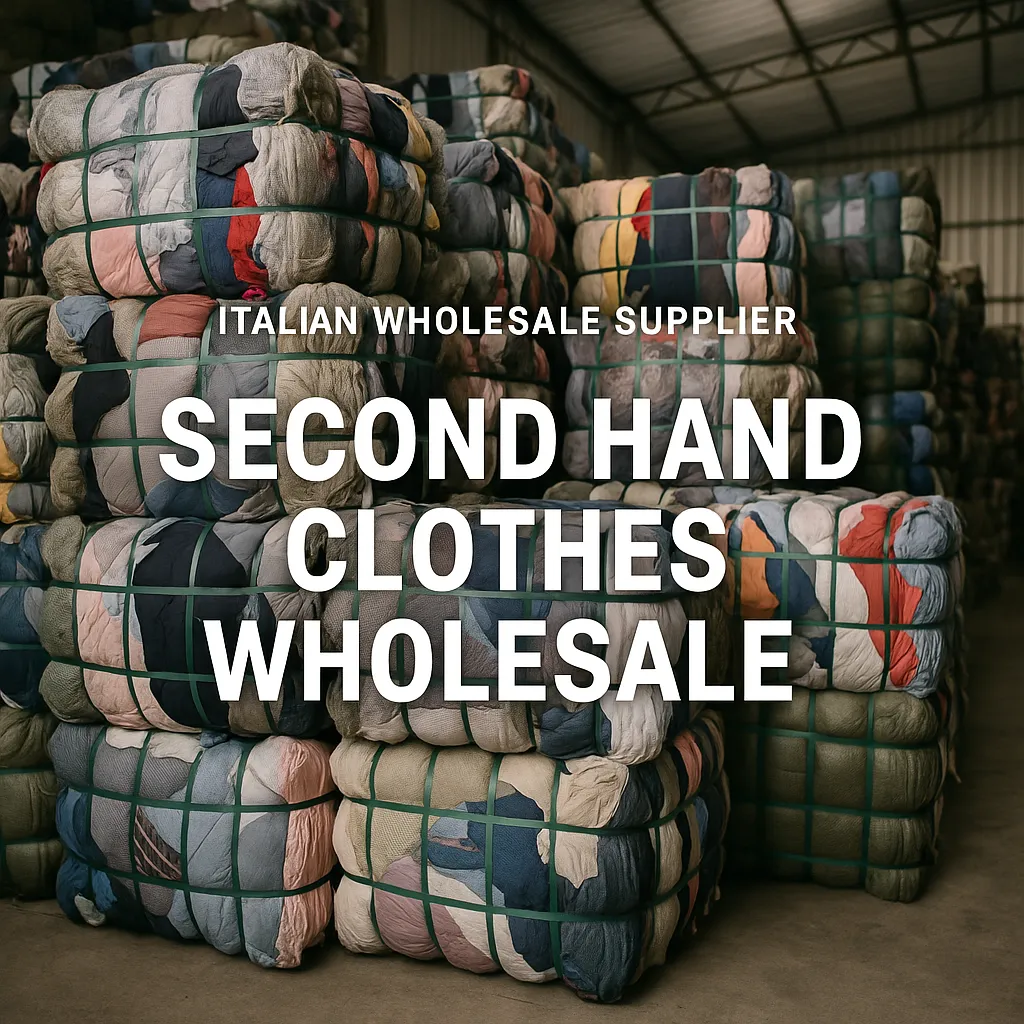
Second hand clothes wholesale has emerged as a vital component of the sustainable fashion movement, allowing businesses and individuals to access quality garments while promoting environmental responsibility. By purchasing second hand clothing in bulk, retailers can offer unique, affordable options that cater to a diverse clientele. This approach not only reduces textile waste but also supports ethical practices in the fashion industry. As consumers increasingly seek sustainable shopping alternatives, the demand for wholesale second hand clothing is on the rise. In this article, we will explore the benefits, sourcing strategies, and market trends associated with second hand clothes wholesale, providing valuable insights for entrepreneurs and eco-conscious consumers alike.
The Advantages of Second Hand Clothes Wholesale
Engaging in second hand clothes wholesale offers numerous advantages for retailers, entrepreneurs, and consumers. Firstly, it allows businesses to reduce costs while sourcing inventory. Wholesale prices for second hand clothing are often significantly lower than those for new garments, enabling retailers to maintain healthy profit margins. Additionally, the uniqueness of second hand clothing attracts customers looking for distinctive styles that cannot be found in mainstream retail stores. This uniqueness not only boosts sales but also enhances customer loyalty, as shoppers appreciate the opportunity to own one-of-a-kind pieces. Furthermore, the environmental benefits associated with purchasing second hand clothing are substantial. By diverting textiles from landfills and reducing the demand for new production, businesses can contribute to a more sustainable fashion ecosystem. Ultimately, the integration of second hand clothes wholesale into retail strategies aligns profit with purpose, making it a win-win scenario for both businesses and consumers.
Sourcing Quality Second Hand Clothes
Finding high-quality second hand clothes for wholesale can be a daunting task, but with the right strategies, retailers can build a strong inventory. One of the most reliable methods is to develop relationships with established wholesalers who specialize in second hand clothing. These wholesalers often curate their collections, ensuring that only garments in good condition are sold. Attending trade shows and industry events can also provide valuable connections and insights into sourcing options. Additionally, building partnerships with local charities and thrift stores can yield unique finds while supporting community initiatives. Another effective sourcing strategy includes exploring online platforms dedicated to second hand clothing, where retailers can browse extensive catalogs and place bulk orders. By leveraging these sourcing channels, businesses can ensure they have access to a diverse range of quality garments, ready to meet the demands of their customer base while promoting sustainable fashion practices.
Market Trends in Second Hand Clothes Wholesale
The second hand clothing market is experiencing significant growth, driven by changing consumer attitudes and a shift toward sustainability. As more people become aware of the environmental impact of fast fashion, they are actively seeking alternatives that align with their values. This trend is particularly strong among younger generations, who prioritize eco-friendly choices and are willing to invest in sustainable brands. The rise of social media has also played a crucial role in popularizing second hand shopping, with influencers and celebrities showcasing thrifted outfits, thereby normalizing the concept. Retailers who embrace second hand clothes wholesale can tap into this market by promoting their eco-friendly initiatives and unique offerings. Additionally, the rise of online resale platforms has made it easier for consumers to access second hand clothing, further fueling demand. By staying attuned to these market trends, businesses can position themselves effectively within the competitive landscape of the sustainable fashion industry.
Building a Sustainable Business Model
To fully leverage the potential of second hand clothes wholesale, it is essential for businesses to build a sustainable model that resonates with their target audience. This involves not only curating a collection of quality garments but also communicating the brand's commitment to sustainability. Transparency in sourcing and production processes can foster trust and loyalty among consumers who are increasingly concerned about ethical practices. Moreover, implementing recycling and upcycling initiatives can further enhance a brand's sustainability credentials. Encouraging customers to return used garments for resale or repurposing can create a circular economy, reducing waste and extending the life cycle of clothing. Additionally, investing in marketing strategies that highlight the environmental benefits of second hand shopping can attract eco-conscious consumers. By aligning business practices with sustainability goals, retailers can differentiate themselves in a crowded market and build a loyal customer base that values ethical fashion.
Conclusion: The Future of Second Hand Clothes Wholesale
The future of second hand clothes wholesale looks promising as more businesses and consumers recognize the importance of sustainability in the fashion industry. By embracing this model, retailers can not only contribute to environmental conservation but also tap into a growing market of conscious consumers seeking unique and affordable clothing options. The blend of quality sourcing, effective marketing, and a commitment to sustainability will pave the way for success in this sector. As the demand for second hand clothing continues to rise, businesses that adapt and innovate will thrive in the evolving landscape of fashion retail. In conclusion, the wholesale second hand clothing market presents a wealth of opportunities for those willing to engage in sustainable practices, making it an essential consideration for any forward-thinking retailer.
Table of Quality Second Hand Clothes
| Item Type | Brand | Condition | Wholesale Price | Retail Price |
|---|---|---|---|---|
| Shirts | Brand A | Like New | $5 | $20 |
| Pants | Brand B | Good | $7 | $25 |
| Dresses | Brand C | Excellent | $10 | $30 |
| Jackets | Brand D | Good | $15 | $40 |
| Sweaters | Brand E | Very Good | $8 | $25 |
In summary, engaging in second hand clothes wholesale not only addresses the pressing issue of waste in the fashion industry but also opens doors for innovative business opportunities. If you're interested in learning more about our offerings, feel free to explore our products page or contact us for further information. Join us in our mission to promote sustainable fashion and make a positive impact on the planet.
FAQ
What are the benefits of second hand clothes wholesale?
Engaging in second hand clothes wholesale offers numerous advantages, such as cost savings, unique inventory options, and a commitment to sustainability. Retailers can access quality garments at lower prices than new clothing, which helps maintain profit margins. The uniqueness of these items attracts customers seeking distinctive fashion pieces, fostering loyalty and boosting sales. Additionally, purchasing second hand clothing contributes to reducing textile waste and supporting ethical practices within the fashion industry. Overall, second hand clothes wholesale aligns profitability with environmentally friendly choices, making it an appealing option for businesses and consumers alike.
How can I find reliable sources for second hand clothing?
To find reliable sources for second hand clothing, consider building relationships with established wholesalers specializing in this market. Attending trade shows and networking events can also be beneficial for discovering potential suppliers. Additionally, collaborating with local charities and thrift stores can yield unique inventory while supporting community initiatives. Online platforms dedicated to second hand clothing offer extensive catalogs for bulk orders, making them another viable sourcing option. By exploring these avenues, retailers can ensure access to quality garments that meet their customers' demands.
What market trends are driving the second hand clothing industry?
The second hand clothing industry is being driven by increasing consumer awareness of sustainability, particularly among younger generations. As individuals become more conscious of the environmental impact of fast fashion, they actively seek alternatives that align with their values. The rise of social media has also contributed to this trend, with influencers showcasing thrifted outfits and normalizing second hand shopping. Retailers who incorporate second hand clothes wholesale into their offerings can capitalize on these trends by promoting their eco-friendly initiatives and unique inventory, positioning themselves effectively within the sustainable fashion market.
How can businesses promote their second hand clothing offerings?
Businesses can effectively promote their second hand clothing offerings by emphasizing their commitment to sustainability and ethical practices. This can be achieved through transparent communication about sourcing and production processes, fostering trust with consumers. Implementing recycling and upcycling initiatives can also enhance a brand's sustainability image, encouraging customers to return used garments for resale. Marketing strategies that highlight the environmental benefits of second hand shopping can attract eco-conscious consumers. By aligning business practices with sustainability goals, retailers can effectively differentiate themselves in a competitive market.
What role does social media play in second hand clothing sales?
Social media plays a significant role in driving sales within the second hand clothing market by influencing consumer behavior and promoting sustainable fashion choices. Platforms like Instagram and TikTok allow users to share their thrifted outfits, showcasing unique styles that attract attention and inspire others to explore second hand options. Influencers often endorse thrift shopping, normalizing the practice and encouraging their followers to adopt eco-friendly habits. Retailers can leverage social media marketing by sharing engaging content, promoting their second hand inventory, and connecting with a community of conscious consumers, ultimately boosting sales and brand visibility.
For more insights into our eco-friendly mission, please visit our social mission page. Thank you for reading!