Discovering Second Hand Clothes in Bulk for Your Business
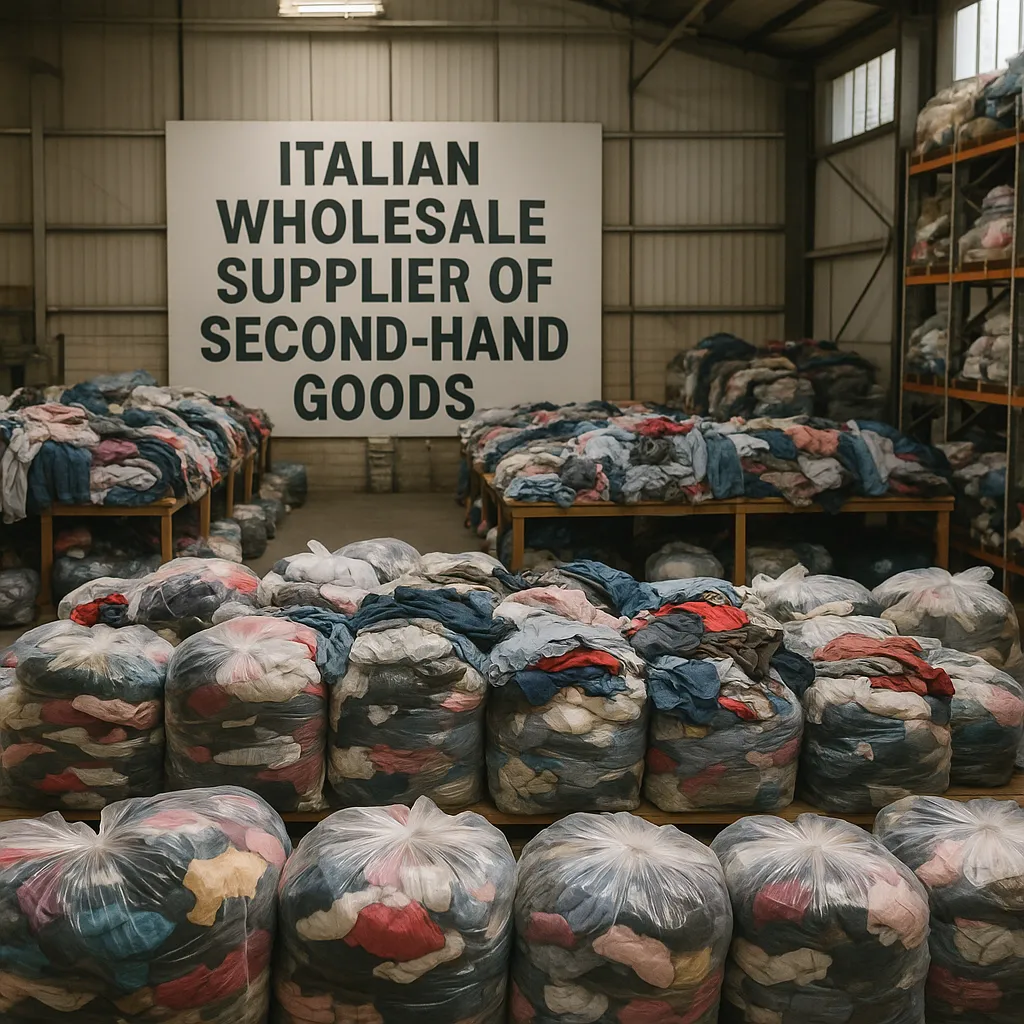
Second hand clothes in bulk provide an excellent opportunity for retailers to stock their stores with unique, sustainable, and cost-effective clothing options. The growing awareness of environmental issues and the negative impact of fast fashion has led to an increased demand for second-hand garments. By sourcing second hand clothes in bulk, businesses can cater to eco-conscious consumers while simultaneously enjoying a competitive edge in the retail market. This article delves into the myriad benefits of bulk purchases of second-hand clothing, the best sourcing strategies, and how to effectively market these items to attract a diverse customer base.
The Advantages of Sourcing Second Hand Clothes in Bulk
Purchasing second hand clothes in bulk comes with numerous advantages that can significantly benefit retailers. First, the cost savings are substantial; because these garments are pre-owned, their price point is typically much lower than new clothing. This allows businesses to maximize their profit margins while offering affordable options to customers. Furthermore, bulk purchasing reduces shipping costs per item, making it a financially savvy choice for retailers. In addition, incorporating second hand items into inventory can enhance a store's appeal by providing unique pieces that are not available in typical retail outlets. This differentiation can attract a broader customer base that appreciates variety and sustainability in their purchasing decisions. Moreover, as consumers become more environmentally conscious, stocking second hand clothing can bolster a brand's reputation, showcasing a commitment to responsible retail practices.
Understanding the Market Demand for Second Hand Clothing
The market demand for second hand clothing is skyrocketing, driven by consumers' desire for sustainable options. The rise of thrift culture and vintage fashion has led to a renaissance in the way people view pre-owned garments. Retailers who adapt to this shift can tap into a lucrative market segment that values sustainability and uniqueness. In addition, younger consumers, particularly millennials and Gen Z, are increasingly prioritizing brands that demonstrate social responsibility. By offering second hand clothes in bulk, retailers can align themselves with these values, enhancing their brand image and customer loyalty. Understanding the demographics and psychographics of your target audience is crucial; businesses should conduct market research to identify trends and preferences that inform their inventory decisions, ensuring they meet consumer needs effectively.
Effective Sourcing Strategies for Bulk Second Hand Clothing
To effectively source second hand clothes in bulk, retailers have several strategies at their disposal. Establishing relationships with wholesalers who specialize in second hand garments can yield a consistent supply of quality items. Additionally, attending trade shows and industry events can help retailers discover new suppliers and trends in the second hand market. Online platforms dedicated to reselling bulk clothing are also valuable resources; these platforms often offer a vast selection of items from various sources, allowing retailers to curate their inventory according to their brand's aesthetic. Furthermore, collaborating with local charities and organizations can provide unique sourcing opportunities, often resulting in one-of-a-kind pieces that enhance the store's appeal. Retailers should also consider diversifying their product offerings by incorporating a mix of styles and sizes to cater to a wider audience.
Marketing Second Hand Clothes Effectively
Once second hand clothes in bulk have been sourced, the next step is to market them effectively to attract customers. Storytelling plays a vital role in this process; retailers should highlight the unique history of each piece and the sustainability aspect of purchasing second hand items. Utilizing social media platforms for marketing can amplify brand awareness and engagement, especially when showcasing visually appealing outfits. Creating a visually cohesive and inviting store layout can also enhance the shopping experience, encouraging customers to browse longer. Promotions and discounts on bulk purchases can incentivize consumers to try out second hand clothing, while loyalty programs can foster repeat business. Additionally, hosting events centered around sustainability, such as clothing swaps or workshops, can further solidify a brand's commitment to eco-friendly practices, drawing in customers who share similar values.
Building Connections with Your Customers
Building a solid connection with customers is essential for any retailer, and it is especially important in the second hand clothing market. Transparency about sourcing practices and the environmental impact of purchasing second hand items can foster trust and loyalty among shoppers. Engaging with customers through social media platforms allows retailers to create a community around their brand, encouraging feedback and dialogue about sustainability in fashion. Additionally, sharing customer testimonials and success stories can enhance credibility and showcase the positive experiences others have had with second hand clothing. Hosting in-store events, such as styling sessions or sustainable fashion discussions, can strengthen these connections by providing customers with opportunities to engage directly with the brand and its values. By prioritizing customer relationships, retailers can create a loyal following that not only supports the business but also promotes the broader mission of sustainable fashion.
Leveraging Technology for Improved Sales
In today's digital age, leveraging technology is crucial for improving sales of second hand clothes in bulk. E-commerce platforms provide retailers with the ability to reach a wider audience, breaking down geographical barriers. Implementing an online store allows businesses to showcase their inventory effectively, complete with high-quality images and detailed descriptions of each piece. Utilizing inventory management software can streamline the process of tracking stock levels and sales trends, ensuring that retailers can respond quickly to customer demand. Additionally, employing data analytics can help retailers understand customer behavior and preferences, allowing for more informed purchasing decisions. Marketing automation tools can also enhance outreach efforts, ensuring that promotions and new arrivals reach customers promptly. By integrating technology into their sales strategy, retailers can enhance their operational efficiency and ultimately drive more sales.
Ensuring Quality Control in Bulk Purchases
Quality control is paramount when dealing with second hand clothes in bulk. Retailers must establish clear criteria for assessing the condition of garments, ensuring that only items meeting specific standards are offered to customers. Implementing a thorough inspection process upon receipt of bulk shipments can help identify any items that require repairs or cleaning before being placed on the sales floor. Additionally, retailers should provide clear descriptions of each item’s condition online, fostering transparency and trust with customers. Offering a return policy can also enhance customer satisfaction, giving shoppers the confidence to purchase second hand items knowing they have options if the fit or condition does not meet their expectations. By prioritizing quality control, retailers can build a reputation for offering high-quality second hand clothing, further driving customer loyalty and repeat business.
Conclusion: The Future of Second Hand Clothing Retail
The future of retail is undeniably leaning towards sustainability, and second hand clothes in bulk are at the forefront of this transformation. As consumers become more aware of their purchasing power and its impact on the environment, retailers who adapt to these trends will thrive. By understanding the advantages of bulk purchasing, effectively sourcing quality items, and implementing robust marketing strategies, businesses can position themselves as leaders in the sustainable fashion movement. Building strong connections with customers and leveraging technology will further enhance sales and customer loyalty. The commitment to quality control ensures that retailers can deliver a positive shopping experience, encouraging repeat business and referrals. In this rapidly evolving market, embracing second hand clothing is not just a trend; it’s a necessary step towards a more sustainable future.
FAQ
What are the benefits of purchasing second hand clothes in bulk?
Purchasing second hand clothes in bulk offers numerous benefits, including significant cost savings, a unique inventory, and enhanced brand reputation through sustainability. Retailers can enjoy lower prices on pre-owned garments, which allows for higher profit margins. Additionally, these clothes often have distinctive styles, attracting customers looking for unique fashion options. By embracing bulk purchases of second hand clothing, retailers also demonstrate a commitment to eco-friendly practices, appealing to the growing market of environmentally conscious consumers.
How can I find reliable suppliers for second hand clothes?
Finding reliable suppliers for second hand clothes involves researching wholesalers who specialize in pre-owned garments. Attending trade shows and networking with industry professionals can also uncover potential sources. Online platforms that facilitate bulk purchases are another option, often featuring a wide range of suppliers. It's important to vet suppliers by reviewing their reputation, product quality, and customer feedback to ensure a consistent supply of quality clothing.
What should I consider when marketing second hand clothing?
When marketing second hand clothing, consider the unique history and sustainability benefits of the garments. Utilize social media to share visually appealing images and stories that resonate with your target audience. Additionally, creating a cohesive in-store experience and offering promotions can attract customers. Building a community around your brand through events and engagement can also enhance customer loyalty and encourage repeat business.
How can I ensure quality control for bulk second hand clothing?
To ensure quality control for bulk second hand clothing, establish clear criteria for garment condition and implement a thorough inspection process upon receiving shipments. This helps identify items that need repairs or cleaning before they are sold. Providing accurate descriptions of each item’s condition online fosters transparency with customers, while a return policy can enhance satisfaction by allowing buyers to feel confident in their purchases.
What role does technology play in selling second hand clothes?
Technology plays a significant role in selling second hand clothes by facilitating e-commerce, improving inventory management, and enhancing marketing efforts. Online stores allow retailers to showcase their inventory to a broader audience, while inventory management software helps track stock levels and sales trends. Data analytics can inform purchasing decisions, and marketing automation tools ensure timely outreach to customers about new arrivals and promotions.
What are some effective sourcing strategies for second hand clothes?
Effective sourcing strategies for second hand clothes include establishing partnerships with wholesalers, attending trade shows, and utilizing online platforms that specialize in bulk clothing sales. Collaborating with local charities for unique sourcing opportunities can also be beneficial. Retailers should focus on curating a diverse inventory that appeals to a wide audience, ensuring they offer various styles and sizes to meet customer demands.