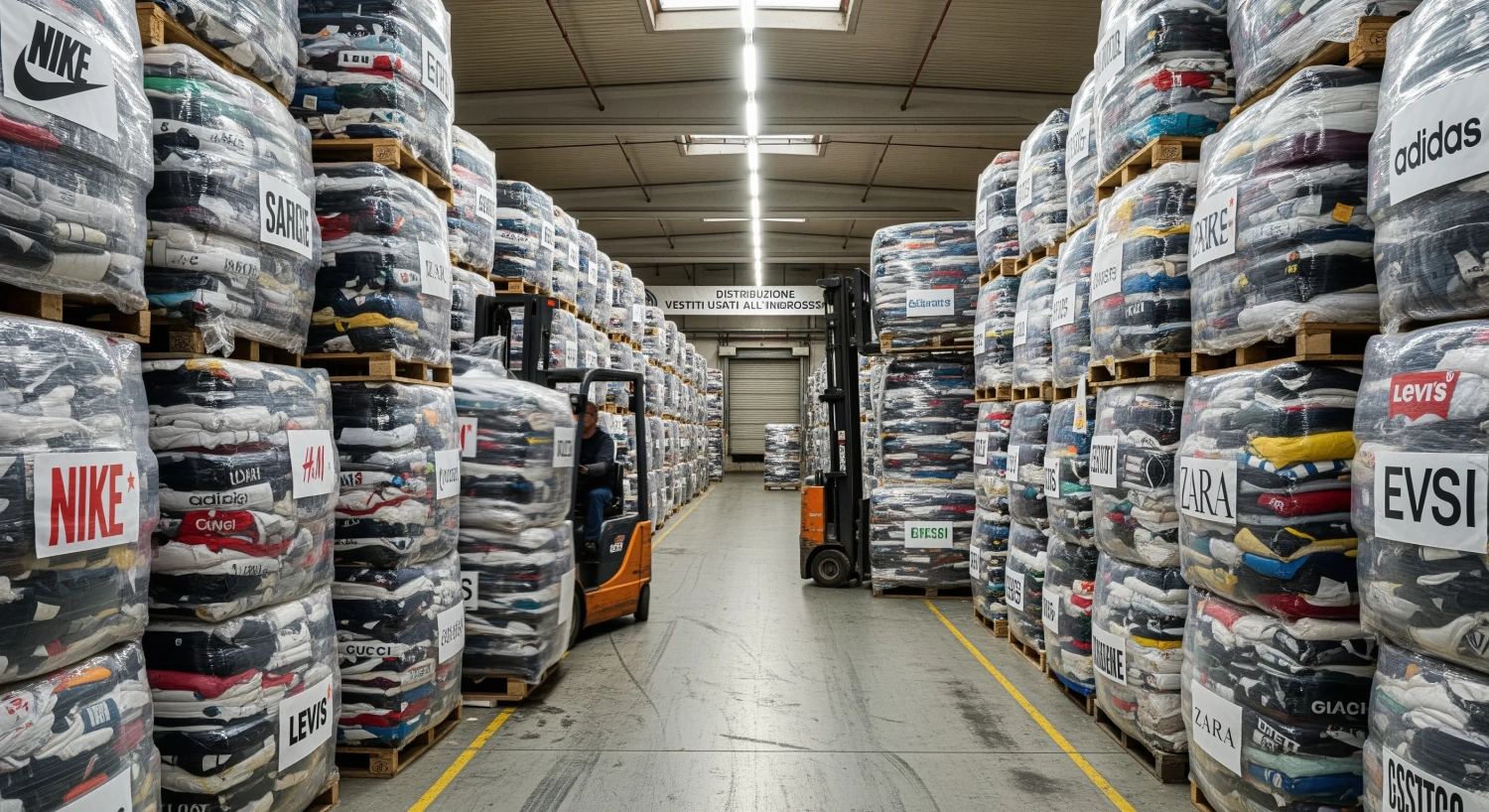
In the vibrant hub of Marcianise Sud, Caserta, Italy, the trade of second-hand clothing is rising, offering significant opportunities for B2B buyers across Europe. Engaging with local suppliers like Recycling Italy allows wholesalers, exporters, and store owners to explore an extensive range of bulk options. The focus on quality second-hand apparel not only meets market demand but also aligns with the growing trend towards sustainability in the fashion industry. Supply chain readiness and efficient logistics are key to ensuring that these products reach retailers swiftly and reliably.
Table of Contents
- Key Takeaways
- Insight into the Second-Hand Market
- Grading and Sorting Process
- Logistics and Shipping Considerations
- Risk Management in Bulk Clothing
- Fostering a Circular Economy
Key Takeaways
| Consideration | Details |
|---|---|
| Minimum Order Quantity (MOQ) | Typically starts at 1000 kg for trade orders. |
| Grading Standards | Quality control through systematic grading of clothing items. |
| Logistics Planning | Efficiency in shipping and handling is paramount for B2B operations. |
| Margin Considerations | Focus on risk margins to ensure profitability in trade. |
Insight into the Second-Hand Market
The demand for second-hand clothing in Europe is continually increasing, influenced by sustainability trends and changing consumer preferences. B2B suppliers can capitalize on this shift by offering a variety of branded garments at competitive prices. This demand highlights the importance of establishing reliable connections with quality suppliers, ensuring that bulk clothing is not only diverse but also meets stringent quality standards.
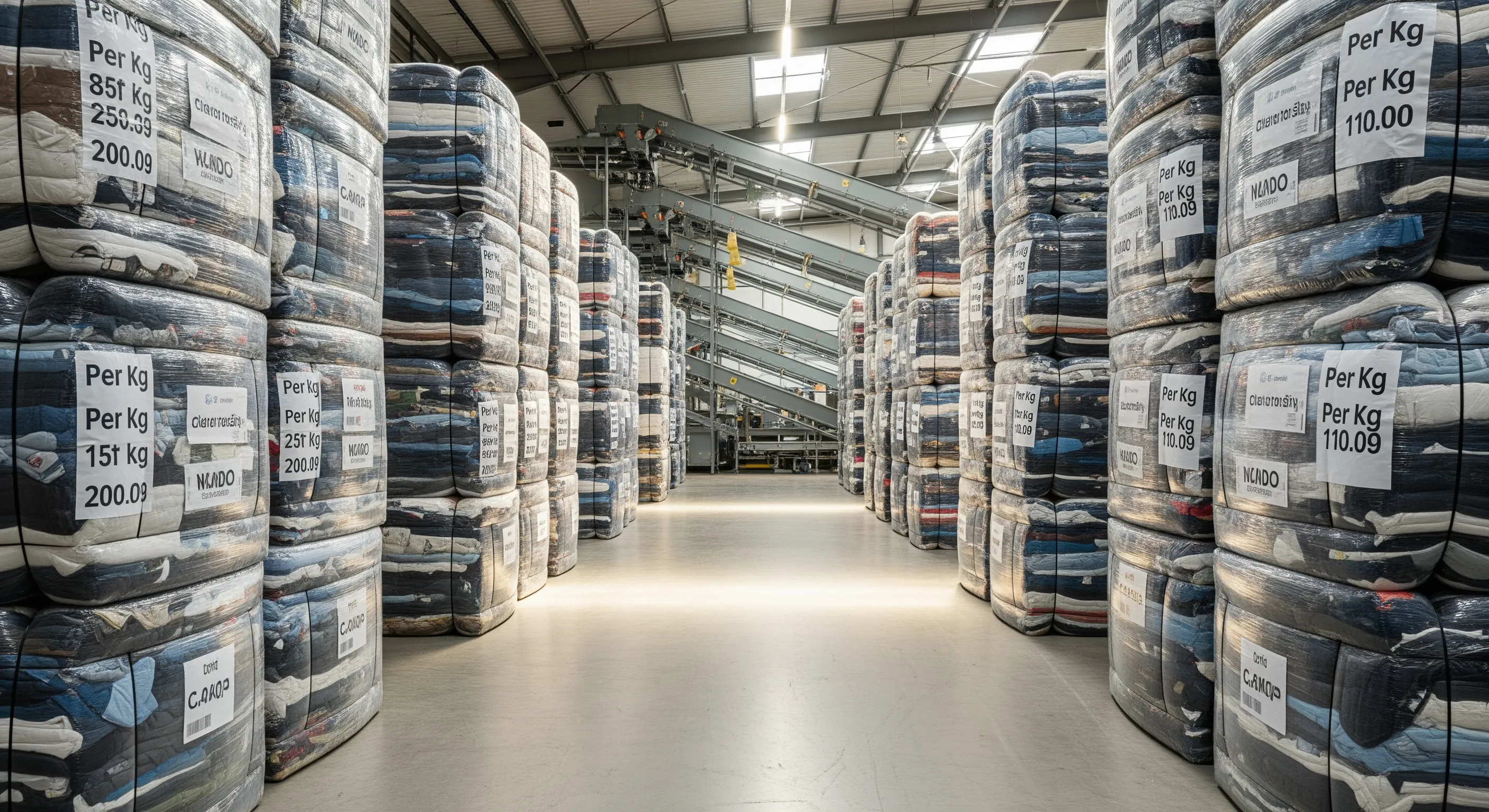
According to an industry report, the European second-hand market is thriving, with Italy at the forefront, offering competitive advantages for trade buyers. Knowledge of local regulations and logistics is vital to maximize the benefits from this booming sector.
Pro tip: Stay informed about market trends to position your business advantageously in the evolving second-hand clothing landscape.
Grading and Sorting Process
The integrity of the second-hand clothing supply chain depends significantly on efficient grading and sorting practices. Suppliers like Recycling Italy utilize a systematic approach to classify garments based on quality and brand recognition. This process ensures that buyers receive items that align with their market needs, thereby enhancing customer satisfaction.
Sorting garments into specific categories minimizes the risk of disputes and aids in maintaining trust between suppliers and buyers. Establishing a robust grading system is essential, as it can directly impact pricing strategies and consumer trust.
Pro tip: Engage with suppliers that provide transparent grading systems to facilitate better purchasing decisions.
Logistics and Shipping Considerations
The logistics of shipping bulk second-hand clothing within Europe can be complex yet manageable with the right partners. Factors such as customs documentation, delivery times, and efficient transportation routes play a crucial role in ensuring timely delivery. Partnering with logistics specialists familiar with EU regulations can greatly streamline this process.
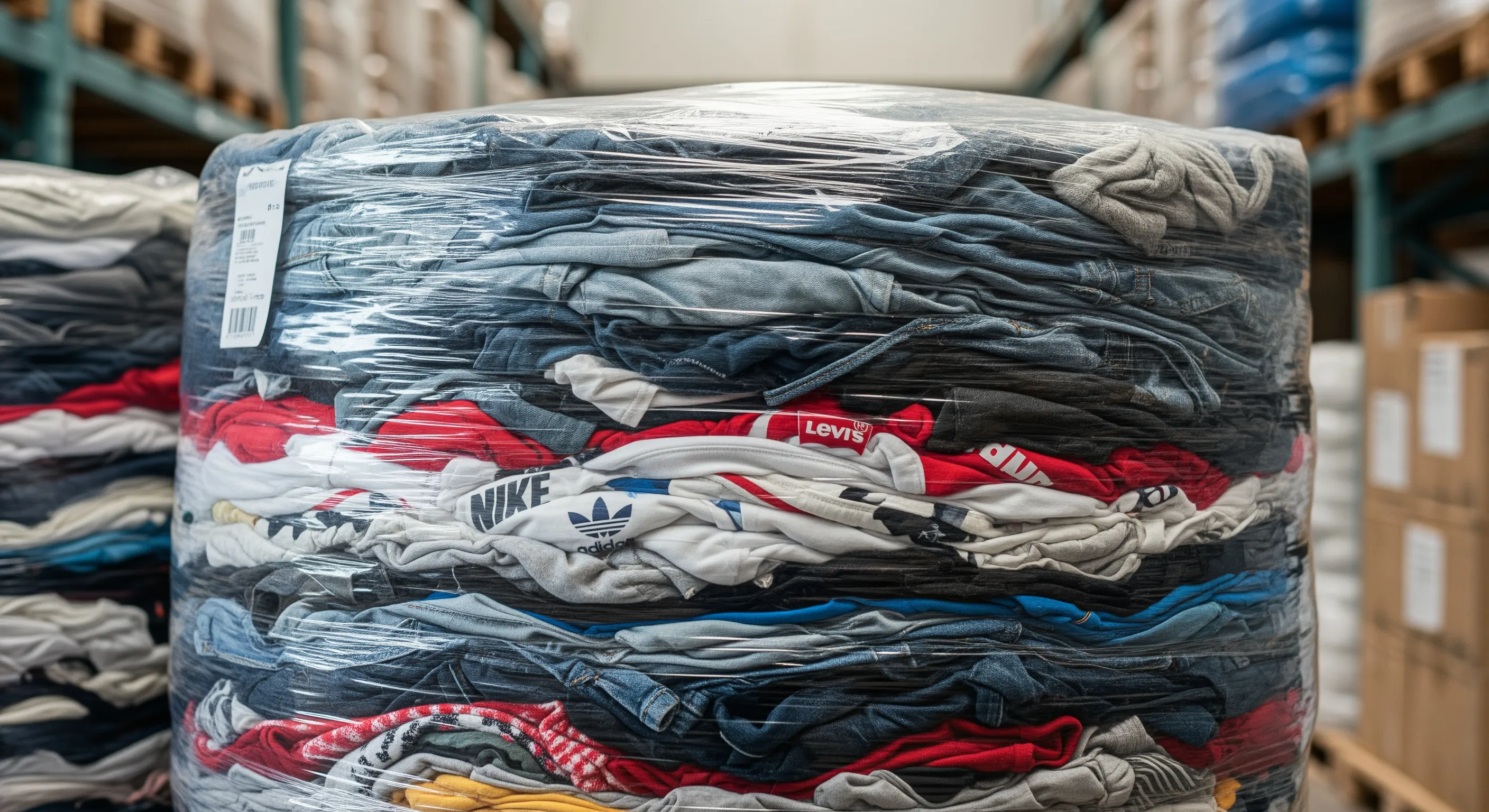
Moreover, utilizing container shipping effectively can minimize costs and risks associated with the transport of used clothing. According to EU logistics insights emphasize the importance of selecting the right shipping methods to ensure product quality upon arrival.
Pro tip: Regularly review logistics strategies to adapt to market changes and improve efficiency.
Risk Management in Bulk Clothing
Managing risks when dealing with bulk clothing orders is critical for sustaining long-term business relationships. Issues such as grading discrepancies, transit damage, and payment terms can pose challenges. Effective risk mitigation strategies are essential to safeguard investments and relationships with supply chain partners.
| Practical Risk | Cause | Mitigation |
|---|---|---|
| Grading Disputes | Differences in expectations | Implement clear grading criteria |
| Transit Damage | Poor handling during shipping | Use robust packaging |
| Compliance/Documentation | Inadequate paperwork | Ensure thorough documentation |
| Payment Terms | Misunderstandings | Clearly outline terms in contracts |
Pro tip: Regular communication with suppliers can help identify potential risks early, allowing for proactive responses.
Fostering a Circular Economy
As the second-hand clothing market matures, the concept of a circular economy becomes increasingly significant. Suppliers and retailers should collaborate on strategies that encourage recycling and sustainable practices within the industry. This not only contributes to environmental sustainability but also enhances brand reputation.
By understanding the interconnectedness of supply chains, businesses can better align their practices with circular economy principles. Leveraging resources efficiently is crucial in reducing waste and driving innovation across the sector.
Pro tip: Consider how your business practices contribute to a circular economy to foster sustainability and consumer loyalty.
Get a B2B Quote for Italian Second-Hand and Stock Clothing
For trade buyers who need consistent bulk supply, clear grading and efficient EU delivery, explore Recycling Italy at recyclingitaly.com. To request a quote or schedule a warehouse visit near Caserta, contact the team here: Contact Us.
Frequently Asked Questions
What is the minimum order quantity for bulk second-hand clothing?
The minimum order quantity typically starts at 1000 kg.
How is second-hand clothing graded?
Clothing is graded based on quality, brand recognition, and condition through a systematic approach.
What are the shipping considerations for bulk orders?
Logistics planning, customs documentation, and reliable transport routes are essential for timely delivery.
How can I mitigate risks when dealing with bulk clothing?
Implement clear grading criteria, use robust packaging, ensure thorough documentation, and clearly outline payment terms.