Wholesale Used Clothing Suppliers: Finding the Right Partner
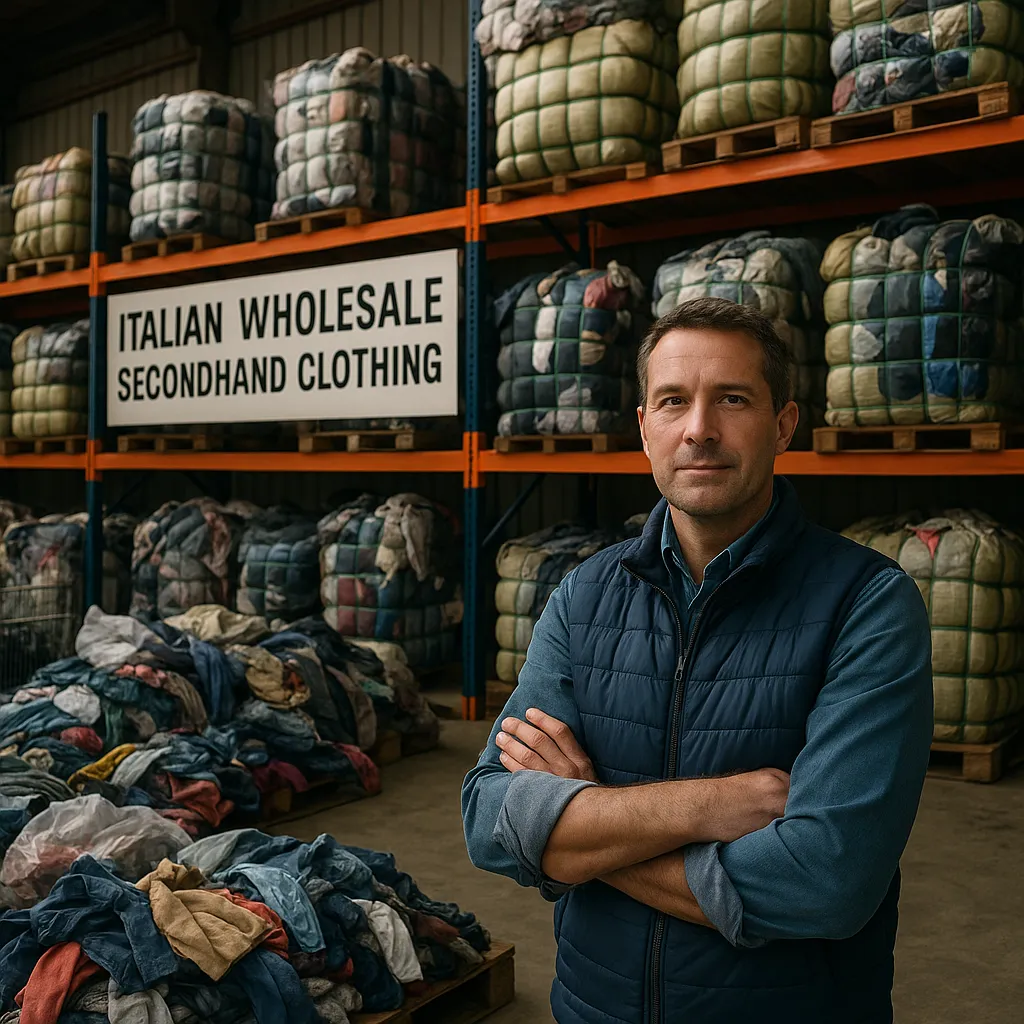
When it comes to sourcing inventory for your retail business, partnering with wholesale used clothing suppliers can be an incredibly effective strategy. These suppliers provide a diverse array of garments, allowing retailers to cater to varying customer preferences while keeping costs manageable. With the sustainable fashion movement on the rise, the demand for used clothing has surged, making it essential for businesses to align with reliable suppliers who can deliver quality products. In this guide, we will explore how to identify the right wholesale used clothing suppliers, the benefits they offer, and strategies for building a successful partnership.
Understanding the Market Demand for Used Clothing
The market for used clothing has expanded dramatically in recent years, fueled by both environmental considerations and changing consumer attitudes. Shoppers are increasingly seeking eco-friendly options, and buying used clothing not only helps reduce waste but also offers unique fashion finds. Retailers tapping into this trend can benefit from increased foot traffic and online sales. However, understanding the nuances of the used clothing market is crucial. Retailers must be aware of the types of clothing that are in demand, seasonal trends, and the demographics of their target audience. By aligning inventory with these market insights, businesses can maximize their sales potential while working with wholesale used clothing suppliers. Strategic partnerships in this sector can lead to a competitive edge, as businesses that offer trendy, sustainable options are likely to attract a loyal customer base.
Key Factors to Consider When Choosing Suppliers
Selecting the right wholesale used clothing suppliers involves several critical factors that can influence your business's success. First, consider the supplier's reputation in the industry. Researching reviews, testimonials, and case studies can provide insights into their reliability and the quality of their products. Next, evaluate their product range and pricing structure. A good supplier should offer a variety of clothing types, styles, and sizes at competitive prices, allowing you to cater to your customers’ needs effectively. Additionally, assess their shipping policies, lead times, and return policies, as these can significantly impact your operational efficiency. Lastly, verify their commitment to sustainability and ethical sourcing practices, as these factors resonate increasingly with consumers who prioritize eco-friendly businesses. By thoroughly vetting potential suppliers, you can establish a partnership that supports your business goals and aligns with your values.
Building Relationships with Your Suppliers
Maximizing Your Business Potential with Used Clothing
Utilizing wholesale used clothing suppliers can significantly enhance your business model, allowing you to offer unique products that resonate with today's environmentally conscious consumers. One of the key strategies to maximize the potential of used clothing is to curate your inventory carefully. Focus on selecting items that reflect current fashion trends, as well as timeless classics that will appeal to a broad audience. By creating a thoughtful mix of garments, you can attract diverse customer segments and increase your sales. Additionally, invest in effective marketing strategies that highlight the sustainability aspect of your products. Share stories about the origins of the clothing, promote eco-friendly practices, and engage with your audience through social media platforms. This approach not only raises awareness of your brand but also builds a community around your business. Finally, consider diversifying your sales channels by integrating online platforms alongside traditional retail spaces, thus reaching a wider audience and driving more traffic to your offerings.
Success Stories from Retailers
Many retailers have successfully transformed their businesses by partnering with wholesale used clothing suppliers, tapping into the growing market for sustainable fashion. For instance, several thrift stores have reported remarkable increases in foot traffic and sales after expanding their inventory through reliable suppliers. These success stories often highlight the importance of a strategic approach in selecting inventory that appeals to local demographics and aligns with community values. Additionally, many online boutiques have flourished by curating unique collections of used clothing sourced from various suppliers, catering to niche markets. These retailers have leveraged social media and e-commerce platforms to showcase their products, telling their stories and connecting with customers who prioritize sustainable shopping. By learning from these examples, new businesses can develop strategies that resonate with their audiences while maximizing their partnership with wholesale used clothing suppliers.
Tips for Navigating Wholesale Used Clothing Purchases
Navigating the wholesale used clothing market requires a strategic approach to ensure you’re making the best purchasing decisions for your business. Start by establishing a clear understanding of your budget and inventory needs. This will guide your purchasing decisions, helping you avoid overextending financially while ensuring you have enough variety to meet customer demand. Next, make the most of trade shows and networking events to connect with various suppliers and explore their offerings firsthand. This can provide valuable insights into product quality and supplier reliability. Additionally, don’t hesitate to negotiate terms with suppliers. Whether it’s pricing, shipping costs, or minimum order quantities, being proactive in discussions can lead to better deals and enhance your overall margins. Finally, continuously monitor your sales data to assess which items resonate most with your customers. This feedback loop can inform future purchasing decisions, ensuring that your inventory aligns with market demand and maximizes profitability.
Leveraging Online Platforms for Wholesale Purchases
The rise of digital marketplaces has transformed how retailers source wholesale used clothing. Online platforms provide a convenient way to connect with various suppliers, allowing retailers to compare prices, product ranges, and reviews all in one place. This accessibility can save time and streamline the procurement process significantly. However, it’s crucial to approach online purchases with a discerning eye. Ensure that the platforms you use are reputable and well-reviewed, as this can mitigate risks related to product quality and supplier reliability. Additionally, take advantage of online resources to educate yourself about trends in the used clothing market. Many platforms offer tools and analytics that can help you track industry shifts and consumer preferences. By leveraging these online resources effectively, you can enhance your business operations and maintain a competitive edge in the evolving landscape of retail.
FAQ
What are wholesale used clothing suppliers and how can they benefit my business?
Wholesale used clothing suppliers provide retailers with bulk quantities of second-hand garments at reduced prices. Partnering with such suppliers allows businesses to offer unique inventory that caters to the growing demand for sustainable fashion. This not only enhances the brand's appeal but also attracts environmentally conscious consumers. Additionally, purchasing in bulk helps retailers manage costs effectively, increasing their profit margins. Ultimately, working with wholesale used clothing suppliers can help businesses differentiate themselves in a competitive market while aligning with eco-friendly values.
How do I find reliable wholesale used clothing suppliers?
Finding reliable wholesale used clothing suppliers involves thorough research and networking. Start by seeking recommendations from industry contacts or checking online directories that specialize in wholesale clothing. Additionally, attending trade shows can provide opportunities to meet suppliers in person and evaluate their products. Always assess reviews and testimonials regarding potential suppliers to gauge their reliability and product quality. Engaging with online forums and communities focused on sustainable fashion can also yield valuable insights and connections.
What should I consider when negotiating prices with suppliers?
When negotiating prices with wholesale used clothing suppliers, consider factors such as order volume, shipping costs, and payment terms. Establish your budget and inventory needs upfront to guide your discussions. Don’t hesitate to ask for discounts on bulk orders or inquire about potential promotions. Building a rapport with suppliers can also lead to more favorable terms, as they may be more willing to accommodate loyal customers. Ultimately, aim for a mutually beneficial agreement that enhances both parties' profitability.
Are there risks associated with purchasing used clothing wholesale?
Yes, purchasing used clothing wholesale does come with certain risks. These can include the variability in product quality, potential for unsold inventory, and fluctuations in consumer demand. To mitigate these risks, it’s essential to work with reputable suppliers who offer guarantees or return policies. Additionally, conducting thorough inspections of the clothing before purchasing can help ensure quality. Keeping abreast of market trends and consumer preferences will also assist in making informed purchasing decisions that align with demand.
How can I market used clothing effectively?
Marketing used clothing effectively involves highlighting the unique aspects of your offerings, particularly the sustainability angle. Use social media platforms to showcase your inventory, share stories about the garments, and engage with your audience. Collaborating with influencers in the sustainable fashion space can also enhance your reach. Furthermore, consider running promotional campaigns or events to create buzz around your used clothing collections. By creating a narrative around your products and building a community, you can foster customer loyalty and drive sales.
What are the benefits of buying used clothing in bulk?
Buying used clothing in bulk offers several advantages, including lower cost per item, increased inventory variety, and better profit margins. Wholesale purchases allow retailers to stock a diverse range of styles and sizes, catering to various customer preferences while minimizing overhead costs. Additionally, bulk buying can streamline inventory management and reduce the frequency of reordering. This approach not only enhances operational efficiency but also positions businesses to respond quickly to changing market demands.