Unveiling the Benefits of Second Hand Wholesale
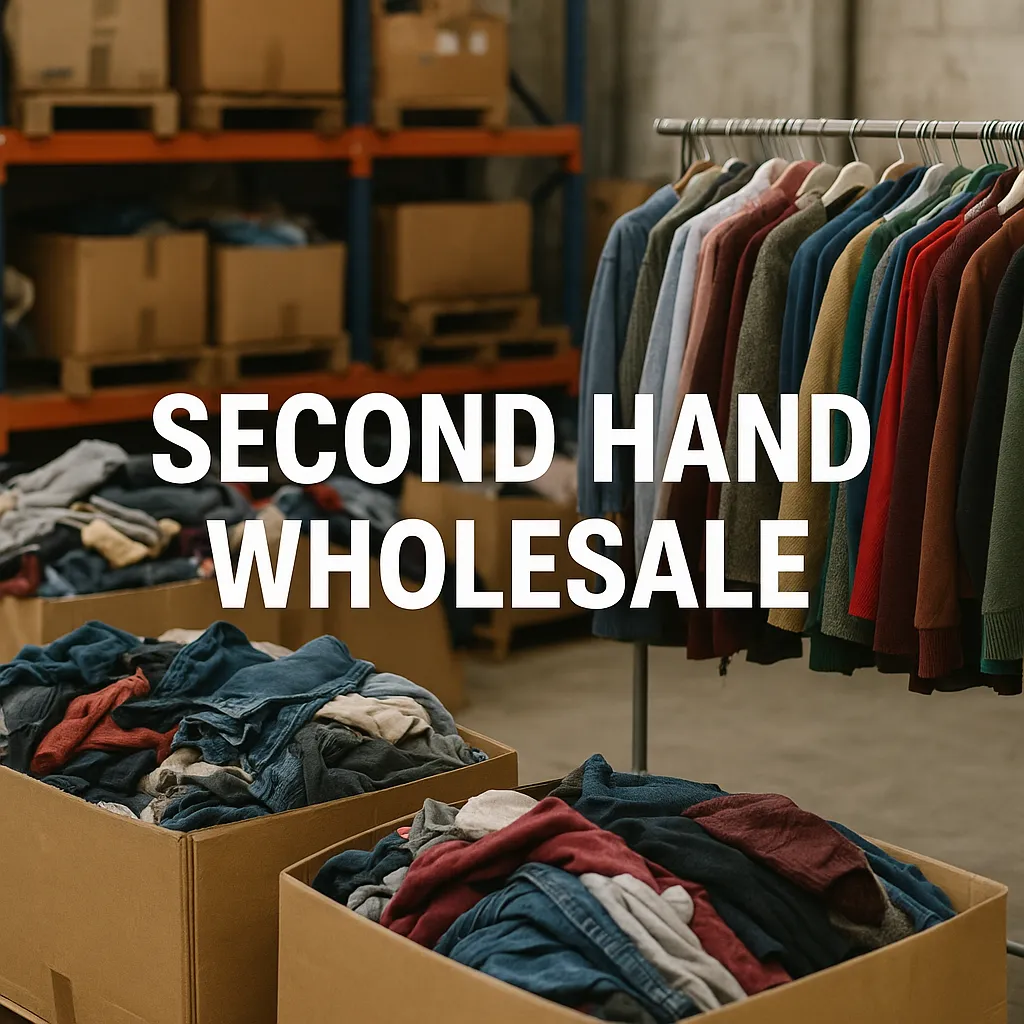
The concept of second hand wholesale has gained significant traction in recent years, driven by the increasing awareness of sustainability and the need for cost-effective solutions in retail. This approach allows businesses to procure quality used goods at a fraction of the cost of new items, providing both economic and environmental benefits. By participating in the second hand wholesale market, retailers can meet the growing consumer demand for sustainable products while also reducing their operating costs. This article delves into the various aspects of second hand wholesale, including sourcing, benefits, and best practices for retailers looking to incorporate these products into their offerings.
Understanding the Second Hand Wholesale Market
The second hand wholesale market comprises a diverse array of products, including clothing, electronics, furniture, and more. Retailers can source these items from various channels such as thrift stores, liquidation sales, and specialized wholesalers focused on second hand goods. The market dynamics are influenced by factors like consumer trends, seasonal demand, and geographical considerations. Retailers who successfully navigate this landscape can access a treasure trove of unique items that appeal to environmentally conscious consumers. Additionally, the variety within the second hand wholesale market allows retailers to differentiate themselves from competitors who primarily offer new products. By curating a selection of second hand items, businesses can attract a broader audience and foster brand loyalty among customers who value sustainability.
Benefits of Incorporating Second Hand Wholesale into Your Business
Incorporating second hand wholesale into a retail business provides numerous benefits that extend beyond cost savings. Firstly, it allows businesses to contribute positively to the environment by reducing waste and promoting the reuse of goods. This aligns with the values of many modern consumers who prioritize sustainability in their purchasing decisions. Secondly, second hand items often come with unique stories and character that new products lack, enhancing the shopping experience for customers seeking individuality. Moreover, retailers can achieve higher profit margins by purchasing second hand goods at lower prices and selling them at competitive rates. This model not only supports profitability but also encourages a circular economy where resources are utilized more efficiently. Lastly, by offering a selection of second hand products, retailers can tap into niche markets that may be underserved, thus expanding their customer base.
Sourcing Second Hand Wholesale Products
Sourcing second hand wholesale products requires a strategic approach to ensure quality and variety. Retailers can explore various avenues for procurement, including attending trade shows, partnering with local charities, or leveraging online platforms that specialize in wholesale second hand goods. Building relationships with suppliers is crucial, as it can lead to better pricing and exclusive access to high-demand items. Additionally, retailers should consider the logistics involved in sourcing second hand products, such as transportation and storage, as these factors can impact overall profitability. Conducting thorough inspections of goods before purchase is essential to maintain quality standards and meet customer expectations. By establishing a reliable supply chain and maintaining open communication with suppliers, retailers can ensure they are well-equipped to meet market demand for second hand products.
Market Trends and Consumer Preferences
Understanding market trends and consumer preferences is vital for retailers in the second hand wholesale space. Recent studies indicate a growing acceptance of second hand goods, particularly among younger consumers who are more inclined to prioritize sustainability. Social media platforms play a significant role in shaping these preferences, as influencers and advocates promote the benefits of second hand shopping. Retailers can leverage these trends by curating collections that reflect current consumer interests, such as vintage clothing or eco-friendly home goods. Additionally, incorporating storytelling into marketing efforts can enhance the appeal of second hand products, allowing consumers to connect emotionally with their purchases. By staying attuned to these trends, retailers can position themselves as leaders in the second hand wholesale market and foster lasting relationships with their customers.
Best Practices for Selling Second Hand Wholesale Products
Successfully selling second hand wholesale products involves adhering to best practices that enhance customer experience and drive sales. Firstly, creating an engaging online presence is crucial, as many consumers research products online before making a purchase. Retailers should ensure their websites are user-friendly and showcase their second hand offerings clearly. High-quality images and detailed descriptions are essential to convey the value of these products. Secondly, transparency regarding the condition of items is vital; retailers should clearly communicate any wear or imperfections to manage customer expectations. Offering flexible return policies can also help build trust and encourage purchases. Lastly, actively engaging with customers through social media and email marketing can foster a community around second hand shopping, encouraging repeat business and brand loyalty.
Conclusion
In conclusion, the second hand wholesale market presents a wealth of opportunities for retailers willing to embrace sustainability and cost-effectiveness. By understanding the dynamics of this market, sourcing quality products, recognizing consumer trends, and implementing best practices, businesses can thrive in this growing sector. Whether you're a seasoned retailer or just starting, incorporating second hand wholesale items into your inventory can set you apart in a competitive landscape. Explore our comprehensive range of products at RecyclingItaly, and consider our social mission at RecyclingItaly's Social Mission to see how we can support your business goals while making a positive impact.
FAQ
What are the advantages of dealing in second hand wholesale?
Second hand wholesale offers retailers a unique opportunity to access quality products at lower prices, which can significantly enhance profit margins. Additionally, it aligns with the growing consumer demand for sustainability, allowing businesses to attract environmentally conscious customers. Furthermore, second hand goods often come with distinctive character and stories that new items lack, appealing to shoppers seeking individuality. By incorporating second hand wholesale into retail strategies, businesses can differentiate themselves, reduce operational costs, and contribute positively to the environment.
How can I effectively source second hand wholesale products?
Effectively sourcing second hand wholesale products involves a combination of strategies, including establishing relationships with local charities, attending trade shows, and utilizing online platforms that specialize in these goods. Retailers should prioritize building strong connections with suppliers to gain access to quality inventory at competitive prices. Additionally, it's essential to conduct thorough inspections of items before purchase to ensure they meet quality standards. By diversifying sourcing methods and maintaining reliable supplier relationships, retailers can effectively stock their inventory with appealing second hand products.
What types of products are available in the second hand wholesale market?
The second hand wholesale market encompasses a wide variety of products, including clothing, electronics, furniture, and home goods. Retailers can find unique items across different categories, catering to diverse customer preferences. Popular product segments include vintage clothing, refurbished electronics, and sustainable furniture options. This diversity allows retailers to curate unique collections that resonate with consumers seeking individuality and sustainability in their purchases. By offering an eclectic range of second hand products, businesses can attract a broader customer base and enhance their market presence.
Are there risks associated with selling second hand wholesale products?
While selling second hand wholesale products presents numerous opportunities, there are also risks that retailers must navigate. One significant risk is the potential for quality issues, as second hand items may show signs of wear or damage. To mitigate this, retailers should implement thorough inspection processes and be transparent with customers about the condition of items. Additionally, fluctuating market demand for second hand goods can pose challenges, necessitating agility in inventory management. By understanding these risks and employing proactive strategies, retailers can effectively manage their second hand wholesale operations.
How do I market second hand wholesale products effectively?
Marketing second hand wholesale products effectively requires a strategic approach that highlights the unique value propositions of these items. Retailers should leverage digital channels, including social media and email marketing, to reach their target audience. Engaging content that tells the story behind each product can create emotional connections with consumers. Additionally, showcasing high-quality images and user-generated content can enhance product visibility and credibility. Offering promotions or incentives for first-time buyers can also encourage purchases. By implementing a comprehensive marketing strategy, retailers can successfully promote their second hand wholesale offerings.