Unsorted Used Clothing Wholesale: A Smart Business Choice
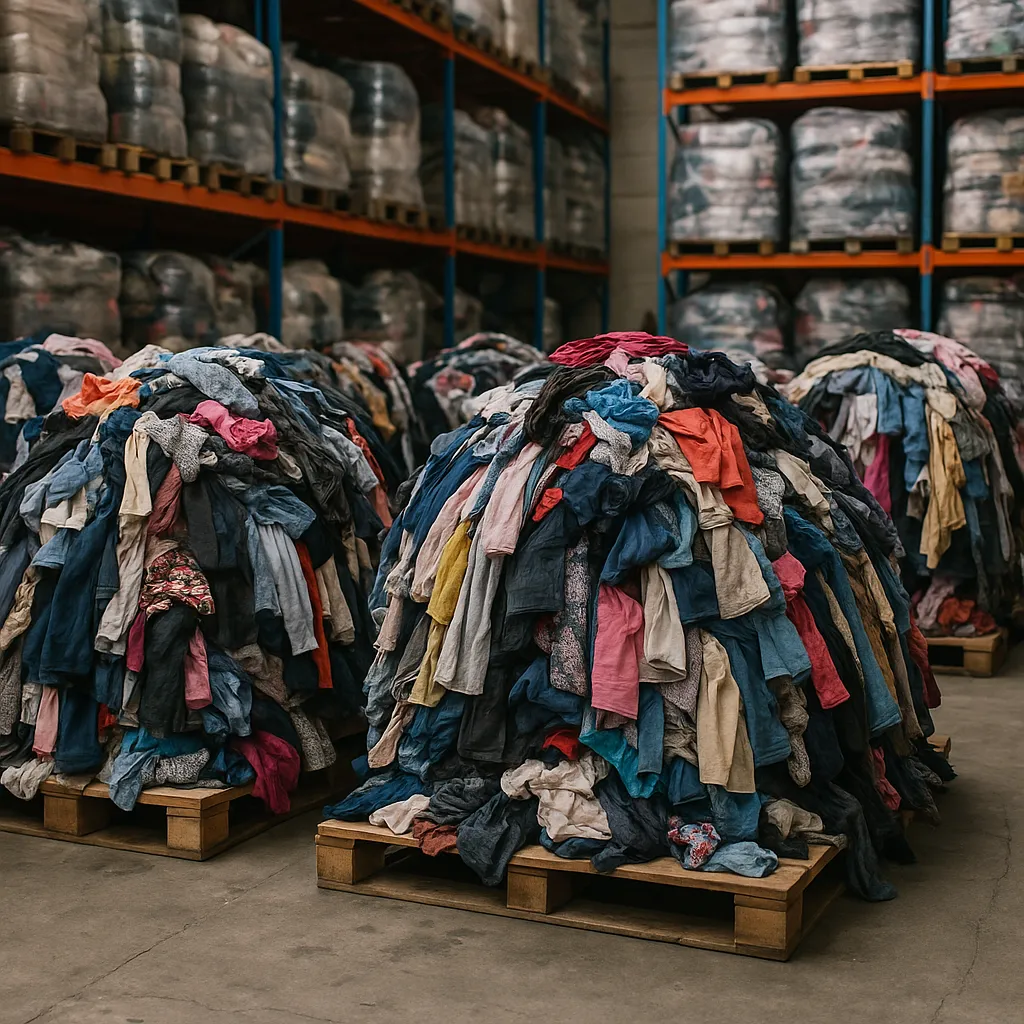
Unsorted used clothing wholesale is a lucrative opportunity for retailers looking to diversify their inventory without breaking the bank. By sourcing unsorted clothing in bulk, businesses can access a wide variety of garments that cater to different customer preferences, ranging from casual wear to formal attire. This approach not only enables sellers to offer unique products but also helps in maintaining a competitive edge in an increasingly saturated market. The demand for second-hand clothing has surged in recent years, driven by a growing awareness of sustainability and eco-conscious shopping habits. Retailers can capitalize on this trend by providing customers with quality second-hand options while benefiting from the cost-effective nature of wholesale purchases. In this article, we will delve into the various aspects of unsorted used clothing wholesale, exploring its benefits, sourcing strategies, and market trends to help you make informed decisions for your business.
The Benefits of Unsorted Used Clothing Wholesale
Engaging in unsorted used clothing wholesale offers numerous advantages for retailers. First and foremost, the cost savings associated with bulk purchasing are significant. Retailers can acquire large quantities of clothing at a fraction of the retail price, allowing for higher profit margins when reselling. Additionally, the diversity of clothing styles available in unsorted lots means that retailers can attract a broader range of customers. This diversity is particularly appealing in today's market, where consumers are increasingly seeking unique and vintage items. Furthermore, sourcing unsorted clothing supports sustainable practices by reducing waste and promoting recycling. Retailers embracing this model not only position themselves as responsible businesses but also appeal to environmentally conscious consumers. Moreover, unsorted wholesale allows for flexibility in inventory management; retailers can select and curate items that align with their brand identity, ensuring a tailored shopping experience for their customers. In summary, the benefits of unsorted used clothing wholesale are manifold, offering both financial and ethical advantages.
How to Source Unsorted Used Clothing Wholesale
Sourcing unsorted used clothing wholesale involves navigating various channels and establishing relationships with suppliers. One of the most common methods is connecting with wholesalers who specialize in second-hand clothing. These wholesalers often have established networks for sourcing clothing from charitable organizations, thrift stores, and manufacturers. Retailers can benefit by attending trade shows and industry events where they can meet potential suppliers and negotiate contracts. Another avenue for sourcing is through online platforms that cater to wholesale buyers, providing access to a wide range of products at competitive prices. Additionally, building relationships with local charities and non-profits can yield opportunities for acquiring unsorted clothing directly, often at lower costs. As with any wholesale endeavor, due diligence is essential; retailers should thoroughly vet suppliers to ensure product quality and reliability. Establishing a consistent supply chain will enhance inventory turnover and enable retailers to meet customer demand efficiently. By leveraging these sourcing strategies, businesses can effectively tap into the unsorted used clothing market.
Understanding Market Trends in Second-Hand Clothing
In recent years, the second-hand clothing market has experienced significant growth, fueled by changing consumer attitudes toward fashion and sustainability. A key trend is the increasing popularity of thrift shopping, particularly among younger generations who prioritize unique finds and environmentally friendly practices. Social media platforms have played a pivotal role in promoting this trend, with influencers showcasing thrifted outfits and encouraging their followers to explore second-hand options. Additionally, the rise of vintage fashion has heightened demand for unsorted clothing, as consumers seek one-of-a-kind pieces that reflect their individuality. Moreover, the impact of the COVID-19 pandemic has led to a shift in consumer behavior, with many opting for budget-friendly alternatives to fast fashion. Retailers must stay informed about these market trends to effectively cater to their target audience. By understanding consumer preferences and adapting their inventory accordingly, businesses can position themselves for success in the ever-evolving second-hand clothing landscape.
Strategies for Selling Unsorted Used Clothing
Successfully selling unsorted used clothing wholesale requires effective marketing and sales strategies tailored to the unique characteristics of second-hand items. One effective approach is to create an appealing online presence through e-commerce platforms and social media. Retailers can showcase their curated selections, highlighting the stories behind individual pieces and emphasizing their quality and uniqueness. Engaging content, such as styling tips and sustainability messages, can resonate with consumers and encourage them to purchase. Additionally, hosting pop-up shops or participating in local markets can provide opportunities for direct customer interaction, allowing retailers to build brand loyalty and receive immediate feedback. Establishing a strong brand identity that aligns with eco-conscious values can attract a dedicated customer base. Furthermore, offering incentives such as discounts for bulk purchases or loyalty programs can encourage repeat business and enhance customer retention. By leveraging both online and offline strategies, retailers can create a compelling shopping experience that drives sales of unsorted used clothing.
Maintaining Quality Control in Unsorted Clothing
Quality control is paramount when dealing with unsorted used clothing, as it directly impacts customer satisfaction and brand reputation. Retailers must implement stringent quality assessment procedures upon receiving shipments. This includes inspecting garments for wear and tear, ensuring cleanliness, and checking for missing buttons or zippers. Establishing clear criteria for acceptable quality levels will help streamline the sorting process. It is also beneficial to provide training for staff involved in the sorting and quality control process to ensure consistency. Additionally, retailers should maintain open lines of communication with suppliers to address any quality concerns promptly. By prioritizing quality control, businesses can mitigate the risk of customer returns and enhance their overall brand perception. Ultimately, a commitment to quality will not only satisfy customers but also foster long-term loyalty, driving success in the unsorted used clothing wholesale market.
FAQ
What is unsorted used clothing wholesale?
Unsorted used clothing wholesale refers to the bulk purchase of second-hand garments that have not been specifically sorted or categorized. Retailers buy these clothing lots, which contain a diverse mix of items, including various styles, sizes, and conditions. This wholesale model allows businesses to acquire a wide range of products at reduced prices, enabling them to cater to different customer preferences while maximizing profit margins. Moreover, unsorted lots often include unique or vintage pieces, appealing to consumers looking for distinctive fashion options. By sourcing unsorted used clothing, retailers can tap into the growing demand for sustainable and affordable fashion alternatives.
How can I start a business with unsorted used clothing wholesale?
Starting a business with unsorted used clothing wholesale involves several key steps. First, research potential suppliers who specialize in second-hand clothing and evaluate their offerings. Once you've identified reliable sources, establish relationships and negotiate terms for purchasing bulk clothing lots. It's essential to develop a clear business plan that outlines your target market, pricing strategy, and marketing approach. Consider creating an online store or utilizing social media platforms to showcase your inventory and attract customers. Additionally, invest time in understanding market trends and consumer preferences to curate a selection that resonates with your audience. With dedication and strategic planning, you can successfully launch a thriving business in the unsorted used clothing wholesale sector.
What types of clothing are typically found in unsorted lots?
Unsorted used clothing lots typically contain a diverse assortment of garments, including casual wear, formal attire, outerwear, and accessories. The variety usually encompasses different styles, sizes, and brands, providing retailers with a broad selection to choose from. Common items include t-shirts, jeans, dresses, jackets, and shoes, often sourced from donations, overstock, or unsold inventory. Some lots may contain vintage or unique pieces, appealing to customers seeking one-of-a-kind fashion. However, due to the nature of unsorted clothing, the quality and condition of items can vary, making effective quality control essential for retailers. By understanding the typical contents of unsorted lots, businesses can better prepare for the sorting and resale process.
How do I ensure quality in unsorted used clothing?
Ensuring quality in unsorted used clothing involves implementing a thorough quality control process. Upon receiving shipments, retailers should inspect each item for any signs of wear, stains, or damage. Establishing clear criteria for acceptable quality levels will streamline the sorting process and help maintain consistency. It's also beneficial to train staff involved in sorting to identify items that meet quality standards. To further enhance quality assurance, maintain open communication with suppliers regarding product conditions and address any concerns promptly. By prioritizing quality control, retailers can reduce the risk of customer dissatisfaction and returns, ultimately supporting brand loyalty and long-term success in the unsorted used clothing wholesale market.
What are the advantages of selling second-hand clothing?
Selling second-hand clothing offers numerous advantages for retailers, including cost-effectiveness, sustainability, and consumer appeal. By sourcing unsorted used clothing wholesale, businesses can acquire inventory at significantly lower prices than new garments, leading to higher profit margins. Additionally, the growing consumer demand for sustainable fashion choices aligns well with the second-hand market, appealing to eco-conscious shoppers. Retailers can differentiate themselves by offering unique, vintage, or hard-to-find items that stand out in a crowded market. Furthermore, selling second-hand clothing fosters a circular economy by promoting recycling and waste reduction. Ultimately, the advantages of selling second-hand clothing create a compelling business opportunity for retailers looking to thrive in the current fashion landscape.
| Garment Type | Average Cost | Market Demand | Condition | Supplier Source |
|---|---|---|---|---|
| T-shirts | $1.50 | High | Good | Charity Donations |
| Jeans | $3.00 | Medium | Fair | Thrift Stores |
| Dresses | $4.00 | High | Good | Overstock |
| Jackets | $5.00 | Medium | Good | Manufacturer Returns |
| Shoes | $2.50 | High | Fair | Clearance Sales |
If you're interested in exploring our range of unsorted used clothing wholesale, we invite you to check our products. For more information about our initiatives, visit our social mission page. We are committed to providing high-quality second-hand clothing while supporting sustainable practices. Join us in making a positive impact!
Disclaimer: The information provided in this article is for informational purposes only and does not constitute professional advice. Please conduct your own research before making any business decisions.