Second Hand Clothes Wholesale: Your B2B Guide
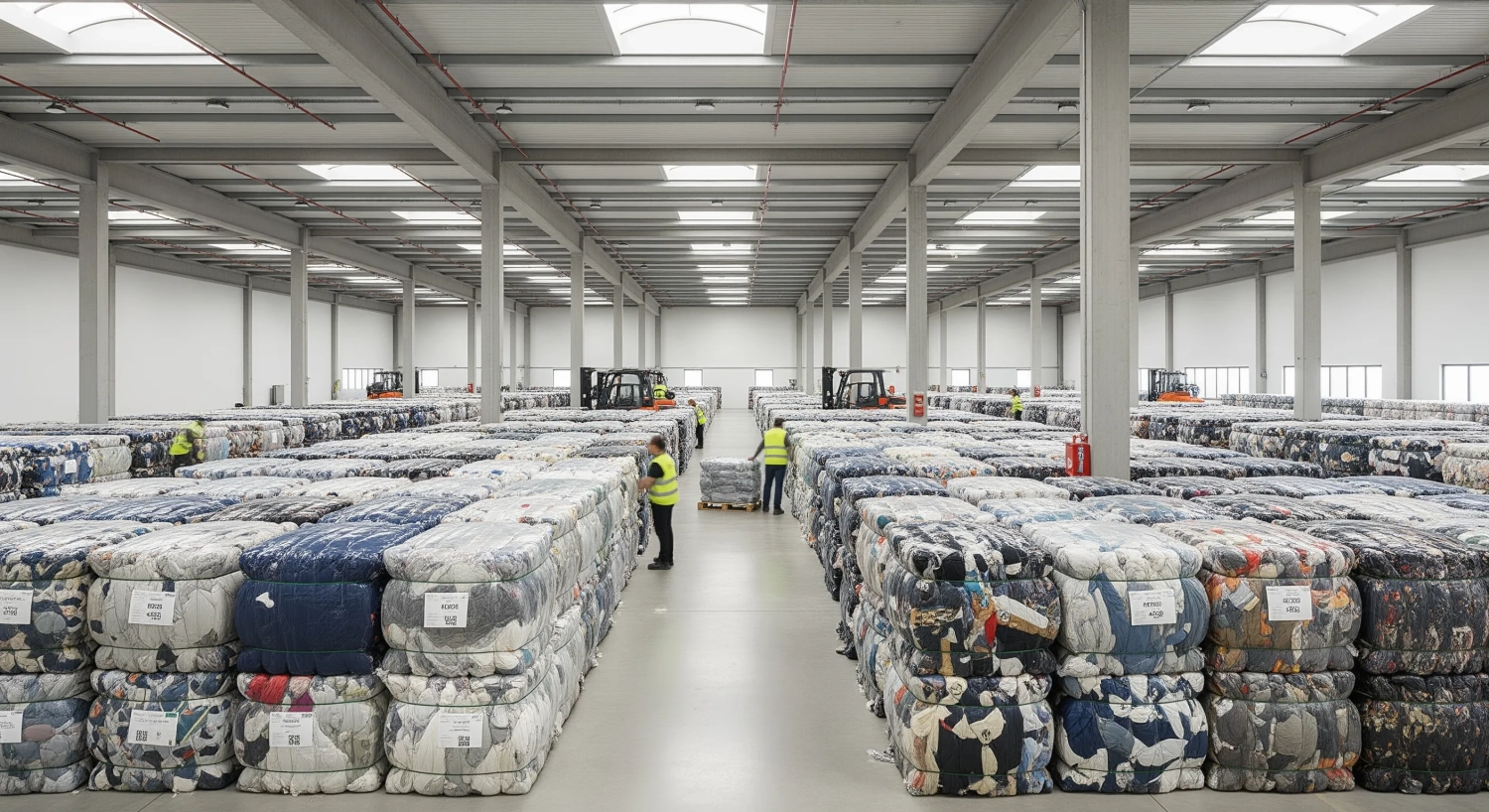
In the dynamic landscape of the Italy and Europe market, second hand clothes wholesale provides a unique opportunity for B2B trade buyers. Operating from the strategic logistics hub of Caserta, Recycling Italy bridges regional supplier networks and sellers of used clothing. Bulk purchases enable businesses to meet customer demand sustainably while ensuring profitability. Suppliers here adhere to rigorous grading standards, optimizing the quality of available stock for wholesale transactions.
Table of Contents
- Benefits of Second Hand Clothing for B2B
- Understanding the Second Hand Clothing Market
- Ethical Considerations in Second-Hand Trade
- Sustainability and Logistics in Wholesale
- Risk Mitigation in Bulk Trade
- Exploring Supplier Options
Key Takeaways
| Aspect | Description |
|---|---|
| Minimum Order Quantity | Typically starts at 1000 kg, facilitating significant stock purchases. |
| Grading Standards | Strict adherence to quality verification processes to ensure optimal resale value. |
| Logistics | Leveraging Italy's advanced logistics capabilities for efficient distribution across Europe. |
| Risk Control | Thorough documentation and payment terms help mitigate transaction risks in the wholesale chain. |
Benefits of Second Hand Clothing for B2B
The benefits of engaging in second hand clothes wholesale extend beyond mere cost savings. Trade buyers can capitalize on the growing consumer preference for sustainable fashion, tapping into an increasingly aware market. Plus, offering second hand apparel can enhance brand image as a forward-thinking, eco-conscious business.
Additionally, sourcing second hand clothing in bulk allows for a diverse range of products, appealing to various demographics. This adaptability can result in increased customer satisfaction and retention.
Understanding the Second Hand Clothing Market
Understanding the intricacies of the second hand clothing market is essential for B2B businesses. According to a recent case study, the current trends reveal a diverse fabric of wholesalers, each catering to different segments of the market.
This market competitiveness necessitates an agile business approach, allowing wholesalers to adapt quickly to shifts in trends and customer preferences. Ensuring compliance with regulations in cross-border transactions is paramount for EU operations.
Ethical Considerations in Second-Hand Trade
As the second-hand clothing market evolves, it's critical to address the ethical implications. The environmental benefits of reusing clothing contribute positively to sustainability, but ethical dilemmas arise in global trade dynamics. A relevant study analyzes these issues and emphasizes the need for a balanced approach in ethical sourcing practices in international markets.
Considering the lives impacted by these trades and ensuring fair practices across the sourcing chain will enhance the overall legitimacy of the second hand clothing sector.
Sustainability and Logistics in Wholesale
Sustainability is at the forefront of the second-hand clothing wholesale model, promoting a circular economy that minimizes waste. Effective logistics systems are crucial for maintaining the balance between supply and demand in this sector. As noted in research from MDPI, robust logistics frameworks can enable faster turnover and efficient shipping across Europe.
Investing in sustainable logistics solutions not only reduces carbon footprint but also enhances operational efficiency, making it a win-win for both businesses and the environment.
Risk Mitigation in Bulk Trade
Engaging in bulk trade carries inherent risks, yet effective mitigation strategies can alleviate potential pitfalls. Common issues include grading disputes and compliance-related challenges. Establishing clear documentation processes can significantly reduce incidences of errors.
In terms of payment terms, offering flexible arrangements can improve trust between wholesalers and buyers, further solidifying business relationships.
| Risk | Cause | Mitigation |
|---|---|---|
| Grading Disputes | Variability in quality assessment | Robust grading criteria and transparent communication |
| Transit Damage | Poor packaging or handling | Invest in durable packaging and training |
| Compliance Issues | Regulatory misalignment across borders | Ensure adherence to local and EU regulations |
| Payment Terms | Lack of trust | Implement clear invoicing and flexible payment options |
Exploring Supplier Options
Finding the right suppliers is crucial in the second-hand clothing wholesale business. This consideration involves assessing potential partners for reliability, quality and compliance. Opportunities for collaboration with existing networks can expedite the procurement process.
Understanding market needs and different grading systems will help buyers select the right stock for their clientele, ultimately leading to improved margins and customer satisfaction.
Pro tip: Staying informed about market trends and maintaining good relationships with suppliers can lead to better deals and exclusive opportunities in the second-hand clothing space.
Get a B2B Quote for Italian Second-Hand and Stock Clothing
For trade buyers who need consistent bulk supply, clear grading and efficient EU delivery, explore Recycling Italy at recyclingitaly.com. To request a quote or schedule a warehouse visit near Caserta, contact the team here: Contact Us.
Frequently Asked Questions
What is the minimum order quantity for second hand clothing?
The minimum order quantity typically starts at 1000 kg.
How do I ensure quality in my second-hand purchases?
Establishing relationships with reliable suppliers and adhering to grading standards will help ensure quality.
What are the key logistics considerations?
Being aware of regulatory compliance and having efficient shipping methods is crucial in the logistics of second-hand clothing.
Can I expect sustainability benefits from buying second-hand?
Yes, purchasing second-hand clothing contributes to sustainability by reducing waste and promoting a circular economy.