Understanding Used Clothing Wholesale for Sustainable Fashion
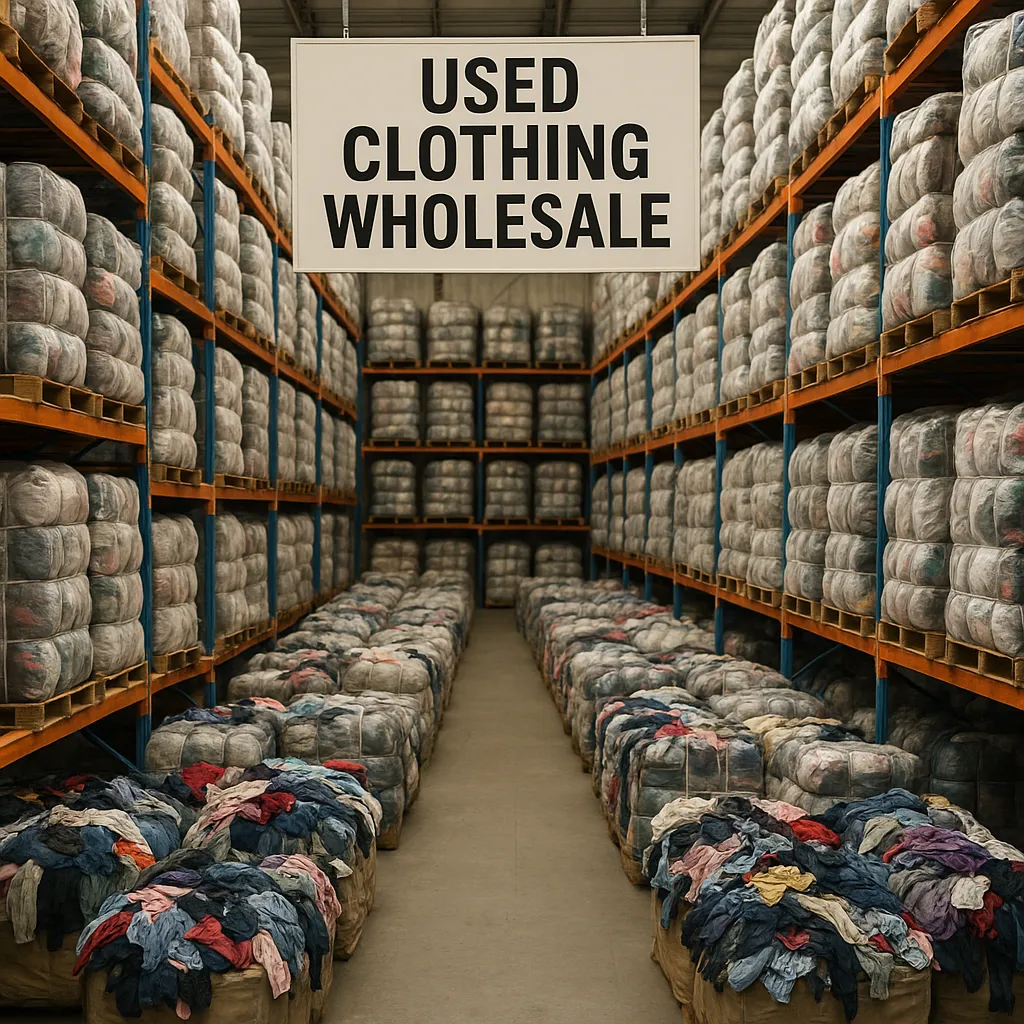
Used clothing wholesale is becoming an increasingly popular choice for retailers looking to offer affordable yet sustainable fashion options. As more consumers recognize the environmental impact of fast fashion, they are turning to second-hand clothing as an alternative. This shift not only helps reduce waste but also allows businesses to provide unique items at a lower cost. With the rise in demand for sustainable products, the wholesale market for used clothing is thriving, offering a diverse range of apparel that meets the needs of eco-conscious shoppers. Retailers can capitalize on this trend by sourcing used clothing in bulk, creating a win-win situation for both their businesses and the planet.
The Benefits of Sourcing Used Clothing Wholesale
Sourcing used clothing wholesale provides numerous benefits that extend beyond mere cost savings. One of the most significant advantages is the ability to offer unique and diverse inventory that appeals to a wide range of customers. Unlike traditional retail, where styles can become repetitive, used clothing allows for a curated selection that emphasizes individuality and style diversity. Additionally, buying in bulk can lead to substantial savings, enabling retailers to maintain competitive pricing while still ensuring quality. This approach not only attracts budget-conscious consumers but also those who are passionate about sustainable shopping. Furthermore, purchasing wholesale used clothing can enhance a retailer’s brand image, as sustainability and eco-friendliness are increasingly valued by today’s shoppers. By aligning their business practices with these values, retailers can foster customer loyalty and differentiate themselves in a crowded market.
How to Choose the Right Supplier for Used Clothing Wholesale
Choosing the right supplier for used clothing wholesale is crucial for ensuring quality and sustainability. Retailers should look for suppliers who prioritize ethical sourcing and have a transparent supply chain. A reputable supplier will provide detailed information about the origin of their clothing, including how it is collected and processed. It is also essential to assess the quality of the clothing being offered. Retailers can request samples before committing to larger orders, allowing them to evaluate fabric quality and overall condition. Furthermore, suppliers that offer customization options can help retailers tailor their inventory to meet specific customer demands, ensuring a better fit for their target market. Communication is key; establishing a good relationship with suppliers can lead to more favorable terms, including pricing and delivery options. By carefully selecting their suppliers, retailers can create a robust and appealing product offering that resonates with consumers.
Marketing Strategies for Selling Used Clothing
Marketing used clothing wholesale requires a unique approach that highlights the benefits of second-hand fashion. One effective strategy is to tell the story behind each piece, emphasizing its unique history and environmental impact. Utilizing social media platforms can also enhance visibility and engagement. Sharing visually appealing images of the clothing, along with styling tips, can attract potential customers and create a sense of community among eco-conscious shoppers. Collaborating with influencers who advocate for sustainable fashion can further amplify reach and credibility. Additionally, retailers should consider hosting events or pop-up shops that showcase their offerings in an engaging manner. These events can create buzz and foster a direct connection with customers, allowing them to experience the quality of the clothing firsthand. Through targeted marketing efforts, retailers can effectively position themselves as leaders in the sustainable fashion movement.
FAQ
What is used clothing wholesale?
Used clothing wholesale refers to the business model of purchasing second-hand garments in bulk from suppliers to resell them to retailers or consumers. This approach allows businesses to offer a diverse range of styles while promoting sustainability. By sourcing used clothing, retailers can provide unique products at lower prices, making it an appealing option for budget-conscious consumers. Additionally, this model supports the circular economy, reducing waste and promoting environmentally friendly practices. As a result, many businesses are exploring the advantages of used clothing wholesale as they seek to align with growing consumer demand for sustainable fashion.
How can used clothing wholesale benefit my retail business?
Used clothing wholesale can significantly benefit retail businesses by providing a cost-effective way to diversify inventory. This allows retailers to offer unique pieces that attract a broader customer base, catering to those seeking sustainable fashion options. By purchasing in bulk, retailers can reduce costs and maintain competitive pricing, which can lead to increased sales volume. Furthermore, promoting the eco-friendly aspects of selling used clothing can enhance brand image, fostering customer loyalty among environmentally conscious consumers. This business model not only supports sustainability but also opens up new marketing avenues that resonate with today's shoppers.
What should I look for in a supplier of used clothing?
When selecting a supplier for used clothing wholesale, it is essential to prioritize ethical sourcing and transparency. Look for suppliers that provide detailed information about their collection and processing methods to ensure quality and sustainability. Assessing the quality of the clothing through samples can help determine if it meets your standards. Additionally, consider suppliers that offer customization options to tailor inventory to your target market's preferences. Establishing strong communication with your supplier can also foster a beneficial partnership, leading to better pricing and terms in the long run.
How do I market used clothing effectively?
Marketing used clothing effectively involves emphasizing the unique stories behind each piece and highlighting the environmental benefits of second-hand fashion. Utilize social media to share appealing visuals and styling ideas that resonate with eco-conscious consumers. Collaborating with influencers who advocate for sustainable fashion can expand your reach and credibility. Hosting events or pop-up shops to showcase your offerings can create a direct connection with customers, enhancing their shopping experience. By implementing these strategies, retailers can position themselves as leaders in the sustainable fashion market, attracting loyal customers.
Can I make a profit selling used clothing wholesale?
Yes, selling used clothing wholesale can be profitable, especially when approached strategically. By sourcing quality items in bulk at lower prices, retailers can maintain competitive pricing while still achieving healthy profit margins. The growing consumer demand for sustainable fashion provides an opportunity to attract a wide range of customers, enhancing sales potential. Additionally, effective marketing strategies and a strong brand presence can further increase profitability. By aligning with eco-friendly values and offering unique products, retailers can create a successful business model around used clothing wholesale.
What types of used clothing are in demand?
The demand for used clothing varies, but certain types consistently attract attention. Vintage and designer pieces often hold significant appeal due to their uniqueness and quality. Additionally, casual and athleisure wear have gained popularity, particularly among younger consumers. Seasonal items, such as coats in the winter and summer dresses, can also see heightened demand during their respective seasons. Understanding market trends and customer preferences is essential for effectively sourcing and marketing used clothing that resonates with your target audience.