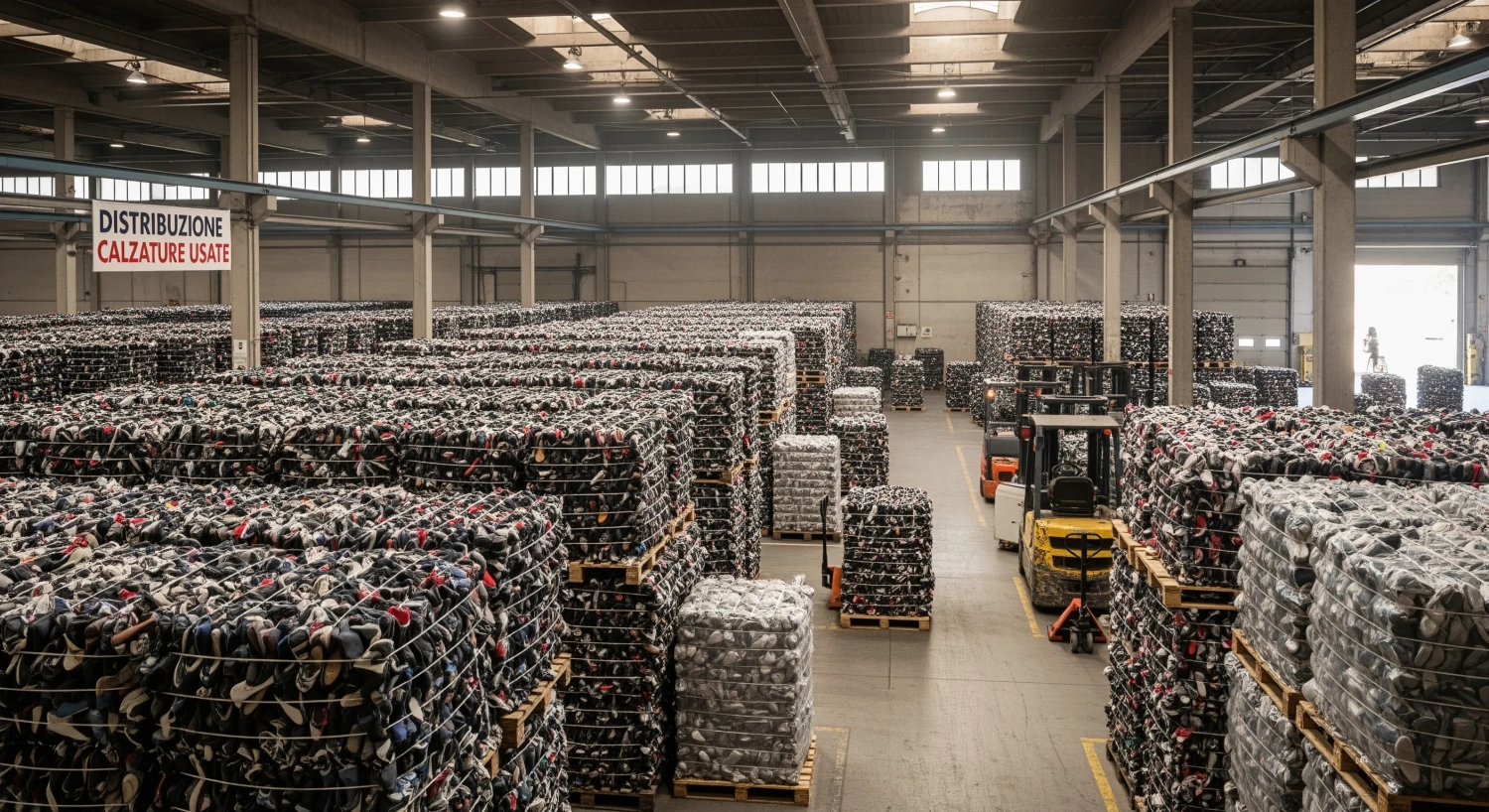
In the evolving landscape of the footwear market, sourcing used shoes wholesale has become a practical strategy for B2B buyers in Italy and across Europe. With Marcianise Sud, located in Caserta, Italy, serving as a key logistics hub, local suppliers offer access to bulk second-hand footwear that fits diverse needs. This guide explores essential tips, helping trade buyers maximize their stock while ensuring compliance with European regulations and maintaining sustainability in the supply chain.
Table of Contents
- Understanding the Wholesale Market
- Key Quality Considerations
- Sourcing Strategies for B2B Buyers
- Logistics and Customs Considerations
- Risk Mitigation in Transactions
- Successful Partnerships with Italy Suppliers
Key Takeaways
| Aspect | Details |
|---|---|
| Minimum Order Quantity | Typically starting at 1000 kg for bulk orders. |
| Quality Grading | Utilize established grading systems to ensure product quality. |
| Logistics Considerations | Consider EU shipping options and the costs involved. |
| Margin Control | Negotiate prices to optimize your profit margins. |
Understanding the Wholesale Market
The wholesale market for used shoes has expanded significantly, driven by sustainability trends and consumer demand for affordable options. Trade buyers play a vital role in this ecosystem, sourcing second-hand footwear that meets the needs of various retail formats.
In Italy, numerous suppliers are capable of providing bulk quantities tailored to diverse market demands. It's essential for buyers to understand the types of used shoes available, including those that are condition-graded and ready for resale.
Pro tip: Familiarize yourself with different suppliers' grading systems to make informed purchasing decisions.
Key Quality Considerations
Quality is crucial when sourcing used shoes wholesale to ensure customer satisfaction and minimize returns. Assessing the condition of footwear should be a priority. Many suppliers offer an array of quality grades, allowing buyers to select according to their target market.
Additionally, exploring suppliers’ quality assurance processes helps in establishing trust and ensuring consistent product quality. Selecting suppliers with robust grading and sorting standards can lead to better inventory management.
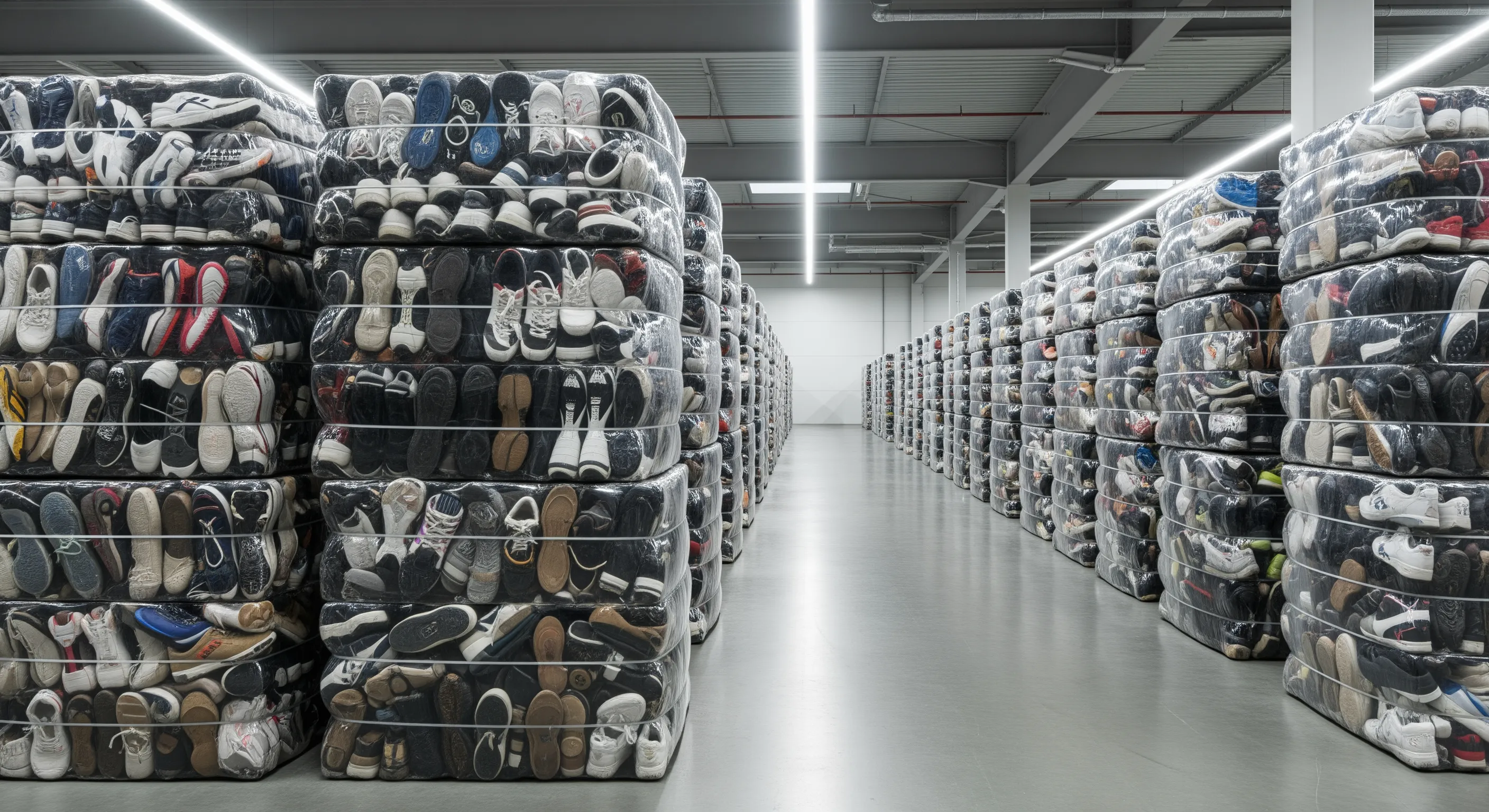
Pro tip: Always request samples before committing to a larger order to assess quality first-hand.
Sourcing Strategies for B2B Buyers
For successful wholesale sourcing, implementing strategic approaches is essential. Building relationships with reliable suppliers is key, as it can lead to exclusive offers and first access to new stock. Networking at trade fairs and industry exhibitions is another effective way to discover new suppliers.
Moreover, consider digital platforms that connect buyers to suppliers, streamlining the process of sourcing used shoes. These platforms often provide reviews and ratings, enhancing your confidence in the suppliers you choose.
Pro tip: Leverage feedback from other trade buyers to refine your sourcing strategy.
Logistics and Customs Considerations
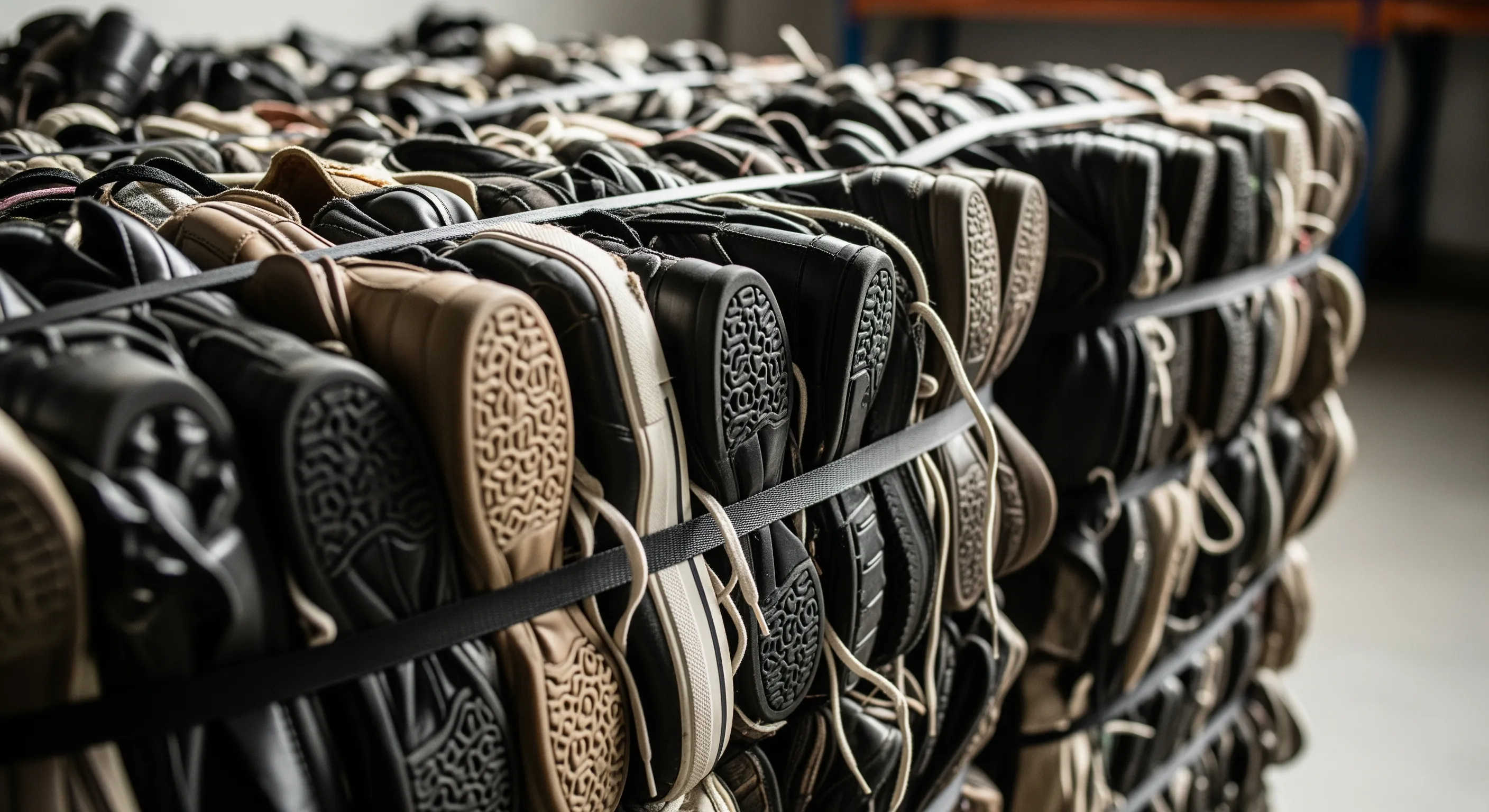
Logistics plays a significant role in the wholesale procurement of used shoes, particularly in ensuring timely delivery and cost efficiency. Understanding the nuances of EU customs regulations is essential for seamless transactions.
Coordinate with suppliers to ensure that all necessary documentation is in order, which helps in averting delays at customs checkpoints. Take time to explore shipping options to find the best balance between cost and delivery speed.
Pro tip: Always stay updated on changes in customs regulations that could impact your shipments.
Risk Mitigation in Transactions
Mitigating risk is crucial when sourcing used shoes wholesale. Establish clear payment terms and conditions ahead of time to avoid disputes. Be cautious when dealing with new suppliers and consider using escrow services to protect your funds until you receive the goods.
Additionally, ensure proper insurance coverage to protect your shipments against damages during transit. Failure to manage risk can lead to significant financial setbacks.
Pro tip: Keep comprehensive records of transactions and communications to protect your interests.
Successful Partnerships with Italy Suppliers
Collaboration with suppliers in Italy can lead to fruitful partnerships. Building long-term relationships fosters trust and opens up opportunities for better pricing and priority access to stock.
Attend local trade shows to meet face-to-face with suppliers and understand their business operations better. This personal engagement can result in more favorable terms and reinforce your credibility in the market.
Pro tip: Nurture your supplier relationships by maintaining open communication and professionalism.
Get a B2B Quote for Italian Second-Hand and Stock Clothing
For trade buyers who need consistent bulk supply, clear grading and efficient EU delivery, explore Recycling Italy at recyclingitaly.com. To request a quote or schedule a warehouse visit near Caserta, contact the team here: Contact Us.
Frequently Asked Questions
What are the benefits of sourcing used shoes wholesale?
Sourcing used shoes wholesale can provide cost savings, access to unique products, and support sustainable practices.
How can I ensure quality when purchasing used shoes?
Request samples and familiarize yourself with the grading systems used by your suppliers.
What logistics should I consider?
Evaluate shipping costs, customs regulations, and necessary documentation to ensure smooth processing.
How do I establish a relationship with suppliers?
Engage with suppliers at trade shows and maintain open lines of communication to build trust.