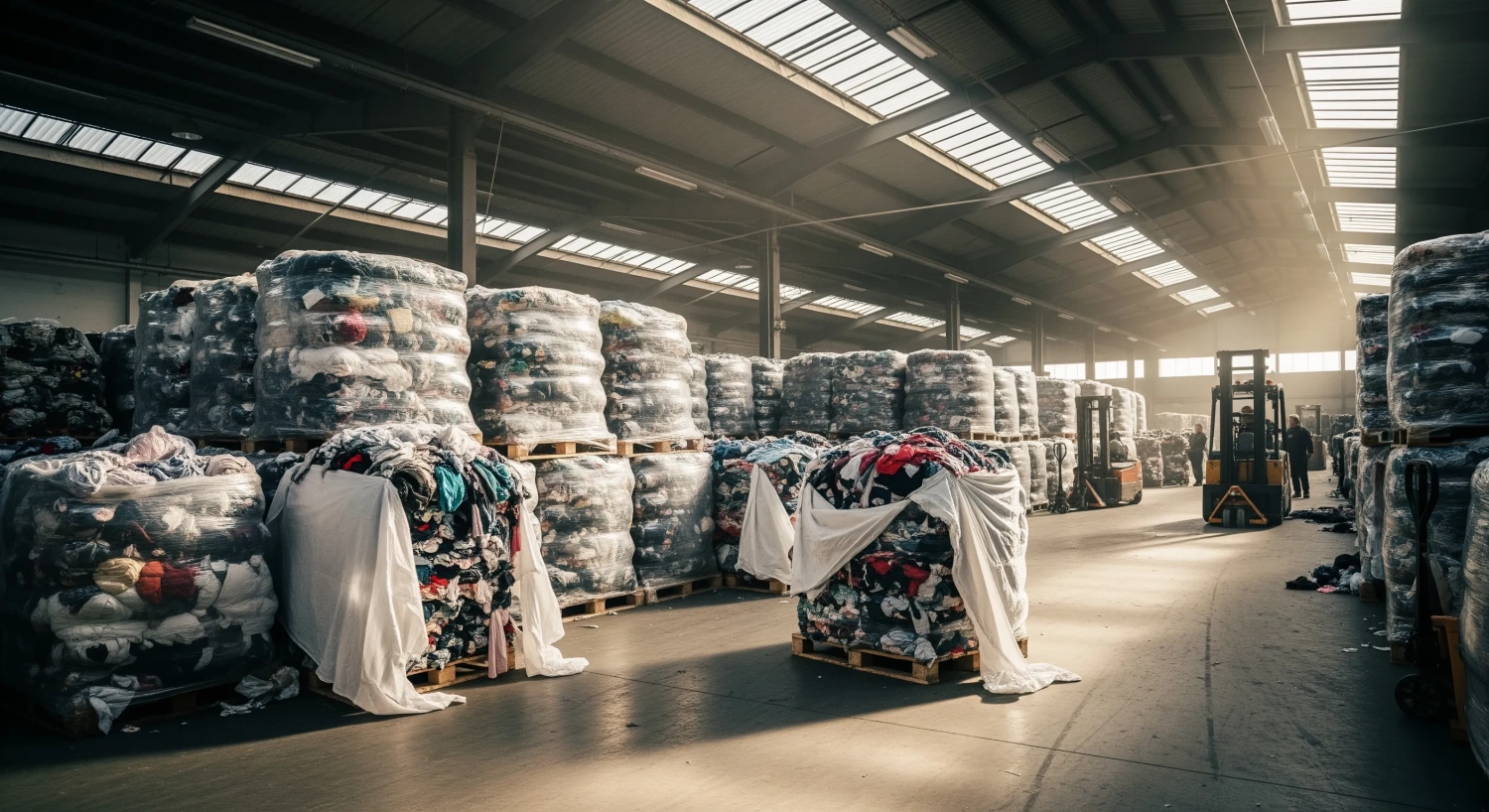
Located in the logistics hub of Marcianise Sud, Caserta, Italy, Recycling Italy serves as a central node for B2B wholesale trade in second-hand clothing across Europe. With an emphasis on sustainability and the circular economy, our company provides high-quality used clothing at competitive prices. This guide is crafted to help trade buyers navigate the best sources for wholesale used clothing options, ensuring clarity in sourcing and logistics.
Table of Contents
- Understanding the EU Used Clothing Market
- Sources of Wholesale Used Clothing
- Ethical Considerations in Sourcing
- The Role of Circular Economy
- The Logistics of Importing Used Clothing
- Mitigating Risks in Bulk Trade
Key Takeaways
| Aspect | Details |
|---|---|
| Minimum Order Quantity | Typically 1000 kg for trade orders |
| Grading Standards | Adhere to EU regulations for quality assurance |
| Logistics | Efficient transport routes available across Europe |
| Risk Management | Proactive monitoring of compliance and documentation |
Understanding the EU Used Clothing Market
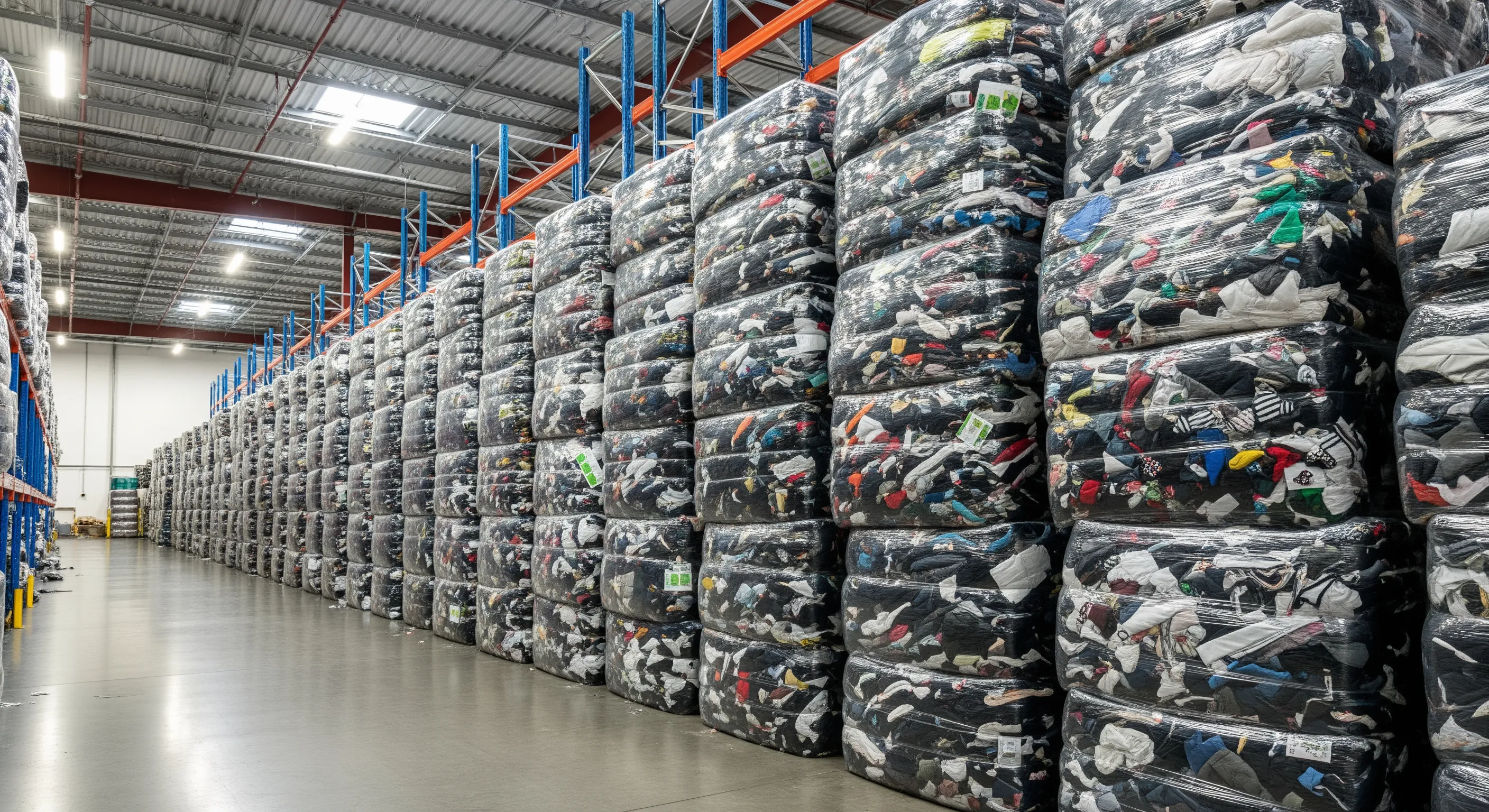
The market for used clothing in Europe has seen a remarkable increase, driven by consumer demand for sustainable fashion alternatives. According to a study by MDPI, the collection and distribution processes of second-hand clothing have shifted significantly, reflecting the growing awareness of environmental sustainability.
This insightful market shift offers B2B buyers an opportunity to engage in ethical sourcing while addressing consumer preferences. Understanding these dynamics prepares trade buyers to make informed decisions on sourcing from various suppliers.
Pro tip: Keep track of market trends to identify profitable sourcing opportunities.
Sources of Wholesale Used Clothing
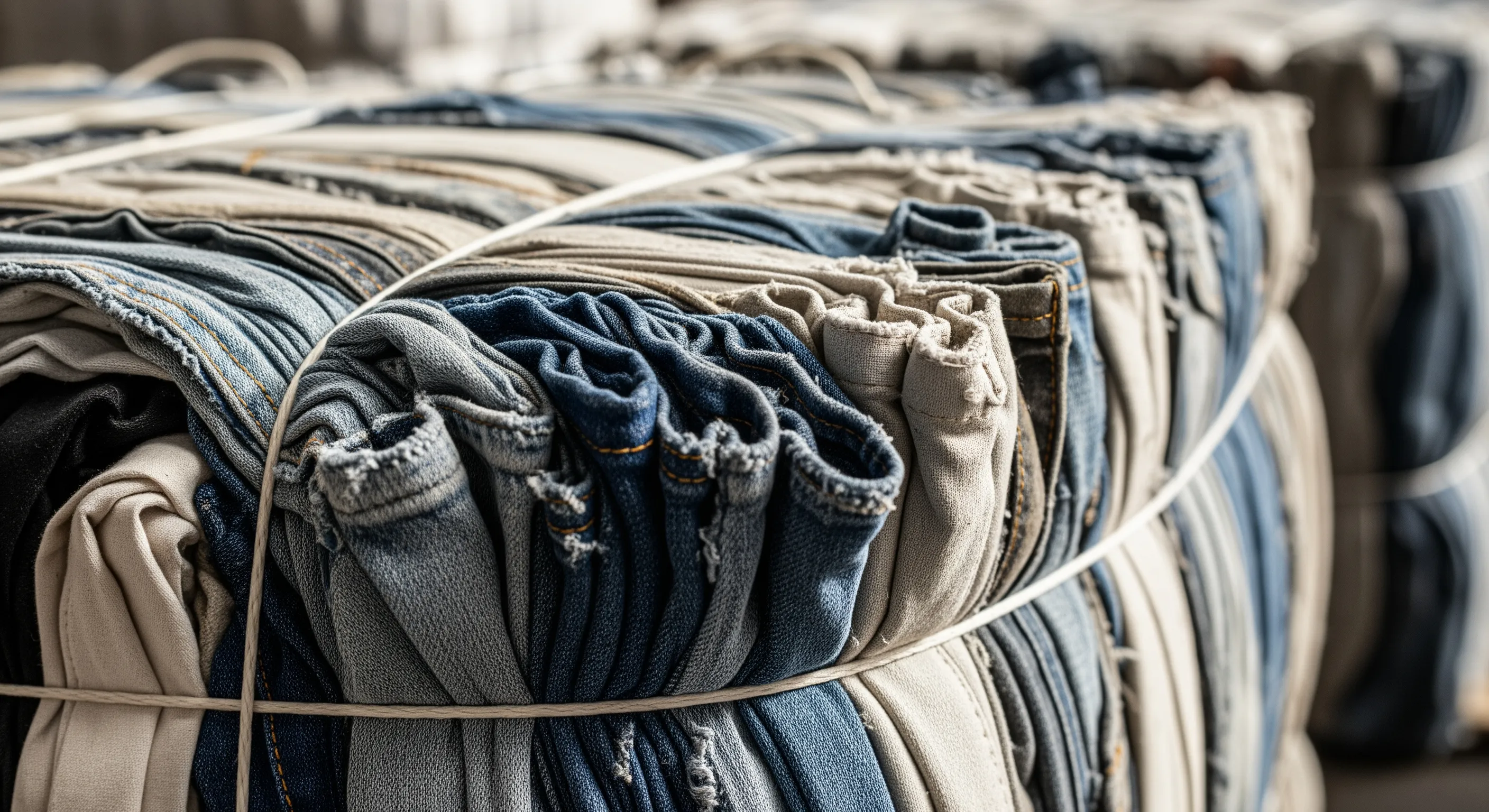
Reliable sources for wholesale used clothing can vary widely. Various suppliers across Europe specialize in bulk offerings, catering specifically to B2B customers. Investigating these options is essential for establishing a successful supply chain.
For instance, data from a recent study highlights consumer attitudes and the growing acceptance of second-hand garments, underscoring the importance of sourcing from reputable suppliers who maintain high standards.
Pro tip: Establish relationships with trusted suppliers to ensure quality and reliability.
Ethical Considerations in Sourcing
Ethics play a crucial role in the second-hand clothing trade. As detailed in academic research, understanding the limits of ethicality in international markets is vital for sourcing practices. Trade buyers should evaluate suppliers based on their ethical sourcing and labor practices.
Given that the second-hand clothing trade directly impacts communities and economies worldwide, making informed decisions regarding sourcing is essential for sustainable development.
Pro tip: Ensure your suppliers provide transparency about their sourcing methods.
The Role of Circular Economy
The circular economy concept has transformed how businesses approach used textiles. Research by the EU indicates that the trade of used textiles is integral to the sustainability goals of European nations. This approach is not only environmentally friendly but also offers trade buyers an opportunity to stand out in the marketplace.
Engaging in the circular economy can enhance brand value and demonstrate a commitment to sustainability, essential elements for modern consumers.
Pro tip: Align sourcing practices with circular economy principles for greater market appeal.
The Logistics of Importing Used Clothing
Understanding the logistics behind importing used clothing is crucial for successful operations. The trade must navigate various shipping regulations and custom clearance processes, as discussed in European assessments provide guidance on the protocols necessary for compliance.
Successful navigation of these logistical challenges will ensure timely deliveries and satisfied customers, essentials for maintaining a competitive edge in the B2B market.
Pro tip: Familiarize yourself with customs regulations to streamline importing processes.
Mitigating Risks in Bulk Trade
As with any trade, risks are involved in wholesale transactions of used clothing. To mitigate these risks, establishing clear contracts is essential. Factors such as grading disputes, transit damages, and compliance issues should be proactively managed. A study highlights these factors, indicating that a structured approach to risk management is crucial for sustaining a B2B relationship.
| Risk | Cause | Mitigation |
|---|---|---|
| Grading Disputes | Unclear quality standards | Implement strict grading agreements |
| Transit Damage | Poor packaging | Use durable shipping materials |
| Compliance Issues | Changing regulations | Stay updated on local laws |
| Payment Terms | Ambiguous agreements | Define payment terms clearly |
Pro tip: Regularly review contracts to ensure clarity and protection.
Get a B2B Quote for Italian Second-Hand and Stock Clothing
For trade buyers who need consistent bulk supply, clear grading and efficient EU delivery, explore Recycling Italy at recyclingitaly.com. To request a quote or schedule a warehouse visit near Caserta, contact the team here: Contact Us.
Frequently Asked Questions
What is the minimum order quantity?
The typical minimum order quantity for B2B clothing suppliers is 1000 kg.
How does Recycling Italy ensure quality?
Recycling Italy adheres to strict grading standards and EU regulations.
What are the logistics challenges in importing used clothing?
Trade buyers need to navigate shipping regulations and custom clearance processes.
How can I mitigate risks in bulk trade?
Regular contract reviews and clear terms can help mitigate risks.