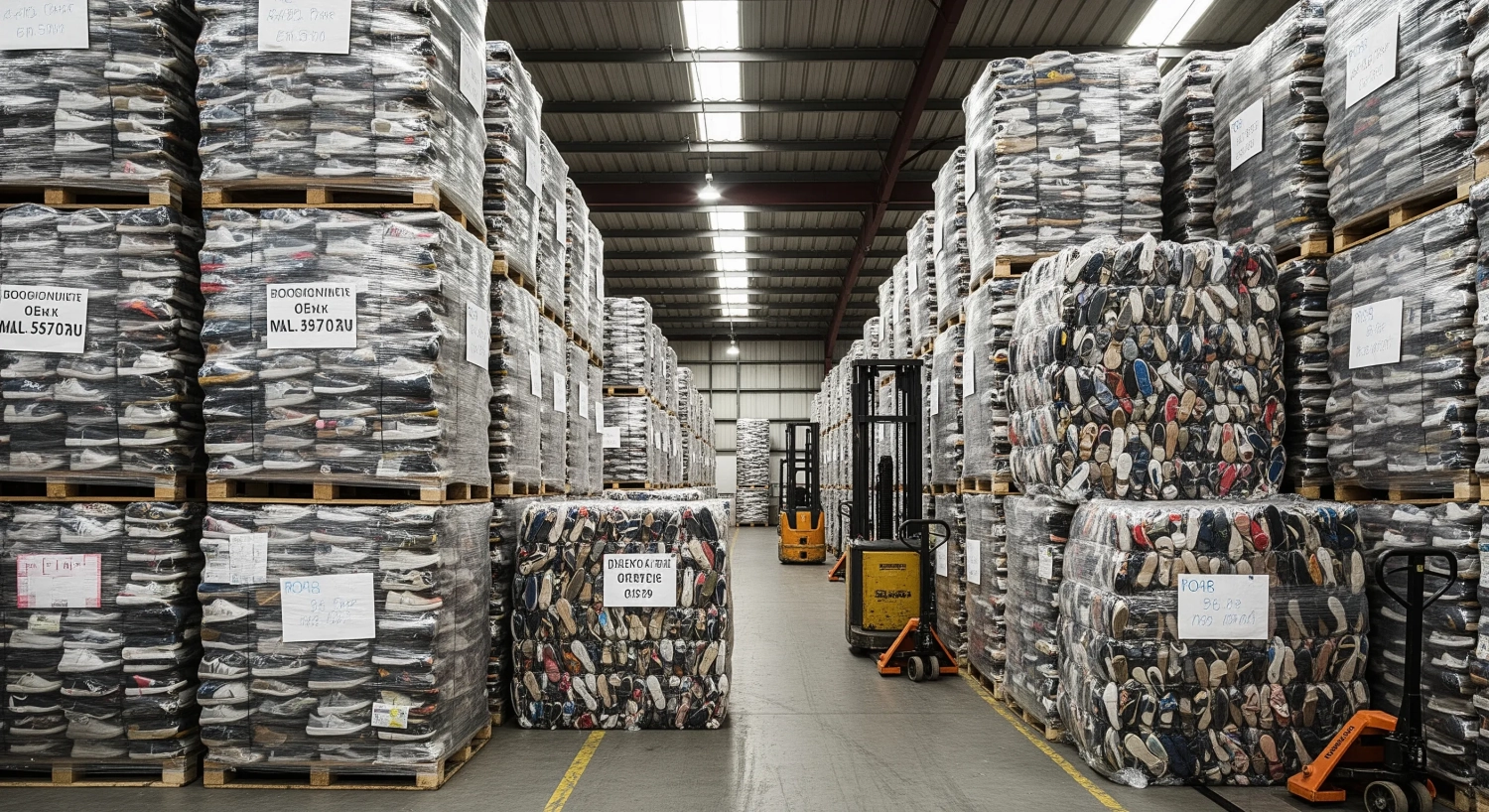
Wholesale second hand shoes represent a crucial segment in the circular economy, particularly for B2B buyers in Italy and across Europe. As a leading B2B wholesale supplier located in Marcianise, Recycling Italy specializes in providing high-quality second-hand footwear. With a minimum order quantity of 1000 kg, we cater to wholesalers, exporters, and retail store owners, ensuring efficient logistics and sustainable sourcing within the European market.
Table of Contents
- Top Marketplaces for Second Hand Footwear
- Understanding the Grading and Sorting Process
- Compliance and Ethics in Second Hand Shoe Trade
- The Role of the Circular Economy
- Trends in the Second Hand Footwear Market
- Mitigating Risks in Bulk Trade
Key Takeaways
| Consideration | Overview |
|---|---|
| MOQ and Pricing | A minimum order of 1000 kg typically ensures competitive pricing and optimizing supply chains. |
| Grading Standards | Consistent grading is critical for maintaining product quality and customer satisfaction. |
| Logistics Solutions | Strategic logistics enable timely deliveries within the European market. |
| Risk Management | Effective risk management practices help prevent disputes and ensure compliance. |
Top Marketplaces for Second Hand Footwear
Finding reliable sources for wholesale second hand shoes entails considering various marketplaces across Europe. Reputable platforms often emphasize sustainable practices in procurement. According to a study on supply chain movement risk in the sneaker industry, there's a noticeable shift towards platforms that improve the efficiency of production base movement while promoting sustainability.
Among the best marketplaces, both online and offline, are specialized distributors who prioritize ethical sourcing and transparent operations. In this light, research on contemporary developments in the leather and shoe sectors outlines how these marketplaces are evolving to meet modern trading demands.
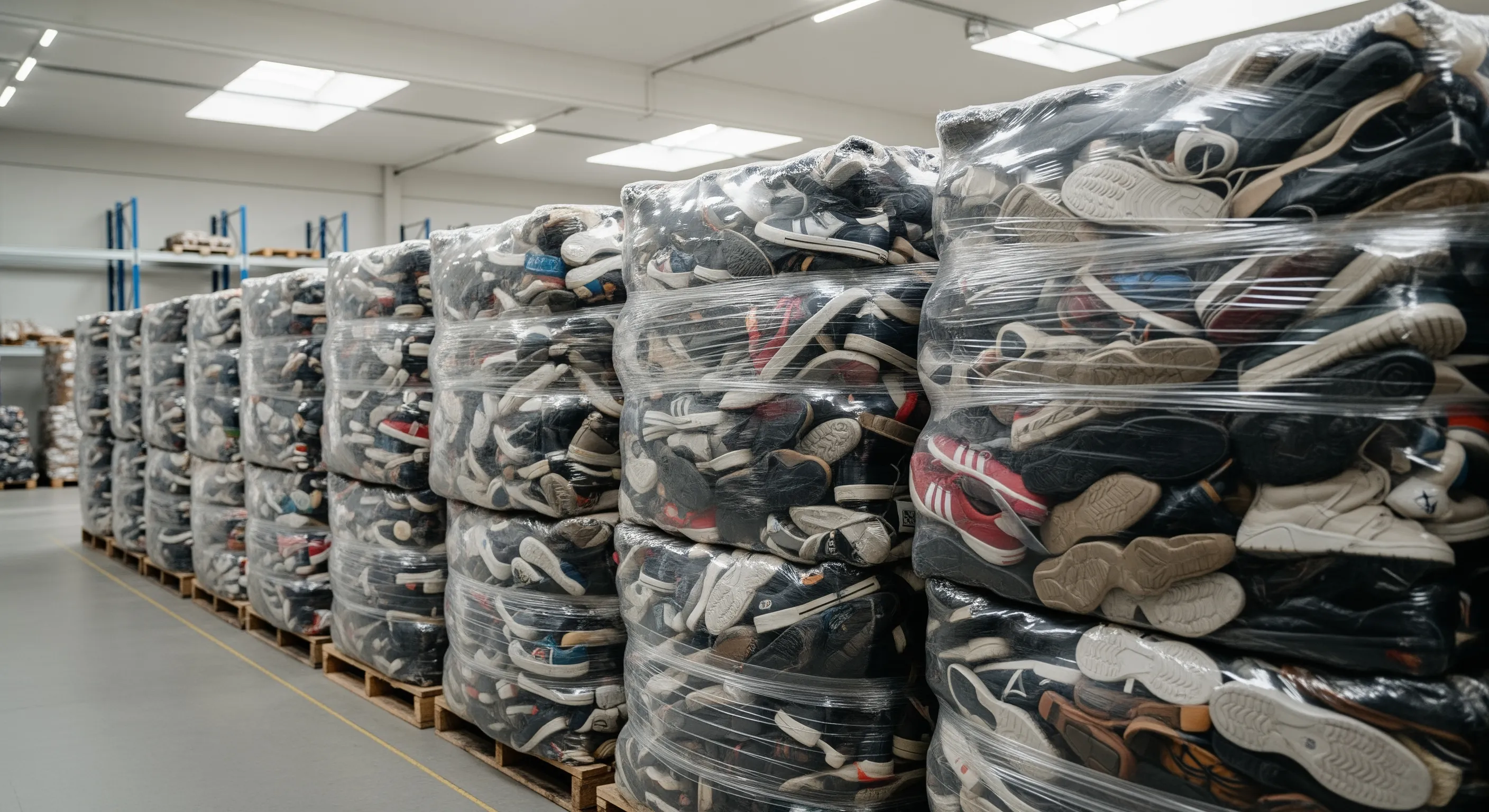
Pro tip: Always evaluate the reputation and operational transparency of your chosen marketplaces.
Understanding the Grading and Sorting Process
Grading and sorting are pivotal in the wholesale second hand shoe sector. To ensure quality and maximize resale value, products must be systematically categorized based on condition and style. A robust grading process not only enhances buyer trust but also streamlines logistics. This is underscored by analysis of ethicality in the second-hand clothing trade, which emphasizes the need for responsible practices in the procurement process.
Sorting warehouses often utilize advanced technologies and trained personnel to maintain high standards. This approach resonates with the principles outlined in the EU's circular economy perspectives for the textile sector, promoting efficient resource use while minimizing waste.
Pro tip: Ensure consistent training for staff involved in grading and sorting tasks to uphold quality.
Compliance and Ethics in Second Hand Shoe Trade
Complying with regulatory standards is crucial for success in the wholesale second hand footwear industry. Buyers should scrutinize suppliers to guarantee adherence to both local and EU regulations. An understanding of the EU Parliament's guidelines on textiles and the environment is essential, as these shape market dynamics.
Furthermore, ethical considerations are paramount in securing fair trade practices. It's imperative to recognize how practices impact communities in both sourcing and receiving nations. Insights from research on the destinations of Dutch used textiles illustrate the complexities involved in the trade.
Pro tip: Regular audits of supply chains can improve compliance and ethical standards.
The Role of the Circular Economy
The circular economy plays a significant role in the wholesale second hand shoe market by emphasizing the importance of sustainability. A circular model not only reduces waste but also highlights the lifecycle of products. This approach aligns with the findings in EU exports of used textiles in Europe’s circular economy, demonstrating how used products contribute to sustainable growth.
By participating in the circular economy, businesses benefit from enhanced brand loyalty and customer engagement. It also opens doors for innovative partnerships and growth opportunities in the evolving markets.
Pro tip: Engage with stakeholders to explore new ideas in promoting sustainability.
Trends in the Second Hand Footwear Market
As the market for second hand footwear continues to grow, several key trends are emerging. Eco-conscious consumerism drives demand for sustainable options, pushing businesses to adapt their strategies. Reports indicate that consumers are willing to pay more for responsibly sourced products, as evidenced in various studies on the footwear sector.
Moreover, collaborative platforms for second hand transactions are gaining popularity, improving accessibility for buyers and sellers alike. With digital advancement, many brands are investing in online platforms to support their efforts in selling second hand inventory.
Pro tip: Stay updated with market trends to maintain a competitive edge.
Mitigating Risks in Bulk Trade
Effective risk management is essential in the B2B wholesale sector to ensure smooth transactions. Identifying potential risks such as grading disputes and transit damages is vital. The table below outlines common risks and mitigation strategies.
| Risk | Cause | Mitigation |
|---|---|---|
| Grading Disputes | Inaccurate product assessment | Implement standardized grading systems |
| Transit Damage | Poor packaging or handling | Utilize robust packaging solutions |
| Compliance Issues | Lack of regulatory understanding | Regular training and audits |
| Payment Terms | Unclear agreements | Define clear contractual obligations |
Pro tip: Regularly review and update risk management strategies.
Get a B2B Quote for Italian Second-Hand and Stock Clothing
For trade buyers who need consistent bulk supply, clear grading and efficient EU delivery, explore Recycling Italy at recyclingitaly.com. To request a quote or schedule a warehouse visit near Caserta, contact the team here: Contact Us.
Frequently Asked Questions
What is the minimum order quantity for wholesale second hand shoes?
The minimum order quantity is 1000 kg.
How do I ensure the quality of second hand shoes?
Quality can be ensured through consistent grading standards and effective supplier audits.
What trends are affecting the second hand footwear market?
Eco-conscious consumerism and the popularity of collaborative platforms are significant trends.
How can I mitigate risks in bulk trade?
Implementing standardized systems and regular audits can help mitigate various risks.