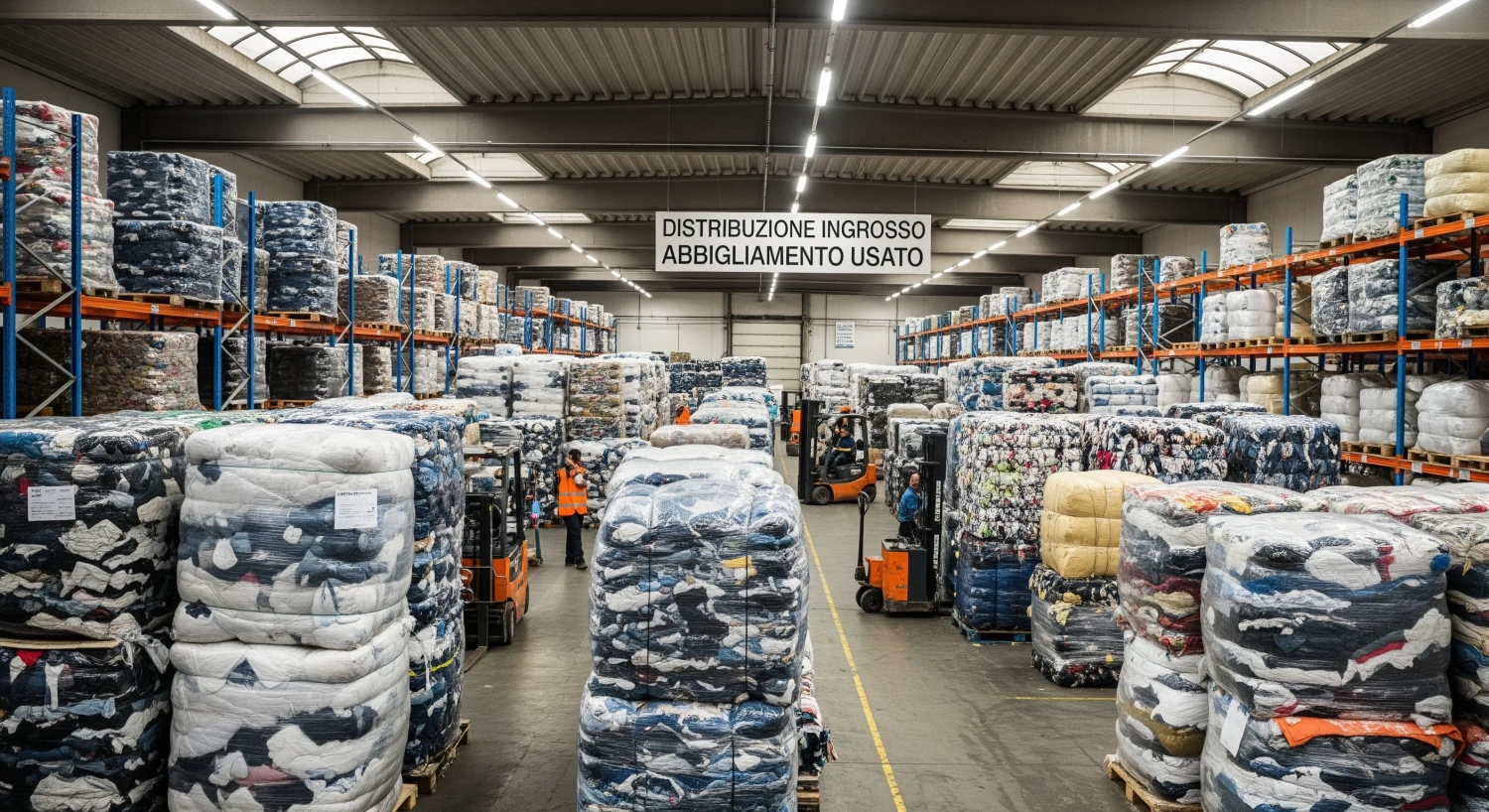
As a trade buyer looking for bulk second-hand clothing, navigating the wholesale landscape in Europe can be both rewarding and challenging. Italy, particularly the logistics hub of Caserta, offers a plethora of options for businesses that prioritize sustainable sourcing. By forming partnerships with reputable European clothing wholesalers, you can access high-quality second-hand goods that meet the increasing demand for sustainable fashion. This guide will help you explore some of the top sources available for wholesale second-hand clothing across Europe.
Table of Contents
- Understanding the European Second-Hand Market
- Key Players in B2B Wholesale Sourcing
- Sourcing Strategies for Bulk Clothing
- The Role of Logistics in Wholesale Sourcing
- The Benefits of Sustainable Sourcing
- Further Resources and Recommendations
Key Takeaways
| Aspect | Details |
|---|---|
| MOQ | Typical Minimum Order Quantity starts at 1000 kg |
| Grading | Ensure clear grading standards to meet buyer expectations |
| Logistics | Plan for efficient EU cross-border delivery and customs compliance |
| Risk Control | Implement robust payment terms and quality assurance processes |
Understanding the European Second-Hand Market
The European second-hand clothing market is thriving, driven by a growing consumer interest in sustainability and ethical sourcing. Countries such as Italy are becoming significant players in this industry, facilitating trade for wholesalers and export businesses. According to current industry reports, Italy's second-hand market showcases a remarkable variety of products at competitive prices.
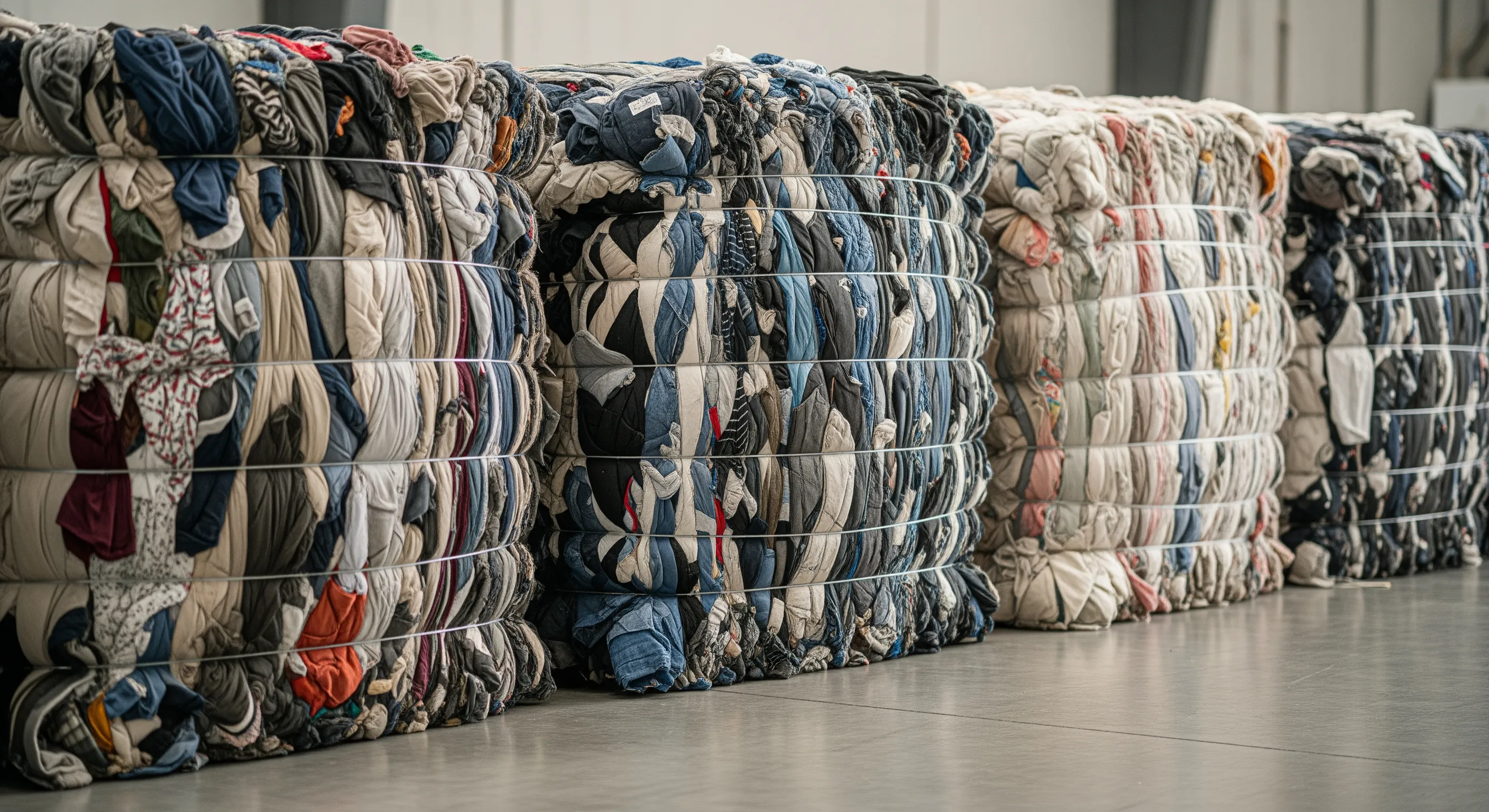
Key Players in B2B Wholesale Sourcing
Identifying reputable B2B clothing suppliers is crucial for success in bulk sourcing. Prominent wholesalers specialize in various aspects of second-hand clothing, from grading and sorting to logistics management. An analysis of European wholesalers reveals that many offer tailored solutions suited to specific market needs, ensuring a reliable supply chain.
Incorporating strong supplier relationships is vital for maintaining product quality and optimizing shipping processes, allowing businesses to explore diverse apparel choices while ensuring compliance with EU regulations.
Sourcing Strategies for Bulk Clothing
Effective sourcing strategies in the second-hand clothing sector involve a keen understanding of the grading system. Buyers should prioritize suppliers who implement rigorous quality control measures. This commitment aligns with the values of sustainable fashion and ensures that only the best apparel reaches the market, thereby enhancing customer satisfaction.
Establishing a clear communication channel with suppliers can also mitigate risks related to product quality and timely delivery. Options such as on-site visits can facilitate stronger business relationships and ensure transparency in grading and sourcing practices.
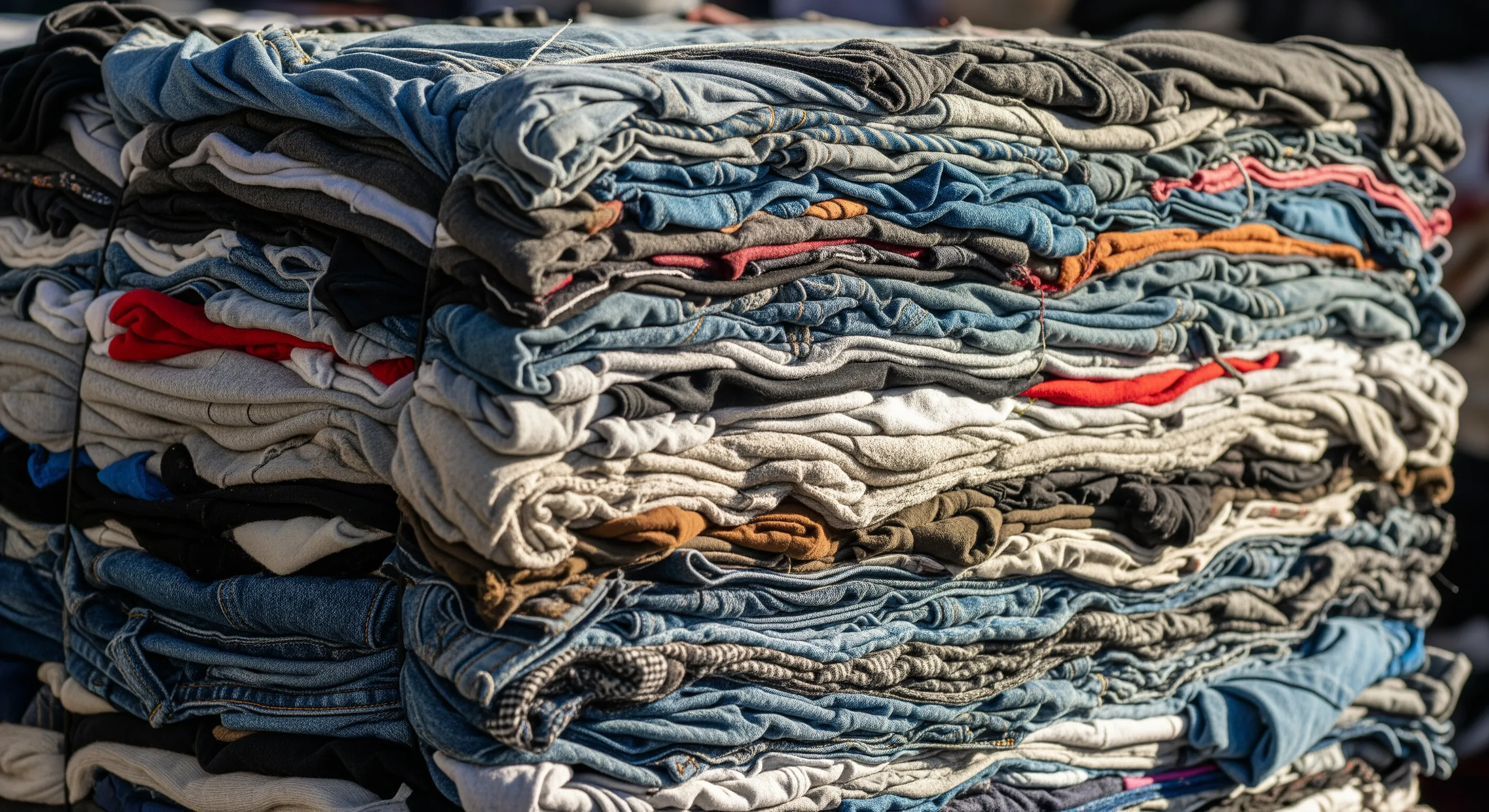
The Role of Logistics in Wholesale Sourcing
Logistics play a pivotal role in the wholesale sourcing journey, influencing costs and timelines associated with bulk clothing supply chains. Efficient logistics ensure smooth operations, from the moment the order is placed to delivery at the destination. Understanding customs procedures and documentation requirements is essential for successful cross-border transactions.
Strategically located warehouses in logistics hubs like Caserta streamline distribution across Europe, allowing for fast delivery and reduced lead times. Investing in robust logistics networks can ultimately lead to enhanced consumer trust and repeat business.
The Benefits of Sustainable Sourcing
Sustainable sourcing not only helps reduce environmental impact but also aligns with the increasing consumer demand for ethically produced goods. As brands and retailers shift toward circular economy principles, embracing sustainable practices in the wholesale sector becomes vital.
Adopting sustainable sourcing strategies can lead to improved brand reputation and customer loyalty, placing your business at the forefront of evolving market trends. Businesses that prioritize sustainability are likely to attract conscientious consumers who value ethical purchasing decisions.
Further Resources and Recommendations
For trade buyers interested in exploring additional regions for sourcing quality second-hand clothing, consider looking into networks that facilitate connections between suppliers and retailers. Researching online marketplaces can also enhance sourcing strategies.
Utilize forums and platforms where B2B buyers share insights and experiences regarding wholesale second-hand clothing sourcing. Implementing collaborative practices can foster greater efficiency and cultivate a more robust sourcing ecosystem.
Get a B2B Quote for Italian Second-Hand and Stock Clothing
For trade buyers who need consistent bulk supply, clear grading and efficient EU delivery, explore Recycling Italy at recyclingitaly.com. To request a quote or schedule a warehouse visit near Caserta, contact the team here: Contact Us.
Frequently Asked Questions
What is the minimum order quantity for wholesale second-hand clothing?
The typical minimum order quantity starts at 1000 kg.
How is the quality of second-hand clothing graded?
Quality is assessed based on factors such as fabric condition, style, and market demand.
What are the benefits of sourcing sustainably?
Sustainable sourcing reduces environmental impact and enhances brand reputation.
How does logistics affect wholesale sourcing?
Efficient logistics streamline operations and reduce delivery times, improving overall business efficiency.