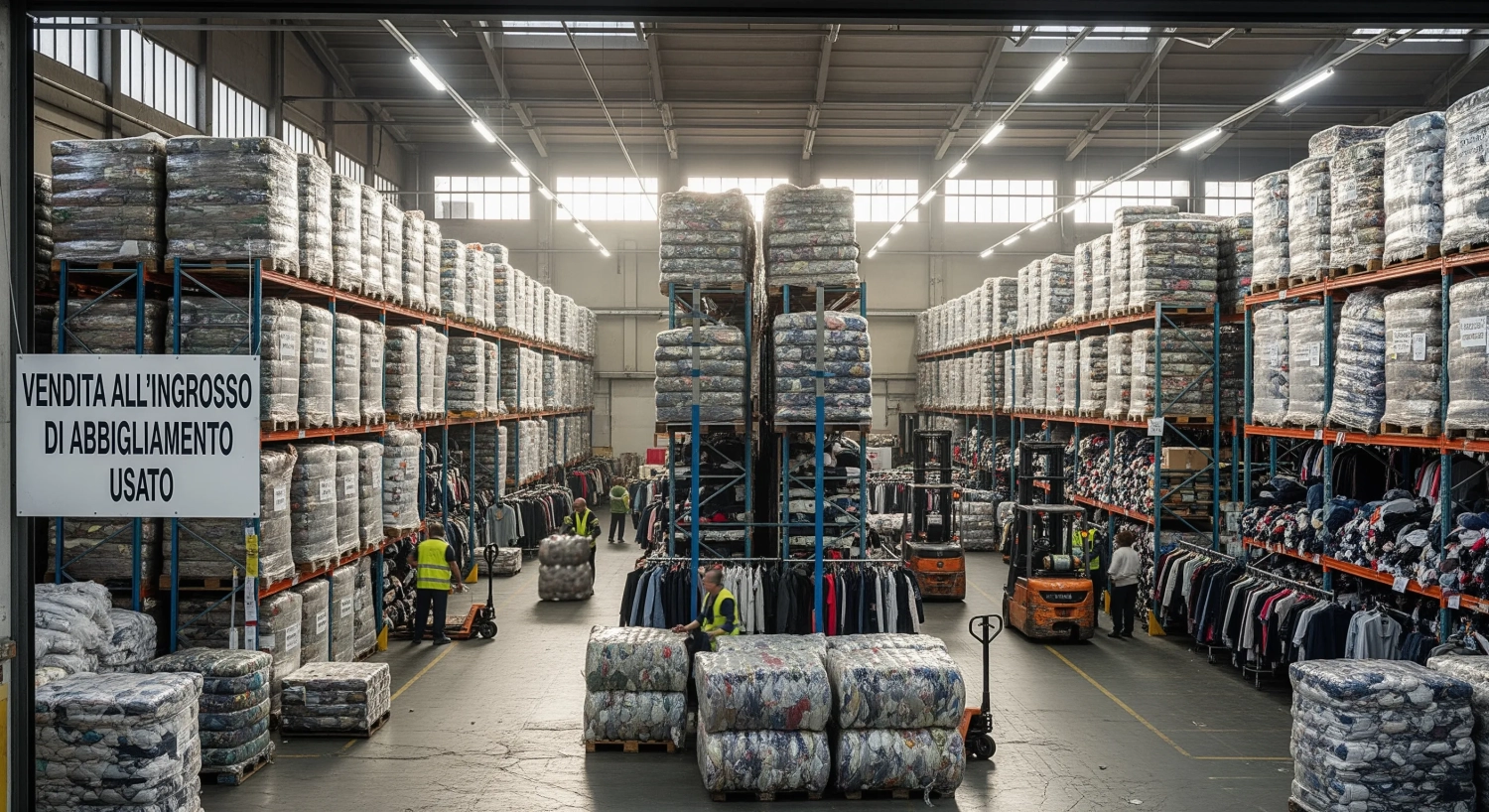
As a B2B buyer in the wholesale clothing sector, sourcing high-quality ingrosso abbigliamento usato firmato is essential for success. Located in Marcianise Sud, Caserta, Italy, Recycling Italy is strategically positioned to facilitate bulk orders across Europe. By focusing on second-hand branded clothing, businesses can cater to the growing demand for sustainable fashion while ensuring competitive prices. This article will explore the benefits and options available to trade buyers in the wholesale clothing market.
Table of Contents
- Importance of Second-Hand Clothing in B2B
- Sourcing Strategies for B2B Buyers
- Quality Control Measures
- Key Suppliers for Wholesale Branded Clothing
- Logistics and Delivery Considerations
- Sustainability and the Circular Economy
Key Takeaways
| Consideration | Details |
|---|---|
| MOQ | Typical Minimum Order Quantity is 1000 kg per order for trade buyers. |
| Grading | Effective grading is essential for ensuring the quality of second-hand clothing. |
| Logistics | Efficient logistics are crucial for cross-border delivery and customs documentation. |
| Risk Control | Understanding risk associated with grading disputes and compliance is vital. |
Importance of Second-Hand Clothing in B2B
In the European market, the demand for sustainable and cost-effective fashion solutions is on the rise. By offering second-hand clothing, businesses can significantly contribute to sustainability efforts while appealing to environmentally conscious consumers. Studies show that second-hand clothing reduces waste and operates on a circular economy model which is increasingly preferred by modern shoppers.
Moreover, the margin potential in the second-hand clothing sector can be lucrative when sourcing correctly. B2B buyers can stock their inventories with branded clothing, giving their customers access to well-known labels at more affordable prices.
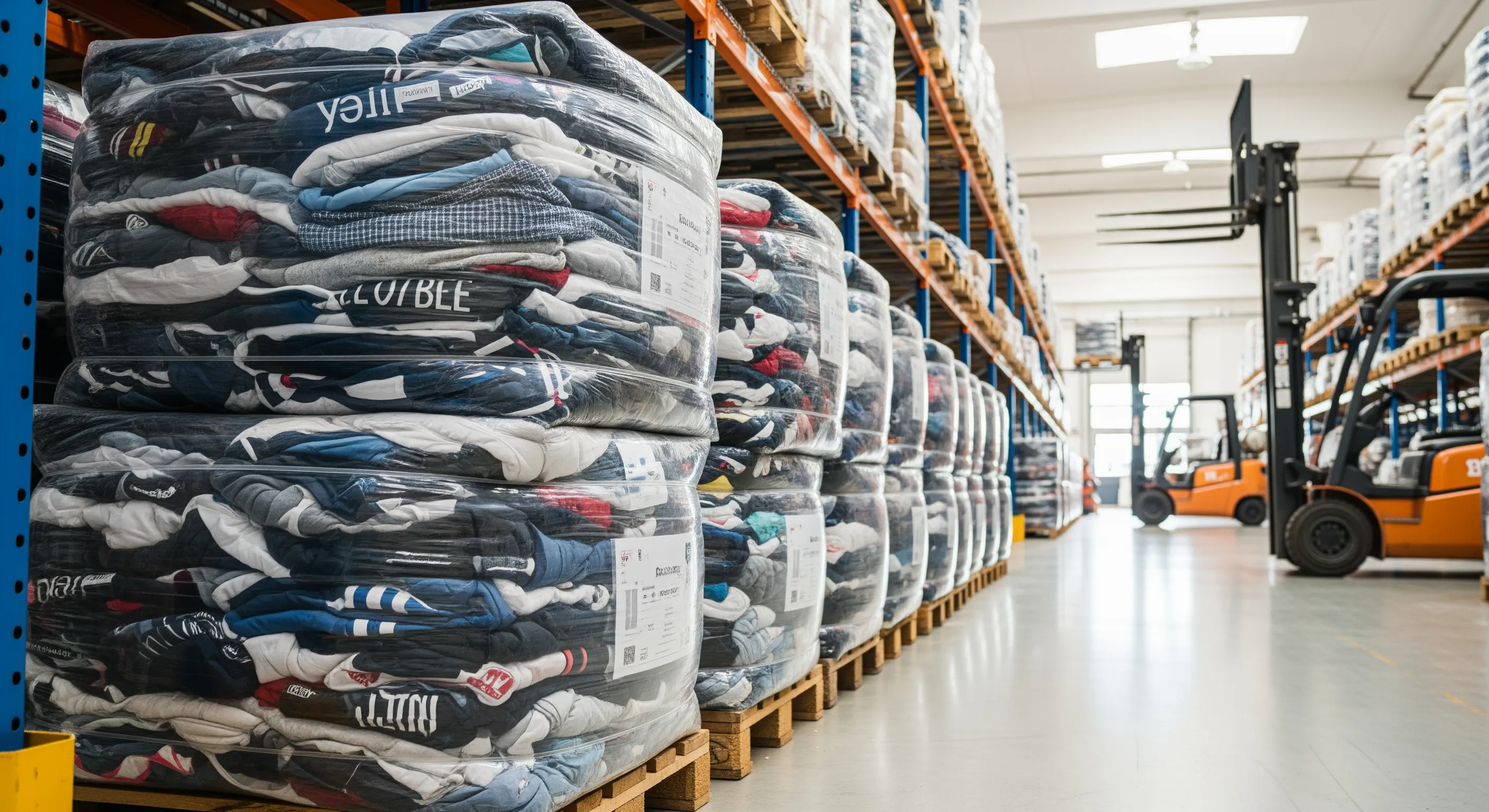
Pro tip: Establish relationships with reliable suppliers who specialize in second-hand clothing to ensure consistent quality and availability.
Sourcing Strategies for B2B Buyers
Successful sourcing involves understanding where to find high-quality stock and building relationships with reputable suppliers. Wholesale clothing suppliers in Italy often operate from designated logistics hubs, facilitating smooth transactions and efficient shipping.
Networking at industry fairs can also provide insights into the latest trends and connects you with potential suppliers. Exploring online marketplaces dedicated to B2B transactions is another strategy that can yield considerable results.
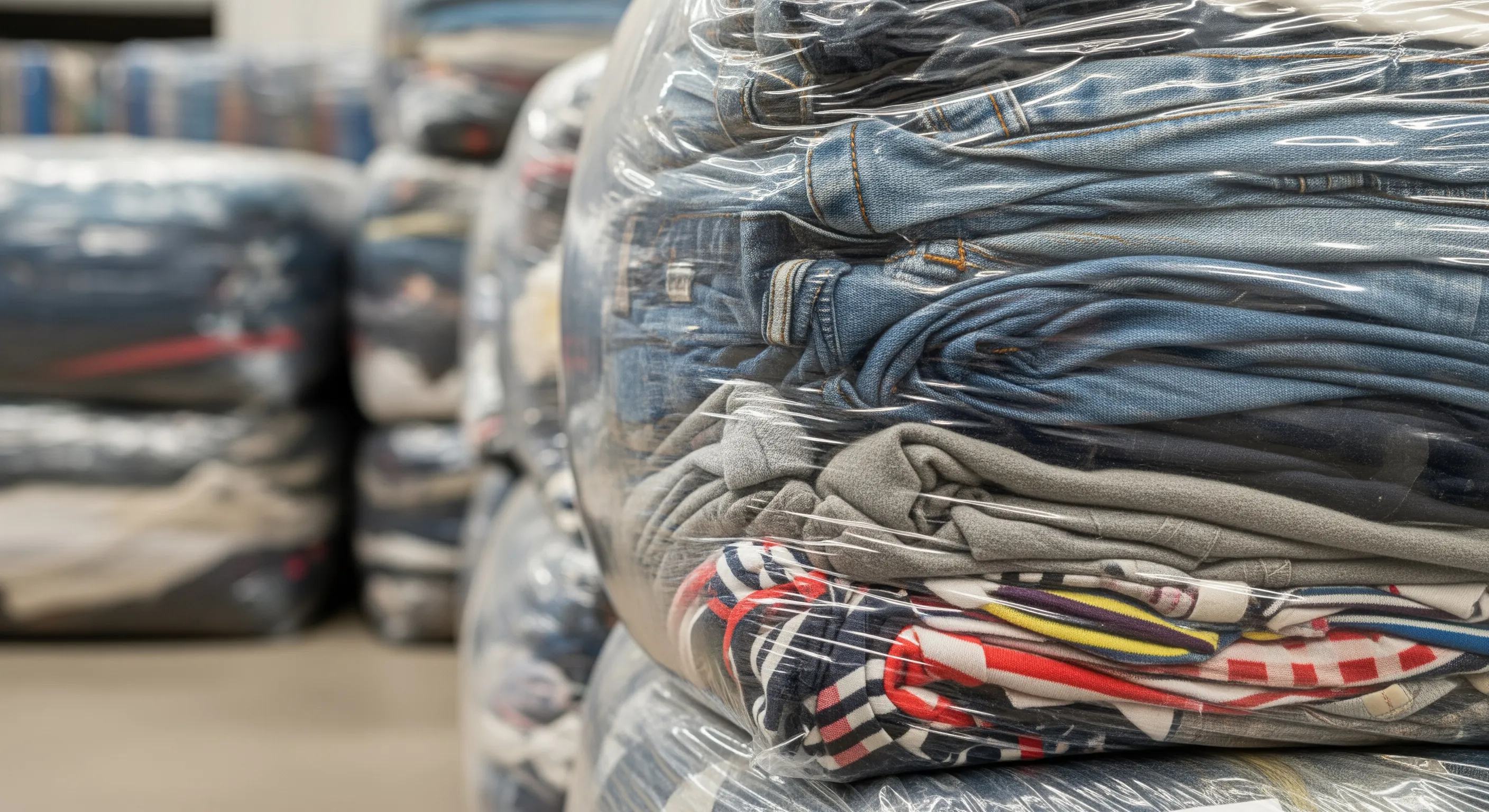
Pro tip: Utilize digital platforms for sourcing to widen your supplier network and access more varied inventories.
Quality Control Measures
Implementing stringent quality control measures is vital in the wholesale clothing business to ensure customer satisfaction. This entails a thorough inspection process during the grading of second-hand garments. Each piece should meet specific criteria to be deemed acceptable for resale.
Partnering with a solid quality assurance team can help mitigate issues related to unsold or returned goods, which can directly impact profitability. Efficiency in the grading process results in better product offerings and ensures compliance with industry standards.
Pro tip: Consider investing in training for your staff on grading and quality assessment techniques to enhance overall operational efficiency.
Key Suppliers for Wholesale Branded Clothing
Identifying the right suppliers for ingrosso abbigliamento usato firmato can influence your supply chain's efficiency. Engaging with established suppliers not only ensures product availability but also builds trust within your business network.
Leading marketplaces in Italy often centralize their operations in hubs such as Caserta, providing seamless access to inventory and allowing for faster fulfillment of trade orders.
Pro tip: Always request product samples before making a bulk order to ensure quality and suitability.
Logistics and Delivery Considerations
Logistics play a crucial role in maintaining the efficiency of your supply chain. Understanding customs regulations and establishing reliable shipping channels can alleviate delays and enhance customer satisfaction.
Effective tracking systems should also be in place to monitor shipments from the point of origin to the final delivery destination. This transparency builds confidence with your buyers.
Pro tip: Collaborate with logistics experts to optimize your shipping channels and minimize potential disruptions.
Sustainability and the Circular Economy
The growing awareness of environmental issues has driven the demand for sustainable fashion solutions. B2B buyers are increasingly recognizing the value of investing in second-hand clothing, not only for cost-efficiency but also for contributing to a circular economy.
Establishing a sustainable procurement policy can set your business apart and appeal to a broader customer base. Highlighting your commitment to sustainable sourcing practices can enhance brand reputation in today's eco-conscious market.
Pro tip: Regularly review your supply chain practices to ensure alignment with sustainability goals.
Get a B2B Quote for Italian Second-Hand and Stock Clothing
For trade buyers who need consistent bulk supply, clear grading, and efficient EU delivery, explore Recycling Italy at recyclingitaly.com. To request a quote or schedule a warehouse visit near Caserta, contact the team here: Contact Us.
Frequently Asked Questions
What is ingrosso abbigliamento usato firmato?
It refers to wholesale used branded clothing, which is sourced primarily for B2B trade.
What are the minimum order quantities?
The typical MOQ is 1000 kg when ordering from suppliers.
How can I ensure quality when sourcing second-hand clothing?
Implement thorough grading processes and request samples before bulk orders.
Why is sustainability important in the clothing industry?
Sustainability is crucial as it meets consumer demand for environmentally friendly options and contributes to a circular economy.