Second Hand Clothes Wholesale Italy: A Growing Market
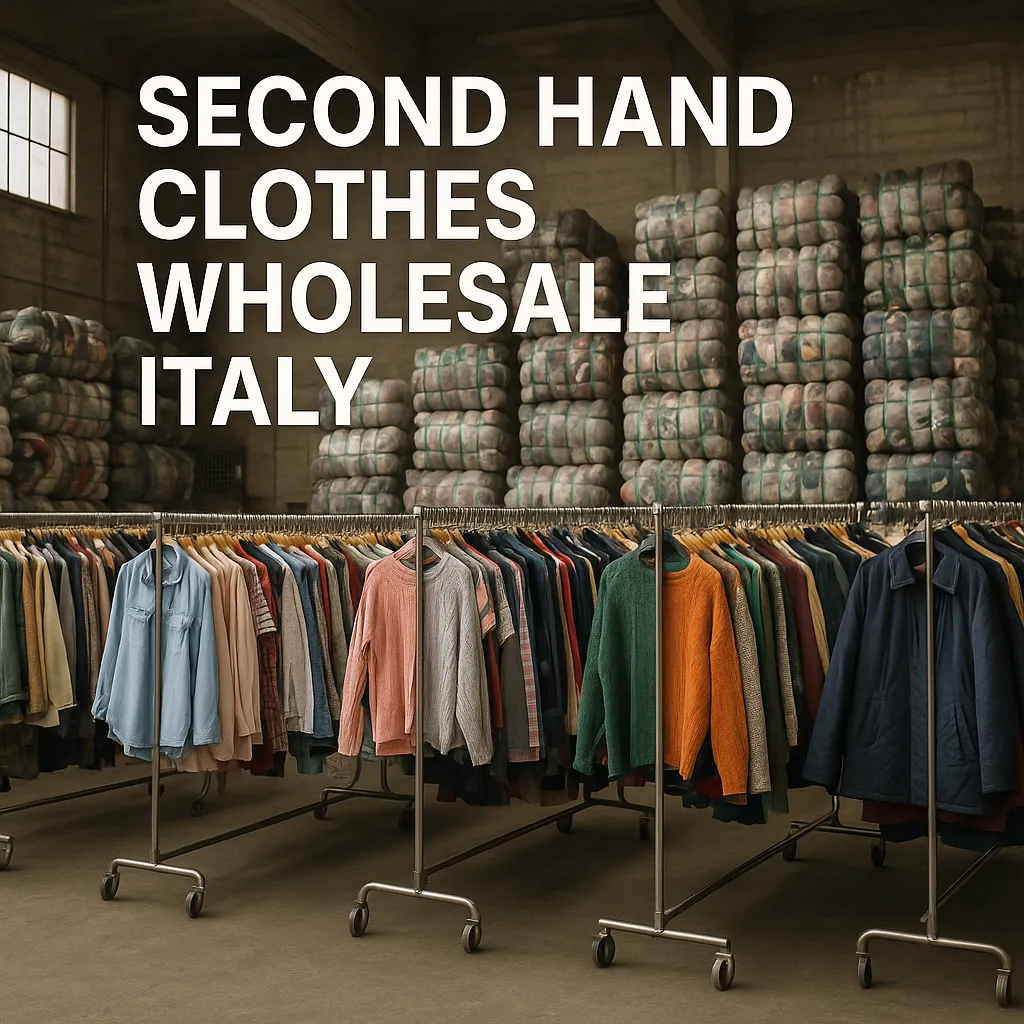
Second hand clothes wholesale Italy has become an increasingly popular option for businesses looking to source unique, affordable apparel. The rise in sustainable fashion has led to a surge in demand for pre-owned clothing, and Italy stands out as a key player in this market. With its rich history of fashion and craftsmanship, Italy offers a wide variety of high-quality second-hand garments that appeal to diverse customer bases. Importers and retailers are recognizing the potential in this thriving sector, where quality meets affordability. By tapping into the Italian market, businesses can access a treasure trove of styles and trends that cater to contemporary tastes while promoting a sustainable future.
Understanding the Wholesale Market for Second Hand Clothing
The wholesale market for second hand clothing in Italy is characterized by a blend of traditional sourcing methods and modern business practices. Wholesale suppliers in Italy often operate from established warehouses filled with carefully curated selections of garments sourced from various regions. These suppliers assess the quality of clothing, ensuring that only the best items are available for resale. Additionally, the integration of technology has allowed for better inventory management and streamlined operations. As a result, retailers can easily access a wide range of products, from vintage pieces to contemporary styles, all while benefiting from attractive price points. Moreover, the Italian second-hand clothing market is not merely about function but also about style, as consumers increasingly seek fashionable, unique garments that tell a story.
Benefits of Sourcing Second Hand Clothes Wholesale in Italy
There are numerous benefits to sourcing second hand clothes wholesale in Italy. Firstly, the diversity of styles available is unparalleled. Italian fashion has long been revered, and the second-hand market offers an opportunity to access iconic designs at fraction of the original price. This not only caters to budget-conscious retailers but also allows them to showcase unique pieces that stand out in a crowded marketplace. Secondly, purchasing wholesale enables businesses to maintain healthy profit margins while still providing customers with high-quality products. The sustainability angle cannot be ignored either; by opting for second-hand clothing, retailers contribute to reducing waste and promoting environmentally-friendly practices. Additionally, many Italian suppliers prioritize ethical sourcing and transparency, ensuring that their practices align with the values of modern consumers.
Challenges in the Second Hand Clothing Wholesale Sector
While the second hand clothing wholesale sector in Italy presents significant opportunities, it is not without its challenges. One of the primary concerns is the consistency of quality across different suppliers. Not all wholesalers adhere to the same standards, which can result in discrepancies that affect customer satisfaction. Retailers must conduct thorough research and establish relationships with reputable suppliers to mitigate this risk. Furthermore, fluctuations in demand can impact inventory management; retailers need to be agile in adapting to changing consumer preferences and market trends. Finally, navigating compliance with regulations regarding the import and sale of second-hand textiles can pose challenges for businesses entering the market. Understanding these complexities is essential for successfully operating in this vibrant industry.
How to Successfully Navigate the Wholesale Process
Navigating the wholesale process for second hand clothes in Italy requires a strategic approach. First and foremost, retailers should conduct comprehensive market research to identify potential suppliers who align with their brand values and product offerings. Building relationships with these suppliers is crucial; it fosters trust and can lead to better pricing and favorable terms. Additionally, visiting trade shows and fashion markets in Italy can provide invaluable insights into the latest trends and sourcing opportunities. When negotiating with wholesalers, it’s important to communicate clearly about expectations regarding quality, delivery timelines, and payment terms. Additionally, staying informed about industry regulations and best practices will help ensure compliance and smooth operations.
Marketing Your Second Hand Clothing Business
Once you've established a reliable sourcing strategy for second hand clothes wholesale Italy, the next step is marketing your business effectively. The key to success lies in developing a strong brand identity that resonates with your target audience. Social media platforms, particularly Instagram and Pinterest, serve as excellent channels for showcasing your unique offerings and building a community around your brand. Engaging content, such as styling tips and behind-the-scenes glimpses into your sourcing process, can attract customers and foster loyalty. Collaborating with influencers who align with your brand values can further amplify your reach. Additionally, leveraging SEO strategies, including keywords like “second hand clothes wholesale Italy,” will help increase your online visibility and drive traffic to your website.
Future Trends in the Second Hand Clothing Market
The future of the second hand clothing market in Italy is poised for growth, driven by evolving consumer preferences and increased awareness of sustainability. As more shoppers prioritize eco-friendly choices, the demand for second-hand apparel is expected to rise. Innovative business models, such as rental services and subscription boxes, are also gaining traction, offering consumers flexible options for accessing second-hand clothing. Furthermore, advancements in technology, such as AI-driven inventory management and virtual try-on experiences, will reshape the way retailers operate and engage with customers. To thrive in this dynamic landscape, businesses must remain adaptable and open to embracing new trends and technologies that align with the growing emphasis on sustainability and circular fashion.
Conclusion: Seizing Opportunities in Italy's Second Hand Market
In conclusion, the second hand clothes wholesale Italy market presents a wealth of opportunities for retailers and businesses looking to differentiate themselves in a competitive landscape. By understanding the unique dynamics of the market and leveraging the benefits of sourcing pre-owned garments, businesses can capitalize on the growing trend towards sustainability and individuality in fashion. Establishing strong relationships with reputable suppliers, navigating the wholesale process effectively, and implementing strategic marketing initiatives will be key to success. As the demand for second-hand clothing continues to rise, those who seize the opportunities within this market are poised to thrive and make a positive impact on the fashion industry.
| Supplier Name | Location | Specialty | Contact Info |
|---|---|---|---|
| Eco Fashion Italy | Rome | Vintage Clothing | Contact Us |
| Second Chance Boutique | Milan | Designer Labels | Contact Us |
| Trendy Threads | Florence | Casual Wear | Contact Us |
| Chic Circles | Turin | High Fashion | Contact Us |
| Fashion Revival | Naples | Accessories | Contact Us |
FAQ
What are the benefits of second hand clothes wholesale Italy?
Second hand clothes wholesale Italy provides numerous advantages for retailers, including access to unique garments at competitive prices, which can enhance product offerings and attract different customer demographics. The emphasis on sustainability further boosts the appeal of these products, aligning with the growing consumer shift towards eco-friendly fashion choices. Additionally, Italian second-hand clothing often boasts a rich history of quality and craftsmanship, giving retailers the opportunity to sell distinguished items that resonate with their customers. Furthermore, purchasing wholesale allows retailers to benefit from bulk pricing, thus ensuring healthy profit margins while supporting a responsible fashion cycle.
How can I find reliable suppliers of second hand clothes in Italy?
Finding reliable suppliers for second hand clothes in Italy involves researching various wholesalers, attending trade shows, and networking within the fashion community. Online platforms and industry forums can also provide insights into reputable suppliers who adhere to quality standards. Establishing direct communication with potential suppliers allows you to discuss their sourcing practices and assess their product offerings. It’s also beneficial to request samples or visit warehouses to evaluate the quality of the clothing firsthand. Building a trustworthy relationship with your suppliers is crucial for ensuring consistent inventory and successful business operations.
Is it profitable to sell second hand clothes?
Yes, selling second hand clothes can be highly profitable, especially when sourced from reputable wholesale suppliers. The demand for sustainable fashion continues to grow, and consumers are increasingly seeking affordable, unique clothing options. Retailers can enjoy healthy profit margins by purchasing second-hand items at reduced prices and reselling them at a markup. Moreover, the appeal of second-hand clothing often allows businesses to attract a diverse customer base, further enhancing profitability. However, success in this market requires careful curation of products, effective marketing strategies, and a keen understanding of consumer preferences.
What types of second hand clothing are popular in Italy?
In Italy, popular types of second hand clothing include vintage pieces, designer labels, and casual wear that reflect current fashion trends. Vintage clothing is particularly sought after for its unique styles and timeless appeal, while designer items attract fashion-conscious consumers looking for luxury at affordable prices. Casual wear, including everyday styles and comfortable clothing, remains a staple in the second-hand market due to its versatility and broad appeal. Additionally, accessories such as bags, shoes, and jewelry also feature prominently, allowing retailers to diversify their offerings and meet varied customer preferences.
What regulations should I be aware of when importing second hand clothes?
When importing second hand clothes into Italy, it’s essential to be aware of regulations that govern textile imports, including compliance with health and safety standards. Importers must ensure that the clothing meets specific hygiene requirements to prevent the spread of diseases. Additionally, proper labeling and documentation are crucial for customs clearance. It’s advisable to familiarize yourself with the European Union regulations surrounding second-hand textiles, as these can vary significantly by country. Consulting with legal experts or industry associations can provide guidance on navigating these regulations effectively and ensuring a smooth import process.
How can I market my second hand clothing business effectively?
Marketing a second hand clothing business effectively involves leveraging both online and offline strategies. Utilizing social media platforms, particularly Instagram and Facebook, allows for targeted advertising and community engagement. Sharing visually appealing content that showcases your products can attract potential customers and build brand loyalty. Collaborating with influencers and participating in local fashion events can also elevate your visibility. Additionally, employing SEO strategies, such as optimizing your website for keywords like “second hand clothes wholesale Italy,” can help drive organic traffic. Engaging with your audience through newsletters and blog posts can further enhance customer relationships and promote your offerings.
For more information on how to source and sell second-hand clothing, visit our products page or learn about our social mission. Don't hesitate to contact us for any inquiries or support.
Disclaimer: The information provided in this article is for informational purposes only and does not constitute professional advice. Always conduct your own research and consult with experts in the field.