Second Hand Branded Clothes Wholesale: A Sustainable Choice
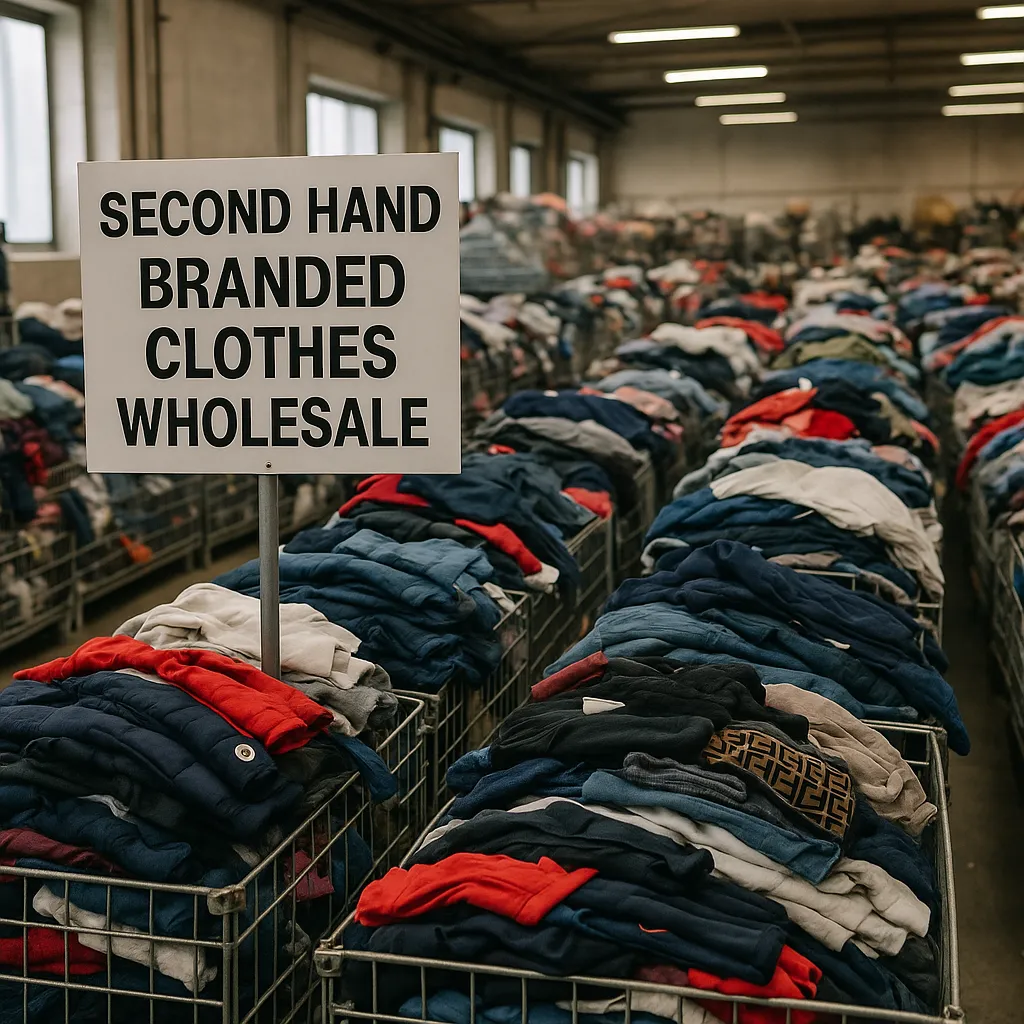
The market for second hand branded clothes wholesale is growing rapidly as consumers become increasingly aware of the environmental impact of fast fashion. This trend not only supports sustainable practices but also offers a unique opportunity for retailers and resellers to access high-quality apparel at competitive prices. By sourcing these garments, businesses can cater to a diverse clientele that values brand recognition and eco-friendly choices. Engaging in the wholesale of second hand branded clothes allows businesses to tap into a lucrative market while promoting sustainability, which is a win-win situation for both the environment and the economy.
Understanding the Second Hand Market
The second hand market has evolved significantly over the past decade, transitioning from thrift stores to a sophisticated online marketplace. Consumers are now more inclined to purchase pre-owned items, especially branded clothing, as they recognize the value and quality that comes with established brands. The appeal of second hand branded clothes wholesale lies in the ability to offer unique pieces that are not only stylish but also carry a history and character that new items often lack. Retailers can source garments from various channels, including charity shops, online auctions, and direct from consumers, ensuring a diverse inventory that attracts fashion-conscious buyers.
Digital platforms have revolutionized the way second hand clothing is marketed and sold. Websites specializing in second hand branded clothes wholesale provide retailers with access to a vast selection of products, enabling them to curate collections that resonate with their target audience. The rise of social media has also played a crucial role in promoting second hand fashion, with influencers and eco-conscious consumers advocating for sustainable choices. As a result, businesses in this sector can leverage online marketing strategies to increase their visibility and attract new customers, making it essential to stay updated on trends and consumer preferences.
The Benefits of Second Hand Branded Clothes Wholesale
One of the primary advantages of engaging in second hand branded clothes wholesale is cost-effectiveness. Retailers can acquire high-quality, branded items at a fraction of the retail price, allowing them to maintain healthy profit margins. This pricing strategy not only benefits the retailer but also provides consumers with access to luxury brands that might otherwise be out of their budget. Furthermore, selling second hand items aligns with the growing consumer demand for sustainable fashion, allowing businesses to position themselves as responsible and eco-friendly players in the industry.
Sourcing second hand branded clothes also contributes to waste reduction, as it promotes the reuse of garments that would otherwise end up in landfills. By choosing to sell pre-owned items, retailers play a pivotal role in reducing the fashion industry's carbon footprint, which is essential in today’s environmentally-conscious society. Additionally, many consumers are drawn to the uniqueness of second hand clothing, which allows them to express their individual style in a way that mass-produced items cannot. This aspect enhances customer loyalty and encourages repeat purchases, further solidifying the business's position in the market.
How to Source Quality Second Hand Branded Clothes
Successfully sourcing quality second hand branded clothes requires strategic efforts and a keen eye for potential inventory. Retailers should establish relationships with reliable suppliers who specialize in wholesale second hand clothing. This connection can provide access to exclusive deals and rare items that are difficult to find elsewhere. Attending trade shows and networking events dedicated to sustainable fashion can also yield valuable contacts and insights into the industry. It's crucial for retailers to thoroughly inspect garments for quality, authenticity, and condition before making a purchase to ensure they maintain their reputation and customer satisfaction.
Another effective method for sourcing branded clothes is to leverage online platforms and marketplaces that specialize in second hand goods. Websites such as Poshmark, ThredUp, and Depop have become popular for finding high-quality items at competitive prices. Retailers can also engage in direct sourcing from individual sellers through social media channels, where users often sell pre-owned items at reasonable prices. Maintaining an active presence online allows businesses to stay informed about market trends and consumer preferences, ensuring they adapt their inventory accordingly.
Marketing Your Second Hand Branded Clothing Business
Once retailers have successfully sourced their inventory of second hand branded clothes, effective marketing strategies are vital for driving sales. Building a strong online presence through social media platforms is essential, as these channels allow businesses to showcase their unique offerings and connect with potential customers. High-quality images and engaging content can attract attention and encourage shares, leading to increased visibility. Additionally, collaborating with influencers in the sustainable fashion space can amplify reach and credibility, as these individuals can help promote the benefits of shopping second hand.
Another marketing avenue to explore is the creation of an informative blog that discusses topics related to sustainable fashion, the benefits of second hand shopping, and tips for styling vintage clothing. This not only positions the business as an authority in the niche but also improves search engine rankings through strategic keyword integration. For instance, integrating the focus keyword “second hand branded clothes wholesale” into the content can enhance organic visibility, driving more traffic to the website. Leveraging email marketing campaigns can also be beneficial for keeping customers updated on new arrivals and exclusive offers.
Challenges in the Second Hand Clothing Sector
While the allure of second hand branded clothes wholesale is undeniable, there are challenges that retailers must navigate. One significant hurdle is the fluctuating market demand, which can be influenced by changing fashion trends and consumer preferences. Retailers need to stay agile and responsive to these shifts to ensure they maintain a desirable inventory. Additionally, competition is fierce in the second hand market, with numerous businesses vying for the attention of eco-conscious consumers. Establishing a unique selling proposition and fostering brand loyalty is crucial in standing out from the crowd.
Quality control is another critical aspect that retailers must manage. Ensuring that all items meet a certain standard is essential for maintaining customer satisfaction and trust. Implementing a rigorous inspection process before items are listed for sale can help mitigate issues related to quality and authenticity. Furthermore, retailers must navigate the complexities of pricing, as overpricing can deter potential customers while underpricing may lead to unsustainable profit margins. Striking the right balance requires careful market analysis and an understanding of customer expectations.
The Future of Second Hand Branded Clothes Wholesale
The future of second hand branded clothes wholesale looks promising, as more consumers prioritize sustainability in their purchasing decisions. With the increasing awareness of environmental issues and the negative impact of fast fashion, the demand for pre-owned clothing is expected to rise. Retailers who embrace this shift and adapt their business models accordingly will likely thrive in the evolving landscape of the fashion industry. Moreover, collaborations between brands and second hand retailers can create innovative solutions that promote circular fashion, further enhancing the appeal of second hand options.
Technological advancements will also play a crucial role in shaping the future of this sector. The integration of artificial intelligence and data analytics can provide valuable insights into consumer behavior, helping retailers to make informed decisions about inventory management and marketing strategies. As the industry continues to evolve, embracing digital transformation and sustainability will be key components for success. Retailers must remain proactive in exploring new avenues and adapting to the changing needs of the market.
Conclusion
Embracing the second hand branded clothes wholesale market presents an exciting opportunity for retailers to align their business with sustainable practices while catering to a growing demographic of environmentally-conscious consumers. The benefits are manifold, ranging from cost-effectiveness and waste reduction to the ability to offer unique, high-quality products. By understanding the dynamics of the second hand market, effectively sourcing inventory, and implementing strategic marketing efforts, businesses can carve out a niche for themselves in this thriving industry. As we move toward a more sustainable future, investing in second hand fashion may not only be a wise business decision but also a meaningful contribution to the planet.
Frequently Asked Questions
What is second hand branded clothes wholesale?
Second hand branded clothes wholesale refers to the business model where retailers purchase pre-owned branded clothing in bulk to resell them at a profit. This market has grown significantly as consumers increasingly seek sustainable fashion options, allowing businesses to tap into a lucrative segment while promoting eco-friendly practices. Retailers can source inventory from various channels, including auctions, online platforms, and direct consumer sales, ensuring a diverse offering that appeals to environmentally-conscious shoppers.
How can I start a second hand branded clothing business?
Starting a second hand branded clothing business involves several essential steps. First, conduct thorough market research to understand consumer preferences and trends within the second hand fashion sector. Next, establish relationships with reliable suppliers who can provide quality inventory at competitive prices. Create an engaging online presence through social media and a website to showcase your products. Finally, develop a marketing strategy that highlights the benefits of shopping second hand, such as sustainability and cost-effectiveness, to attract customers.
Where can I buy second hand branded clothes?
You can buy second hand branded clothes from various sources, including online marketplaces like Poshmark, ThredUp, and Depop, which specialize in pre-owned fashion. Additionally, local thrift stores, charity shops, and consignment stores often carry a selection of branded items. Attending trade shows and clothing swaps can also provide opportunities to find unique pieces. Engaging directly with consumers through social media can lead to discovering hidden gems as individuals often sell their pre-owned items at reasonable prices.
What are the benefits of buying second hand clothing?
Buying second hand clothing offers several benefits, including cost savings, sustainability, and uniqueness. Consumers can find high-quality branded items at a lower price compared to new clothing, allowing them to save money while still enjoying stylish options. Additionally, purchasing second hand reduces waste and minimizes the environmental impact associated with fast fashion, making it an eco-friendly choice. Finally, second hand clothing often features unique designs and vintage styles that allow individuals to express their personal fashion sense in a distinctive way.
How do I ensure the quality of second hand clothes?
Ensuring the quality of second hand clothes involves a thorough inspection process. When purchasing, look for signs of wear, such as fraying seams, stains, or unusual odors. Check for authenticity labels, especially with branded items, to avoid counterfeit products. If buying online, purchase from reputable sellers with clear return policies. Additionally, reading reviews and ratings can provide insight into the quality of the items sold. When selling second hand clothing, implementing a quality control process is essential to maintain customer trust and satisfaction.
For those interested in exploring more about second hand clothes, consider checking our products at RecyclingItaly or learn about our social mission at RecyclingItaly's Social Mission. If you have any questions, don't hesitate to contact us.
Disclaimer: This article is for informational purposes only and does not constitute financial or business advice. Always conduct your research before starting a business.