Quality Second Hand Shoes Wholesale for Your Business
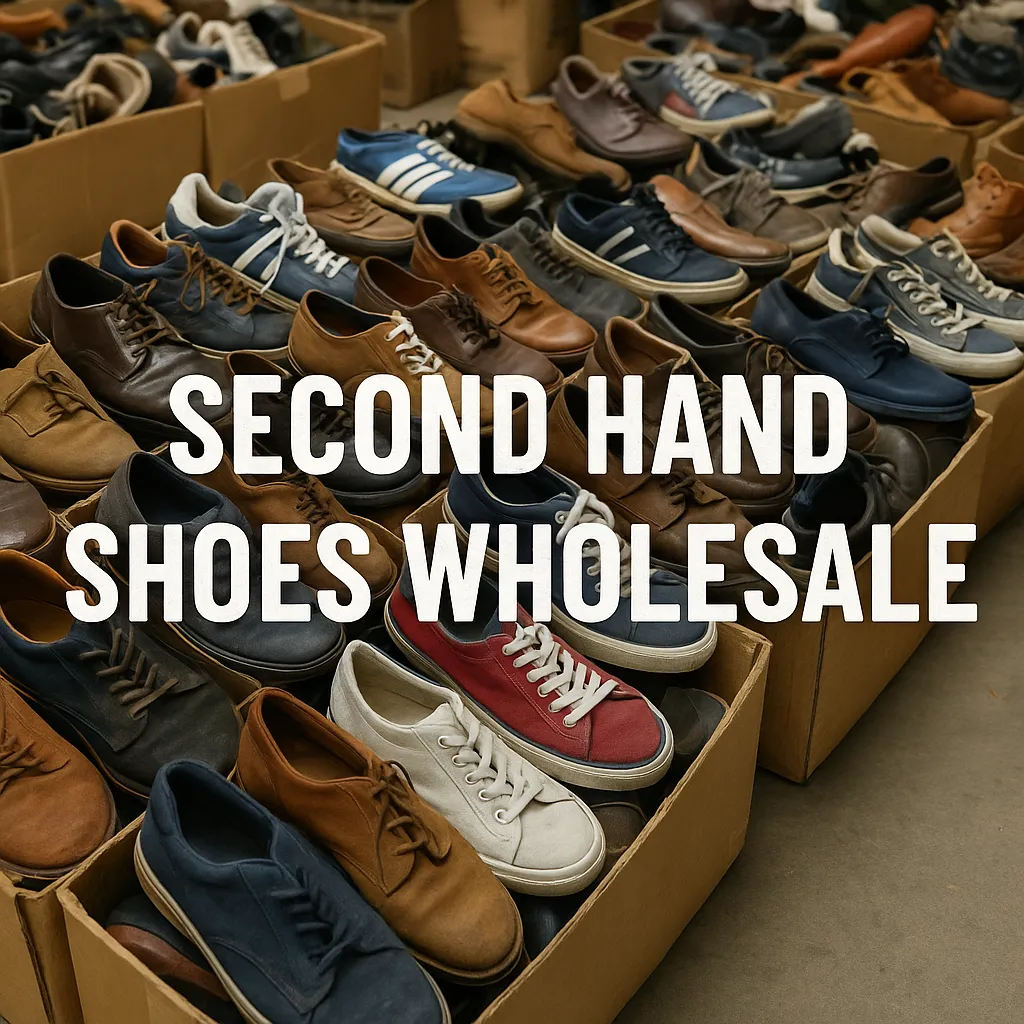
Second hand shoes wholesale can provide remarkable opportunities for businesses looking to expand their product offerings while remaining environmentally conscious. The increasing demand for sustainable fashion has led many retailers to explore options beyond traditional retail sourcing. This shift not only promotes environmental sustainability but also allows businesses to tap into a thriving market filled with unique and diverse footwear options. By opting for wholesale second hand shoes, retailers can offer their customers a variety of styles at competitive prices, ensuring they stand out in a crowded marketplace. Sourcing second hand shoes also enables retailers to build a narrative around sustainability, appealing to consumers who are increasingly conscious of their purchasing decisions.
The Benefits of Sourcing Second Hand Shoes Wholesale
Sourcing second hand shoes wholesale offers numerous advantages, especially for small businesses and startups. First and foremost, the cost savings associated with purchasing footwear in bulk can significantly boost profit margins. Retailers can acquire high-quality shoes at a fraction of the original retail price, allowing them to pass on savings to their customers while still maintaining a healthy profit. Moreover, second hand shoes often come with a unique story and character that new shoes lack. This uniqueness can be a strong selling point in marketing campaigns, attracting customers who are looking for distinctive products. Additionally, wholesale suppliers typically provide a wide variety of styles and sizes, ensuring that retailers can cater to diverse customer preferences. By offering a mix of vintage, contemporary, and designer second hand footwear, businesses can create an eclectic inventory that appeals to a broader audience.
Quality Assurance and Sourcing Strategies
When it comes to second hand shoes wholesale, quality assurance is paramount. Retailers must establish reliable sourcing strategies to ensure the integrity of their products. Partnering with reputable suppliers who specialize in second hand footwear is essential for maintaining quality standards. These suppliers often have established processes for inspecting and refurbishing shoes, ensuring that retailers receive products that are not only visually appealing but also functional and durable. Retailers should conduct thorough research to identify suppliers with a proven track record and positive customer reviews. Furthermore, visiting suppliers’ warehouses or attending trade shows can provide valuable insights into their inventory and sourcing practices. By fostering strong relationships with suppliers, retailers can gain access to exclusive deals and limited-edition releases, further enhancing their product offerings.
Marketing Strategies for Second Hand Shoes
Effective marketing strategies are crucial to the success of businesses selling second hand shoes wholesale. Retailers should focus on building a strong brand identity that resonates with environmentally conscious consumers. Highlighting the sustainable aspects of second hand shoes in marketing materials can significantly enhance appeal. Utilizing social media platforms to showcase unique footwear selections, customer testimonials, and sustainability stories can help create a loyal customer base. Collaborating with influencers in the sustainable fashion space can also amplify reach and attract new customers. Additionally, offering promotions, discounts, or loyalty programs can incentivize purchases and encourage repeat business. Creating an engaging online presence through a well-designed website and active social media channels can further drive traffic and sales for retailers sourcing second hand shoes wholesale.
Challenges and Considerations in the Second Hand Shoe Market
While the market for second hand shoes wholesale presents significant opportunities, it is not without challenges. One major consideration is the potential perception of quality among consumers. Some shoppers may associate second hand products with lower quality, which can deter them from making a purchase. Retailers must actively work to counter this perception by emphasizing the quality of their products and the rigorous sourcing processes they employ. Transparency in sourcing, including sharing stories about the origin of the shoes and the refurbishment process, can help build trust with customers. Another challenge is managing inventory effectively. Retailers need to strike a balance between offering a wide variety of styles and sizes while avoiding overstocking. Implementing effective inventory management systems can help ensure that retailers have the right products available without excessive waste.
Building a Sustainable Business Model
Incorporating second hand shoes wholesale into a business model can contribute to a more sustainable future. Retailers should consider adopting practices that minimize waste, such as recycling unsold inventory or collaborating with organizations focused on clothing and shoe recycling. Offering shoe repair services or workshops can also engage customers and foster community relationships. By actively promoting sustainability, retailers can differentiate themselves from competitors and attract a loyal customer base that values ethical consumption. Furthermore, sharing the environmental impact of purchasing second hand shoes—such as reducing carbon footprints and conserving resources—can resonate with consumers and encourage them to support sustainable businesses.
Leveraging Technology in the Second Hand Shoe Market
Technology plays a pivotal role in the growth of the second hand shoes wholesale market. Retailers can utilize e-commerce platforms to reach a global audience, making it easier for customers to browse and purchase unique footwear. Implementing advanced analytics can help retailers understand customer preferences and tailor their inventory accordingly. Social media marketing campaigns can leverage targeted advertising to reach specific demographics interested in sustainable fashion. Additionally, mobile applications can enhance the shopping experience by allowing customers to easily search for and purchase second hand shoes. Retailers who embrace technology not only streamline their operations but also enhance customer engagement and satisfaction. Ultimately, the integration of technology within the second hand shoe market can drive growth and position businesses for long-term success.
Conclusion: Embracing the Second Hand Shoe Market
As businesses navigate the evolving landscape of retail, embracing second hand shoes wholesale can be a strategic move that aligns with both consumer demand and sustainability goals. By understanding the benefits, challenges, and marketing strategies associated with this niche, retailers can carve out a profitable space in the market. Focusing on quality assurance, effective sourcing, and innovative marketing approaches will not only attract customers but also foster brand loyalty. As the world becomes more conscious of environmental impacts, second hand shoes provide an opportunity for businesses to contribute positively while thriving economically. Retailers are encouraged to explore the potential of second hand shoes wholesale, leveraging their unique qualities to build a sustainable and successful business.
FAQ
What are the benefits of second hand shoes wholesale?
Sourcing second hand shoes wholesale offers retailers numerous advantages, including cost savings, a unique inventory, and the ability to cater to environmentally conscious consumers. By purchasing in bulk, businesses can reduce their costs significantly, allowing for more competitive pricing. The unique character of second hand shoes also appeals to customers looking for distinctive styles. Moreover, selling sustainably sourced footwear aligns with the growing consumer trend towards ethical shopping, making second hand shoes an attractive option for retailers aiming to build a loyal customer base.
How can I ensure the quality of second hand shoes?
Ensuring the quality of second hand shoes requires establishing partnerships with reputable suppliers who specialize in refurbishing and inspecting footwear. Retailers should conduct thorough research on potential suppliers, seeking out those with positive reviews and a solid track record. Additionally, visiting suppliers and examining their processes can provide insights into their quality assurance measures. By fostering strong relationships with trusted suppliers, retailers can maintain high-quality standards in their inventory, enhancing customer trust and satisfaction.
What marketing strategies work best for second hand shoes?
Effective marketing strategies for second hand shoes should focus on highlighting the unique aspects of the products and the sustainability behind them. Utilizing social media platforms to showcase diverse footwear options, customer experiences, and sustainability stories can engage potential customers. Collaborating with influencers who prioritize ethical fashion can broaden reach. Additionally, offering promotions or loyalty programs can incentivize purchases, while a well-designed website enhances the online shopping experience, driving sales and customer loyalty.
Are there any challenges in the second hand shoe market?
Yes, there are challenges in the second hand shoe market, including overcoming the perception of lower quality among consumers. Retailers must actively counter this by emphasizing the quality of their inventory and the sourcing processes they follow. Managing inventory effectively is another challenge, as retailers need to find the right balance between variety and excess stock. Implementing robust inventory management systems can help mitigate these issues, ensuring that retailers can meet customer demand without generating waste.
How can technology help in the second hand shoe market?
Technology can significantly enhance the second hand shoe market by facilitating e-commerce and improving customer engagement. Retailers can leverage online platforms to reach a wider audience, while advanced analytics can help them tailor their inventory to customer preferences. Social media marketing can utilize targeted advertising to attract specific demographics interested in sustainable fashion. Additionally, mobile applications can improve the shopping experience, making it easier for customers to browse and purchase unique second hand shoes.
What should I consider when starting a second hand shoe business?
When starting a second hand shoe business, consider the quality of your supply chain, your marketing strategies, and the sustainability of your practices. Establishing strong relationships with reliable suppliers is crucial for maintaining quality standards. Additionally, developing effective marketing strategies that highlight your unique offerings and sustainability efforts can attract customers. Lastly, consider implementing eco-friendly practices, such as recycling unsold inventory or offering repair services, to enhance your brand identity and align with consumer values.
| Supplier | Location | Quality Rating | Average Price | Contact |
|---|---|---|---|---|
| Sustainable Shoes Co. | Italy | 5/5 | €20 | Contact |
| Eco-Friendly Footwear | USA | 4.5/5 | €15 | Contact |
| Vintage Kicks | UK | 4/5 | €25 | Contact |
| Classic Footwear Supply | Germany | 4.7/5 | €18 | Contact |
| Global Recycled Shoes | France | 5/5 | €22 | Contact |
Explore our products here and learn more about our social mission here. Join the movement towards sustainable fashion!
Disclaimer: The information provided in this article is for informational purposes only and should not be considered professional advice. Please conduct your own research before making any purchasing decisions.