Finding Reliable Used Clothes Wholesalers
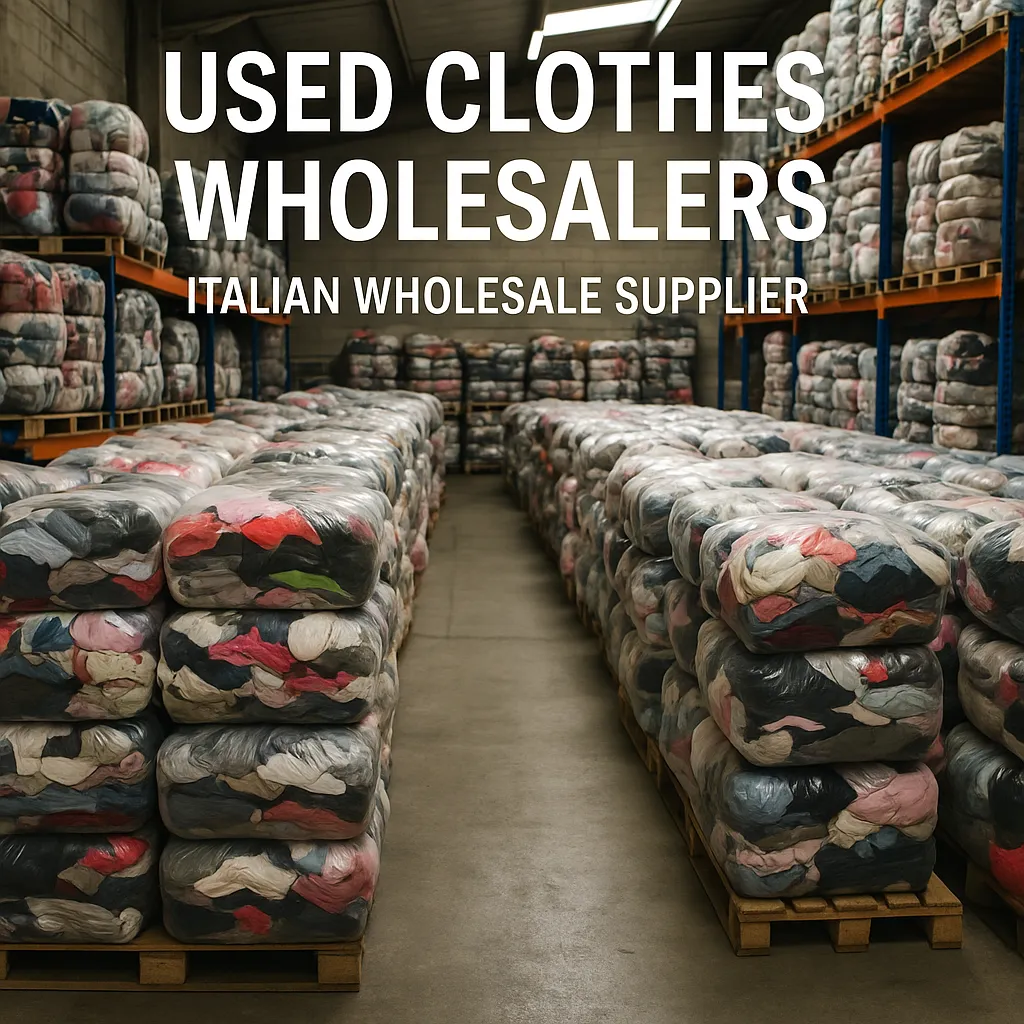
Used clothes wholesalers play a crucial role in today’s sustainable fashion industry, providing retailers with access to affordable, quality garments. The market for second-hand clothing has surged in recent years, driven by consumers' growing awareness of environmental issues and a desire to support eco-friendly practices. In this article, we will explore the benefits of sourcing from used clothes wholesalers, how to find reputable suppliers, and the various factors to consider when building your inventory. By understanding the dynamics of this market, you can strategically position your business to meet the demands of eco-conscious consumers.
The Benefits of Sourcing from Used Clothes Wholesalers
Partnering with used clothes wholesalers offers numerous advantages for businesses looking to expand their inventory without breaking the bank. One of the most significant benefits is cost savings; wholesale prices on used garments are typically much lower than those for new clothing. This allows retailers to maintain competitive pricing while still achieving healthy profit margins. Additionally, sourcing second-hand clothing contributes to environmental sustainability by reducing waste and promoting recycling. This aligns well with the values of a growing segment of consumers who prioritize eco-friendly products. Furthermore, wholesalers often provide a wide variety of styles and sizes, allowing retailers to cater to diverse customer preferences and trends. By tapping into this rich resource, businesses can quickly adapt to changes in fashion and consumer demand, all while fostering a more sustainable approach to retail.
How to Find Reliable Used Clothes Wholesalers
Finding reputable used clothes wholesalers requires thorough research and networking within the industry. Start by attending trade shows and industry events where wholesalers showcase their products. These gatherings provide an excellent opportunity to meet suppliers face-to-face, evaluate the quality of their offerings, and establish relationships. Additionally, online directories and platforms specializing in wholesale clothing can be valuable resources. Websites that cater to the second-hand clothing market often list verified wholesalers, making it easier to find trustworthy suppliers. Moreover, joining industry-specific forums and social media groups can yield recommendations from fellow retailers who have experience with various wholesalers. It's essential to conduct due diligence by checking reviews, requesting samples, and comparing prices before finalizing partnerships to ensure you are working with reliable sources.
Factors to Consider When Choosing a Wholesaler
When selecting a used clothes wholesaler, several key factors should guide your decision-making process. First and foremost, assess the quality of the garments. Ensure that the wholesaler offers items that are in good condition, as the reputation of your store hinges on the quality of the products you sell. Next, consider the variety of clothing offered; a wholesaler with a diverse selection can help you appeal to a broader audience. Pricing is another critical aspect; while lower prices are attractive, it's essential to balance cost with quality. Additionally, evaluate the wholesaler's shipping policies and delivery times, as timely inventory replenishment is vital for maintaining stock levels. Lastly, investigate their return policy and customer service quality, as these factors can significantly impact your experience as a retailer.
Building a Successful Relationship with Wholesalers
Establishing a successful working relationship with used clothes wholesalers is vital for the long-term success of your business. Communication is key; maintaining an open dialogue can help address any issues that may arise and facilitate smoother transactions. Regularly providing feedback can also aid wholesalers in improving their offerings to better suit your needs. Additionally, consider negotiating terms that work for both parties; this may involve discussing pricing structures, order quantities, and payment terms. Building trust is essential; by consistently honoring agreements and demonstrating reliability, you can foster a partnership that benefits both your business and the wholesaler. Moreover, consider collaborating on marketing efforts to promote the unique offerings of your store, which can enhance brand visibility and drive sales.
Inventory Management and Trends
Effective inventory management is crucial when working with used clothes wholesalers. Given the ever-changing nature of fashion trends, it’s important to stay updated on what styles are in demand. Regularly analyze sales data to identify which items perform well and adjust your purchasing strategy accordingly. This not only helps in stocking the right products but also minimizes excess inventory that can lead to markdowns and losses. Additionally, consider implementing a seasonal strategy; certain clothing types may be more appealing during specific times of the year. By aligning your purchasing decisions with seasonal trends, you can maximize sales opportunities while maintaining a fresh and appealing inventory. Remember to balance the urgency of quick turnover with the need to offer classic pieces that have lasting appeal.
Conclusion
In conclusion, sourcing from used clothes wholesalers presents a fantastic opportunity for retailers looking to enhance their offerings while adhering to sustainable practices. The benefits extend beyond cost savings; they also encompass environmental responsibility and the ability to meet diverse consumer needs. As you navigate this vibrant market, remember to conduct thorough research, establish strong relationships with suppliers, and stay informed about industry trends. By doing so, you position your business to thrive in the competitive landscape of second-hand clothing retail. Don't miss out on the chance to make a positive impact while growing your business—start exploring the world of used clothes wholesalers today!
| Wholesaler Name | Location | Specialization | Contact | Website |
|---|---|---|---|---|
| EcoFashion Wholesale | California, USA | Vintage Apparel | [email protected] | ecofashion.com |
| Green Threads | London, UK | Casual Wear | [email protected] | greenthreads.co.uk |
| Thrifted Treasures | Toronto, Canada | Designer Brands | [email protected] | thriftedtreasures.ca |
| Second Chance Styles | Sydney, Australia | Children’s Clothing | [email protected] | secondchance.com.au |
| Reclaimed Fashion | Berlin, Germany | Eco-Friendly Clothing | [email protected] | reclaimedfashion.de |
For more information on how to source quality garments and stay updated on the latest trends, visit our products page or follow our social mission. Start your journey towards sustainable fashion today!
FAQ
What are the benefits of working with used clothes wholesalers?
Partnering with used clothes wholesalers offers significant advantages, including cost savings, a diverse range of products, and access to eco-friendly options. By sourcing second-hand clothing, retailers can maintain competitive pricing while appealing to environmentally conscious consumers. Additionally, wholesalers often provide a wide variety of styles and sizes, enabling retailers to meet the diverse preferences of their customers. This partnership not only supports a sustainable market but also enhances the potential for profit and customer loyalty.
How can I find reliable used clothes wholesalers?
To locate trustworthy used clothes wholesalers, start by attending trade shows and industry events where you can meet suppliers directly. Online directories and platforms that specialize in wholesale clothing are also valuable resources. Additionally, engaging in industry-specific forums and social media can provide recommendations from other retailers. Always conduct thorough research by checking reviews, requesting samples, and comparing prices before finalizing any agreements.
What factors should I consider when choosing a wholesaler?
When selecting a used clothes wholesaler, consider aspects like garment quality, variety, pricing, shipping policies, and customer service. Ensure the wholesaler offers items in good condition and has a diverse selection that aligns with your target market. Evaluate their pricing structure to maintain healthy profit margins, and assess their shipping reliability to avoid inventory shortages. Good customer service and return policies are also essential for a smooth transaction experience.
How can I manage my inventory effectively?
Effective inventory management involves analyzing sales data to identify popular items and adjusting purchasing strategies accordingly. Stay informed about fashion trends and consider implementing a seasonal strategy to align your stock with consumer demand. Regularly evaluate your inventory levels to prevent overstocking and markdowns, and maintain a balance between trendy pieces and timeless classics to satisfy customer preferences.
What are some best practices for building relationships with wholesalers?
To foster strong relationships with used clothes wholesalers, prioritize open communication and provide regular feedback. Establishing trust through reliable transactions is crucial for long-term partnerships. Consider negotiating terms that benefit both parties and collaborate on marketing initiatives to promote your store’s unique offerings. By developing a cooperative relationship, you can ensure smoother business operations and better inventory options.
Disclaimer: The information provided in this article is for educational purposes only and does not constitute professional advice. Please conduct your own research before engaging in any business transactions.