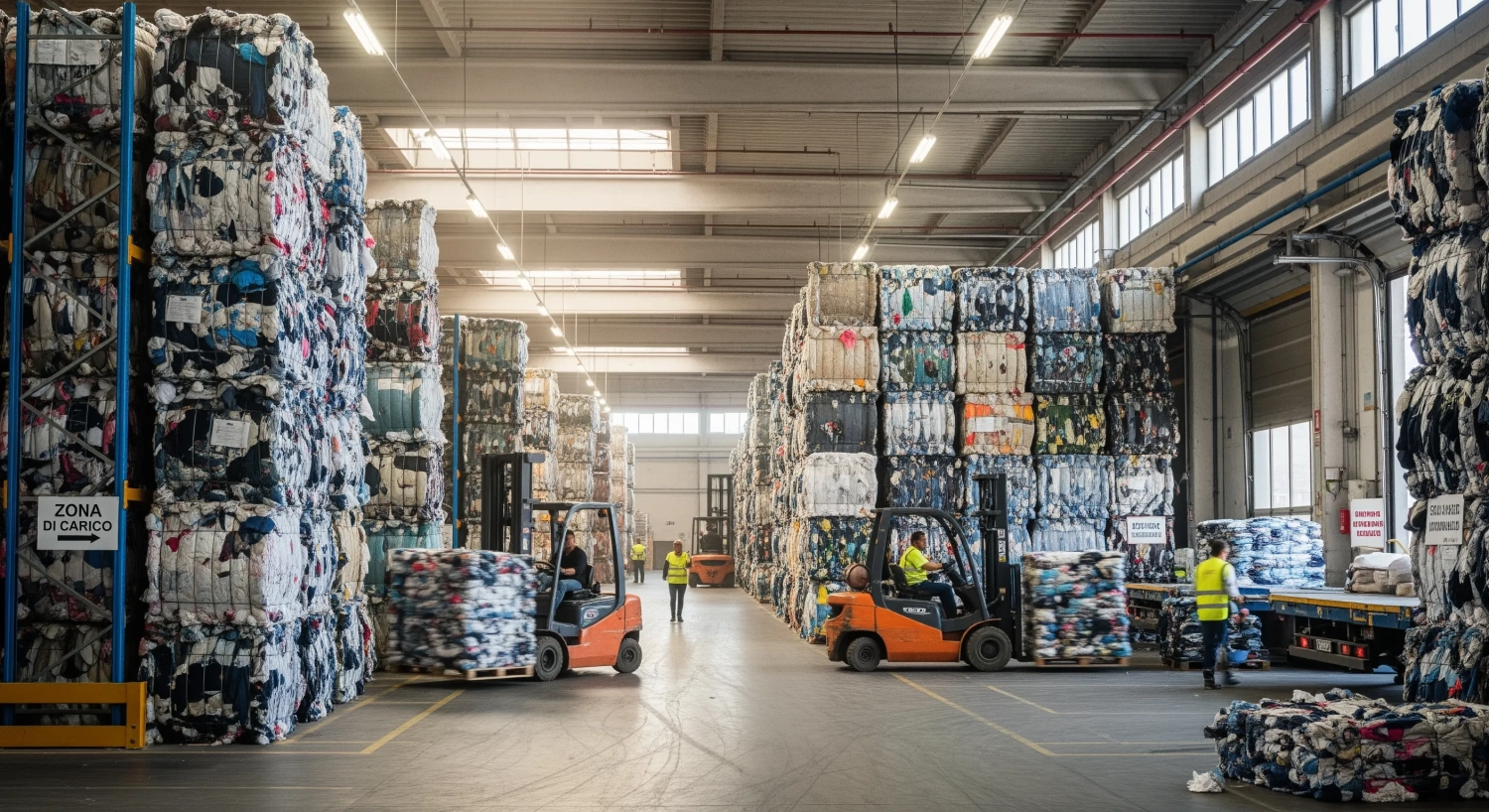
As the demand for sustainable fashion rises, B2B buyers seeking quality wholesale second hand clothing have a valuable opportunity in Italy’s bustling wholesale market. The logistics hub of Marcianise Sud, located in Caserta, serves as a strategic point for trade buyers across Europe looking to source bulk second hand apparel. With a minimum order quantity (MOQ) of 1000 kg, Recycling Italy caters to exporters, importers, and retailers aiming for cost-effective, quality stock. Optimize your supply chain and explore reliable direct suppliers in Italy’s vibrant textile recovery network.
Table of Contents
- Key Takeaways
- Understanding the B2B Second Hand Market
- Navigating Supplier Options
- Importance of Grading and Sorting
- Mitigating Risks in Wholesale Trade
- Benefits of Sourcing from Italy
Key Takeaways
| Focus Area | Details |
|---|---|
| MOQ | Commonly 1000 kg for B2B trades. |
| Grading | Essential for quality assurance in bulk. Inspect suppliers’ grading systems. |
| Logistics | Utilize EU customs readiness for efficient cross-border deliveries. |
| Risk Control | Establish clear payment and return policies to mitigate disputes. |
Understanding the B2B Second Hand Market
The B2B second hand market in Europe is evolving rapidly, driven by sustainability trends and the demand for cost-effective solutions. Italy, with its strong textile recycling initiatives and central location, attracts numerous wholesalers and retailers who wish to tap into these resources. Trade buyers can benefit from bulk purchasing, which not only reduces costs but also meets growing consumer interest in ethical fashion.
It’s important for buyers to conduct thorough research to understand market trends and pricing structures. With various suppliers available, trade buyers should assess quality levels and reliability by visiting warehouses or requesting samples before placing large orders. Tools such as the Wholesale Used Clothing Venice Guide can provide insights into regional pricing.
Navigating Supplier Options
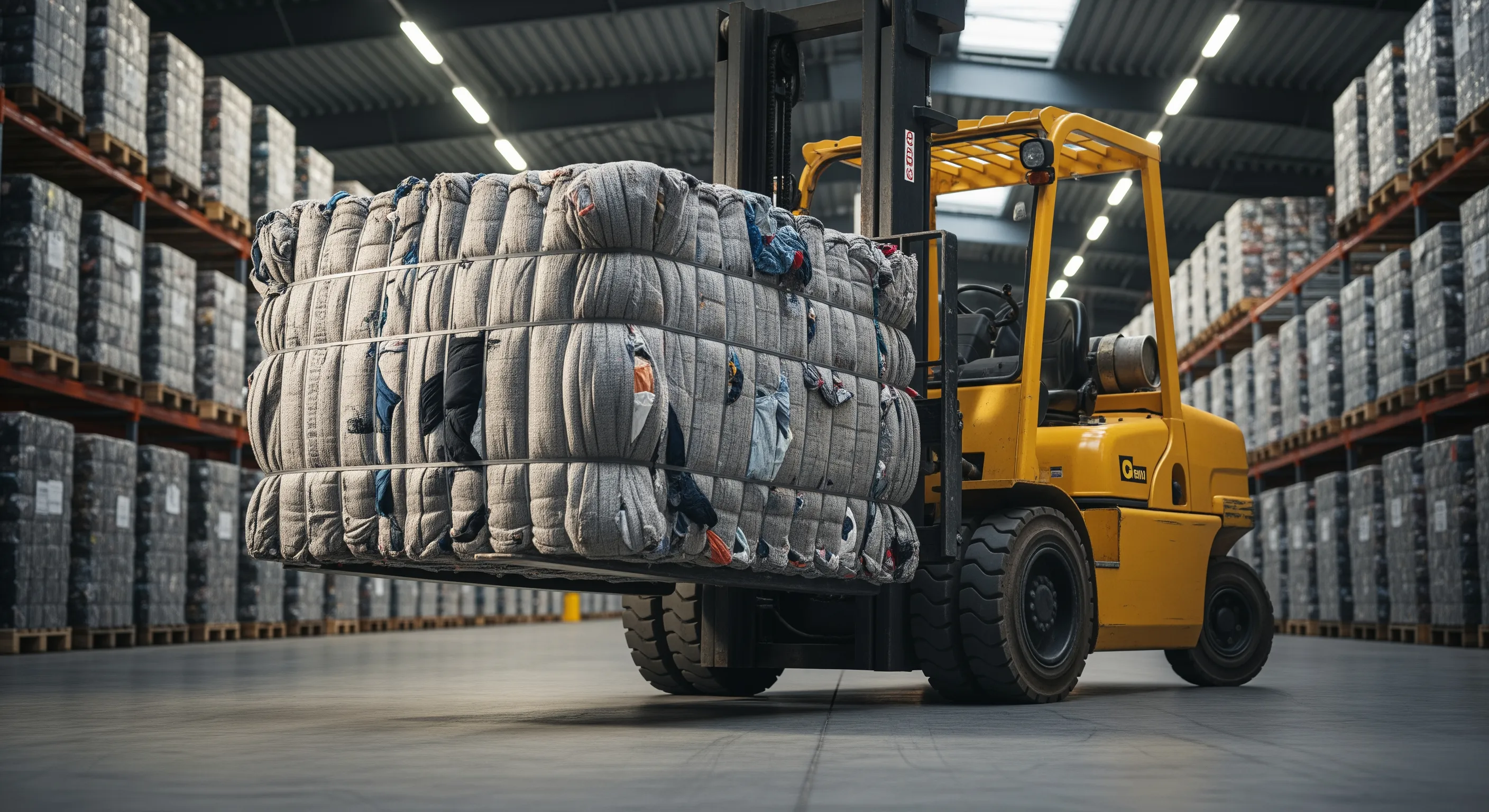
With an array of suppliers in the Italian wholesale market, trade buyers must navigate options carefully. Identifying suppliers with a proven track record, transparent pricing, and robust grading processes is crucial. Many wholesalers provide a range of stock, from unsorted bales to pre-selected clothing types. Engaging with trusted suppliers who understand the European clothing supply chain is essential for ensuring product quality and timely delivery.
Establishing long-term relationships with suppliers can lead to better pricing negotiations and preferred access to high-demand stock items. Networking through industry events or joining relevant trade associations can further enhance supplier options.
Importance of Grading and Sorting
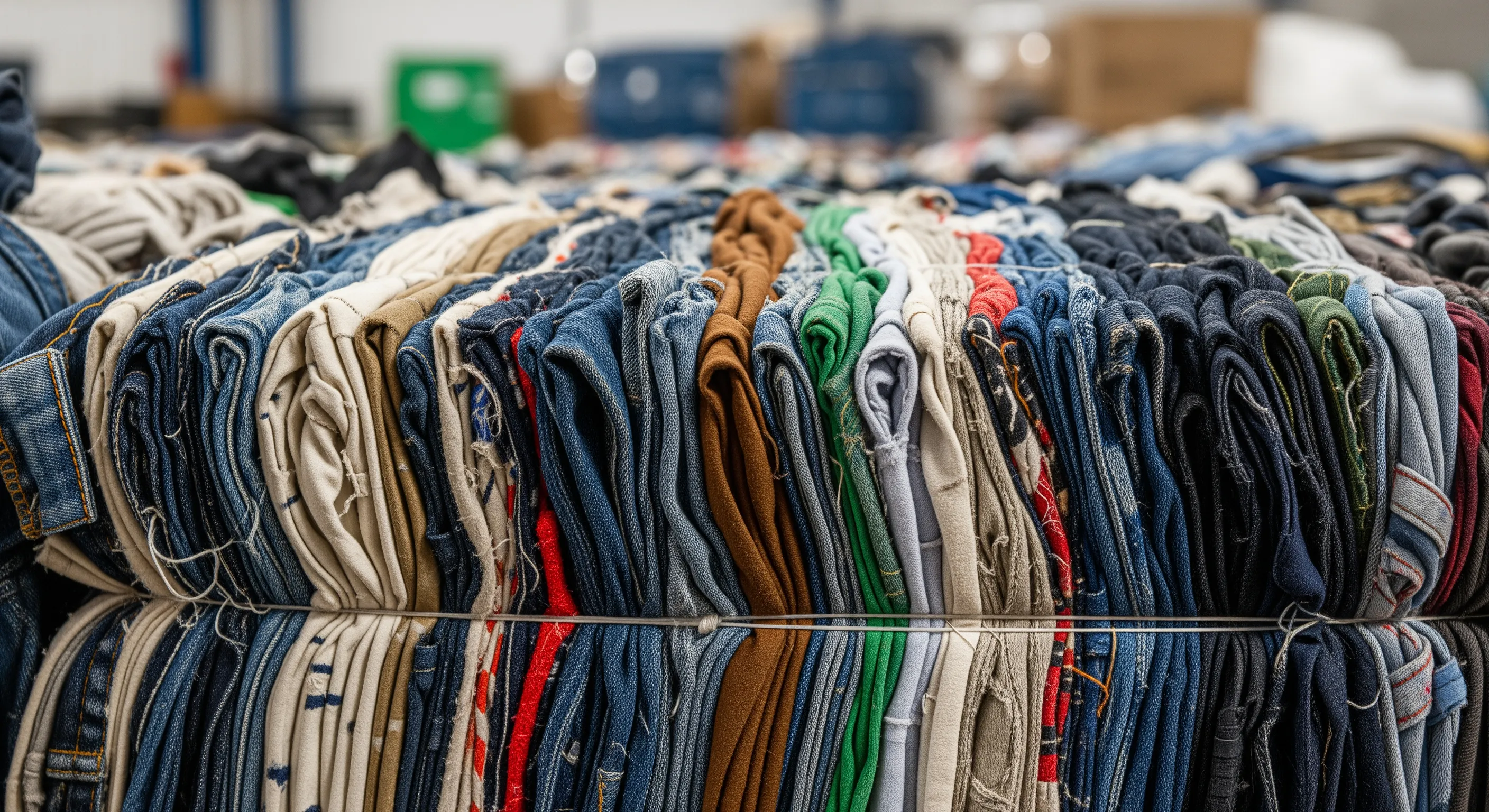
Grading and sorting are critical aspects of the second hand clothing wholesale process. Proper grading helps buyers gauge quality levels, ensuring they receive stock that meets their standards. Each grade should correspond to different pricing tiers, facilitating transparent transactions. Moreover, sorting enhances inventory management and makes it easier for retailers to offer appealing product lines.
Trade buyers should prioritize suppliers that implement rigorous quality control measures. Discussing grading criteria upfront with suppliers can prevent future misunderstandings and ensure beneficial partnerships.
Mitigating Risks in Wholesale Trade
In the wholesale clothing business, risk mitigation is vital to ensure smooth transactions. Common risks include grading disputes, damage during transit, and compliance with local regulations. Implementing a robust risk management strategy can protect both buyers and suppliers. Clear contracts that outline responsibilities, payment terms, and return procedures can enhance trust and accountability.
Additionally, maintaining an active dialogue with suppliers helps address any issues promptly. Trade buyers should keep abreast of EU regulatory changes that might impact logistics and compliance, ensuring their operations remain efficient.
| Risk | Cause | Mitigation |
|---|---|---|
| Grading Disputes | Lack of uniform standards | Establish clear grading agreements |
| Transit Damage | Improper packaging | Implement quality packaging protocols |
| Compliance Issues | Regulatory changes | Stay informed about local laws |
| Payment Terms | Unclear agreements | Define payment expectations in detail |
Benefits of Sourcing from Italy
Sourcing second hand clothing from Italy provides numerous advantages for trade buyers. With its well-established infrastructure, Italy boasts a reliable logistics network that enables efficient transportation across Europe. Additionally, the focus on sustainability and circular economy initiatives aligns with global trends, appealing to consumers looking for eco-friendly options.
Moreover, Italy’s diverse textile industry offers a variety of quality stock options that can cater to various market segments. Engaging with local suppliers allows buyers to foster relationships that can lead to improved pricing and access to exclusive inventory. Understanding the dynamics of sourcing within Italy can significantly enhance a buyer's competitive edge in the European market.
Pro tip: Always prioritize building strong relationships with your suppliers to facilitate better deals and tailored service for your specific business needs.
Get a B2B Quote for Italian Second-Hand and Stock Clothing
For trade buyers who need consistent bulk supply, clear grading and efficient EU delivery, explore Recycling Italy at recyclingitaly.com. To request a quote or schedule a warehouse visit near Caserta, contact the team here: Contact Us.
Frequently Asked Questions
What is the minimum order quantity for wholesale second hand clothing?
The typical minimum order quantity is often 1000 kg.
How can I ensure the quality of second hand clothing?
Verify grading standards with your supplier and request samples to assess quality.
What are the shipping options for second hand clothing from Italy?
Italian suppliers usually offer various shipping methods, utilizing efficient logistics networks for timely deliveries.
How can I stay informed about compliance regulations?
Regularly consult industry resources and associations to stay updated on legal requirements affecting your operations.