Essential Guide to Buying Second Hand Clothes in Bulk
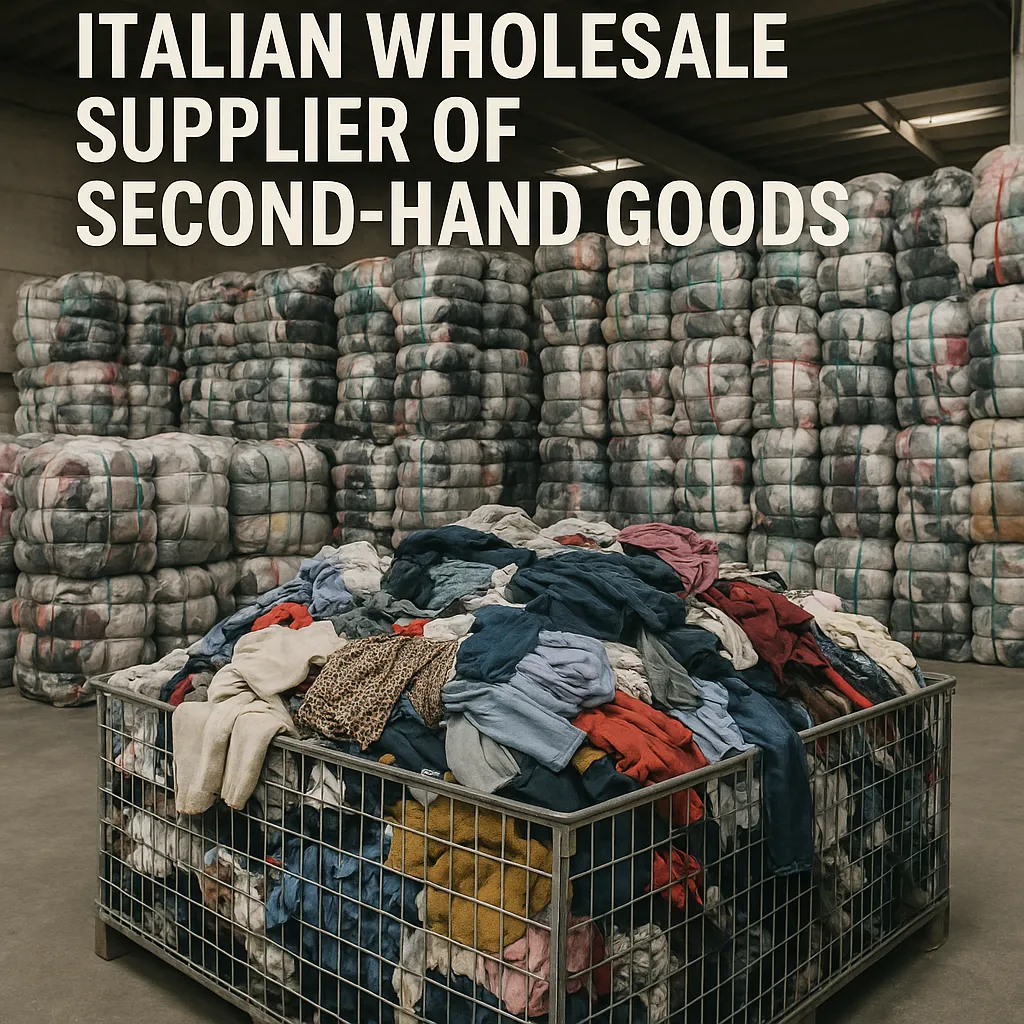
Buying second hand clothes in bulk has become a popular trend for many individuals and businesses looking to embrace sustainable fashion while saving money. Second hand clothing not only reduces waste but also provides unique pieces that contribute to a circular economy. The rising awareness of environmental issues has encouraged consumers to seek alternatives to fast fashion, making bulk purchasing of second hand clothes an appealing option. This guide aims to explore the benefits, challenges, and practical tips for anyone interested in diving into the world of bulk second hand clothing.
The Benefits of Buying Second Hand Clothes in Bulk
The advantages of buying second hand clothes in bulk are numerous and significant. One of the primary benefits is the cost savings. When purchasing in bulk, you can negotiate better prices and often receive discounts that aren't available for smaller orders. This can be especially advantageous for resellers or thrift store owners who need to maintain a profitable margin while providing affordable options to consumers. Furthermore, bulk buying supports sustainable shopping practices, as it helps reduce the demand for new clothing production, which is a major contributor to pollution and waste. By choosing second hand options, you also contribute to the longevity of garments, giving them a new life instead of allowing them to end up in landfills. Additionally, bulk purchasing can provide access to a diverse range of styles and sizes, allowing for a more comprehensive inventory that caters to different customer preferences.
Where to Source Second Hand Clothes in Bulk
Finding reliable sources for bulk second hand clothing can be a bit of a challenge, but there are several avenues worth exploring. Thrift stores, especially those that offer bulk sales or wholesale options, can be a great starting point. Many thrift stores are willing to clear out inventory and may offer discounts for larger purchases. Additionally, local charity organizations often have surplus clothing that they are eager to sell in bulk to support their missions. Online platforms and marketplaces specifically designed for bulk clothing sales are another valuable resource. Websites that specialize in wholesale second hand clothing allow buyers to browse extensive catalogs and choose items based on specific criteria, such as size, style, or condition. Networking with other clothing resellers and attending trade shows can also open doors to new suppliers and unique finds, making it easier to build a reliable inventory of second hand clothes.
Considerations When Buying Second Hand Clothes in Bulk
While buying second hand clothes in bulk offers numerous benefits, there are also important considerations to keep in mind. It's essential to assess the quality of the clothes you are purchasing. Inspect items carefully for any damages, stains, or wear that could affect their resale value. Establishing a strong relationship with your supplier can help, as they may provide insights into the items' conditions. Additionally, understanding your target market is crucial. Consider what styles, sizes, and types of clothing will appeal most to your customers, so you can make informed purchasing decisions. Inventory management is also important when dealing with bulk purchases. Ensure you have adequate storage space and a system in place to track your stock levels, as this will help you avoid overstocking or running out of popular items. Lastly, be mindful of the environmental impact; while second hand clothing is more sustainable than new, it's still important to buy only what you can realistically sell and avoid contributing to overconsumption.
Promoting Your Bulk Second Hand Clothing
Once you have acquired your bulk second hand clothes, the next step is to promote and sell them effectively. Utilizing social media platforms is an excellent way to reach potential customers and showcase your unique inventory. Create visually appealing posts featuring your clothing items, and consider running promotional campaigns to attract more buyers. Collaborating with local influencers or fashion bloggers can also help spread the word about your offerings. Additionally, setting up an online store or using e-commerce platforms can significantly enhance your reach and streamline the purchasing process for your customers. Make sure to highlight the benefits of buying second hand, such as sustainability and cost savings, to attract eco-conscious shoppers. Engaging with your audience through newsletters or blog posts can further establish your brand as a trusted source for second hand clothing, potentially increasing customer loyalty and repeat business.
Challenges of Selling Second Hand Clothes in Bulk
Despite the many benefits, selling second hand clothes in bulk comes with its own set of challenges. One primary concern is the competition in the resale market, as more individuals and businesses enter the space. It's crucial to differentiate yourself through quality, customer service, and unique product offerings. Pricing can also be a challenge; while you want to offer competitive rates, you must ensure that your pricing strategy maintains your overall profit margins. Additionally, managing inventory can be difficult, especially if certain items don't sell as quickly as anticipated. This can lead to increased storage costs or the need to discount items to make room for new stock. Furthermore, keeping up with trends is vital, as consumer preferences can shift rapidly. Staying informed about current styles and market demands can help you make better purchasing decisions and keep your inventory fresh and appealing.
Conclusion: Making the Most of Buying Second Hand Clothes in Bulk
In conclusion, buying second hand clothes in bulk presents a unique opportunity to engage in sustainable fashion while also saving costs and providing valuable inventory for businesses and individuals alike. By understanding the benefits, sourcing effectively, and promoting strategically, you can build a successful venture centered around second hand clothing. It's essential to navigate the challenges thoughtfully and remain adaptable to the ever-evolving marketplace. By prioritizing quality, customer satisfaction, and environmental responsibility, you can make a positive impact while thriving in the bulk second hand clothing market. For those looking to get started on this journey, exploring our products or learning about our social mission can provide valuable insights. Embrace the world of second hand clothing and contribute to a more sustainable future.
Table of Bulk Second Hand Clothing Suppliers
| Supplier Name | Location | Specialty | Contact Info |
|---|---|---|---|
| Thrift Store A | New York, NY | General Apparel | [email protected] |
| Charity Shop B | Los Angeles, CA | Vintage Clothing | [email protected] |
| Warehouse C | Chicago, IL | Designer Wear | [email protected] |
| Market D | Miami, FL | Children's Clothes | [email protected] |
| Online Store E | Online | Men's Fashion | [email protected] |
FAQ
What are the best tips for buying second hand clothes in bulk?
When buying second hand clothes in bulk, it is essential to focus on quality, pricing, and sourcing. Begin by identifying reliable suppliers that offer a diverse range of clothing. Inspect each item for defects, as this will ensure you maintain a high standard for resale. Be aware of your target market to select items that will appeal to your customers. Additionally, consider negotiating prices for bulk purchases to maximize your profit margins. Lastly, implement effective inventory management strategies to keep track of your stock and avoid overbuying. This approach will help you navigate the market successfully.
How can I find reliable sources for second hand clothes?
Reliable sources for second hand clothes can be found through a variety of channels. Thrift stores often have bulk sales, and many charity organizations are willing to sell surplus clothing to support their missions. Additionally, online wholesale platforms specialize in bulk second hand clothing, allowing you to browse extensive catalogs. Networking with other resellers and attending trade shows can also provide leads on new suppliers. Building relationships with your sources is important, as it can lead to better deals and more reliable inventory in the long run.
What are the challenges of selling second hand clothes?
Selling second hand clothes comes with challenges such as competition, pricing strategies, and inventory management. As the resale market grows, distinguishing your offerings becomes crucial. You must set competitive prices while ensuring profitability. Managing inventory can also be tricky, especially if certain items do not sell quickly. Staying updated on market trends is necessary to keep your inventory relevant and appealing to consumers. Balancing these challenges with effective strategies can help ensure your success in the bulk second hand clothing market.
How can I promote my bulk second hand clothing business?
Promoting your bulk second hand clothing business involves leveraging social media, creating an online presence, and engaging with your target audience. Utilize platforms like Instagram and Facebook to showcase your unique inventory through visually appealing content. Collaborating with influencers can help increase your reach. Setting up an online store allows for easy access and purchasing. Additionally, consider sending newsletters or blog updates to keep customers informed about new arrivals and promotions, emphasizing the benefits of buying second hand to attract eco-conscious shoppers.
Is buying second hand clothes in bulk environmentally friendly?
Yes, buying second hand clothes in bulk is environmentally friendly as it supports sustainable fashion practices. This approach reduces the demand for new clothing production, which is a significant contributor to pollution and waste. By purchasing second hand, you are giving garments a new life and helping to divert them from landfills. This practice encourages a circular economy, where resources are reused and recycled, ultimately reducing environmental impact. Embracing bulk second hand clothing is an excellent way to contribute to a more sustainable future.
What types of clothing can I find when buying in bulk?
When buying second hand clothes in bulk, you'll find a diverse range of clothing options. This can include casual wear, formal attire, vintage pieces, and seasonal items. Depending on your supplier, you may also discover unique items like accessories, shoes, and outerwear. Sourcing from various suppliers can enhance your inventory's variety, catering to different customer preferences. By curating a well-rounded selection, you can attract a broader audience and meet the demands of various market segments.