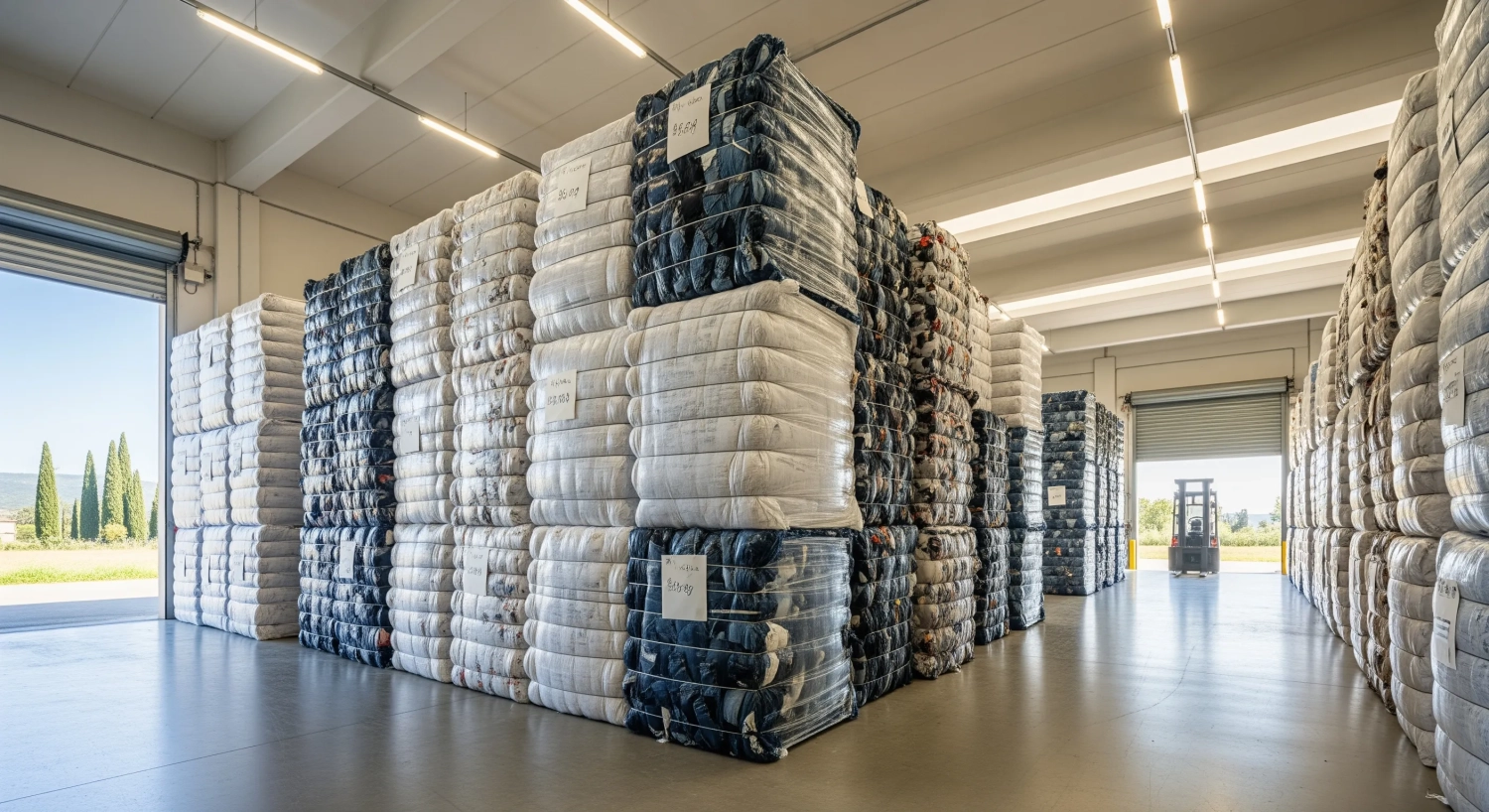
In the heart of Italy's Caserta region, businesses are discovering the growing importance of sourcing bulk second-hand clothing. With a strong focus on sustainable practices, wholesaling second-hand clothes poses significant opportunities for retailers, wholesalers, and exporters across Europe. In this article, we explore the landscape of reliable suppliers, incorporating logistics insights relevant to trade buyers looking to enhance their B2B strategies.
Table of Contents
- Understanding the Need for Bulk Second-Hand Clothing
- Where to Source High-Quality Wholesale Second-Hand Clothes
- The Importance of European Clothing Exporters
- Digital Platforms and Circular Shopping
- Addressing Recycling and Environmental Concerns
- Optimizing Your Wholesale Business Success
Understanding the Need for Bulk Second-Hand Clothing
The demand for bulk second-hand clothing is surging as consumers increasingly recognize the sustainability benefits. The shift towards eco-conscious shopping habits drives wholesalers to source used garments in bulk, enhancing their product range while contributing to a circular economy in clothing. As noted in a study exploring motivations for second-hand products, understanding consumer interests can significantly aid in identifying suitable suppliers and markets.
Additionally, businesses that invest in bulk second-hand clothing stand to benefit from competitive pricing models, which can lead to higher profit margins. Retailers can attract a diverse customer base that values quality and sustainability, thereby fostering loyalty and repeat purchases.
Where to Source High-Quality Wholesale Second-Hand Clothes
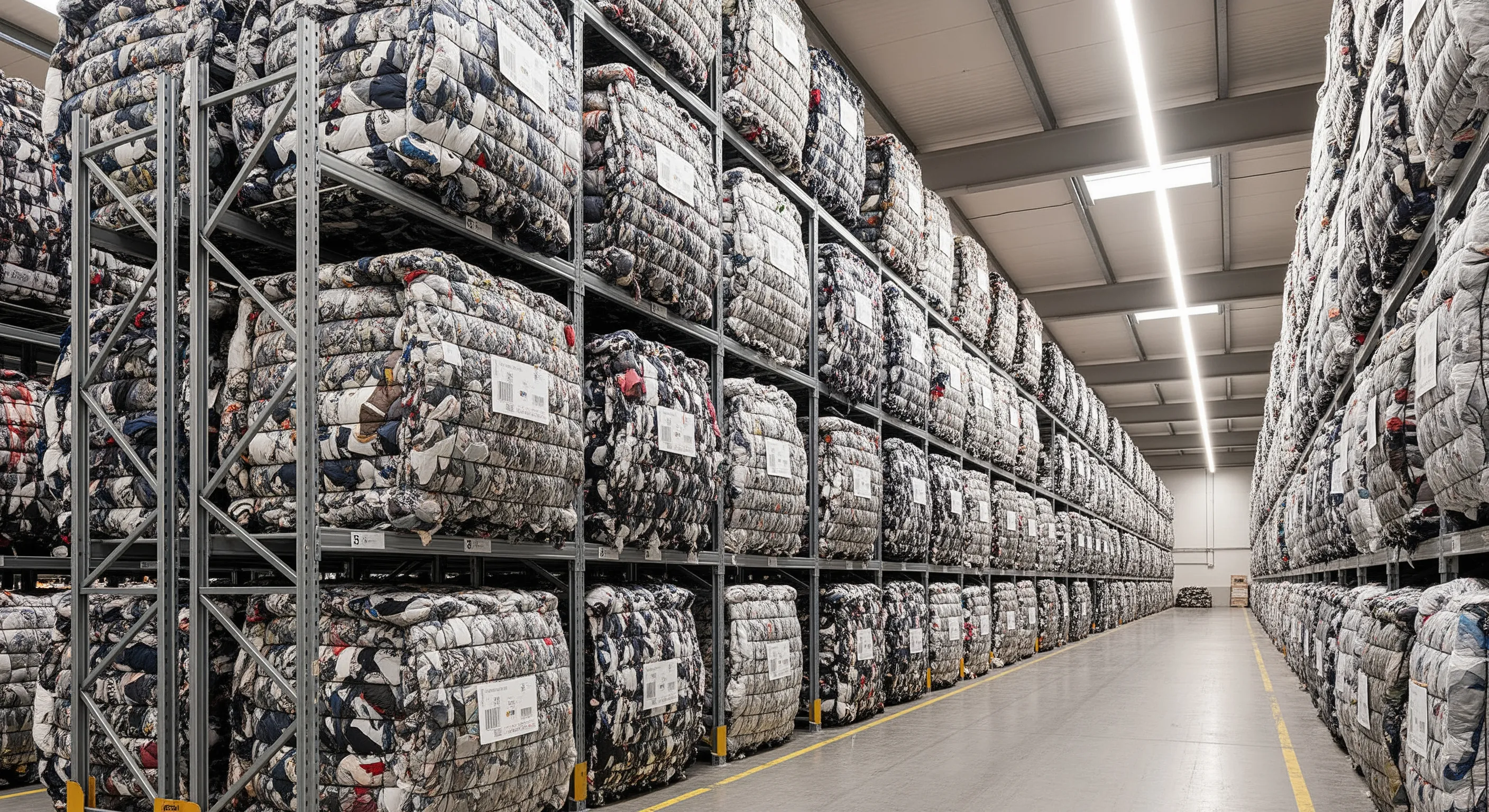
To ensure quality, B2B buyers should prioritize established suppliers who specialize in sorting and grading second-hand clothes. Different suppliers offer varying grades, which can impact price and quality. A reliable way to gauge supplier performance is through reviews and established networks in the industry. Comprehensive research can lead to better sourcing decisions, as emphasized in studies like examining factors influencing second-hand clothing adoption.
When sourcing, buyers should also consider logistical factors, such as shipping timelines and customs compliance to ensure a timely delivery process. Understanding the grading systems of used clothing will further help in navigating suppliers effectively.
The Importance of European Clothing Exporters
European clothing exporters play a pivotal role in the second-hand clothing market, providing a wide range of products to wholesalers and retailers across the continent. Maintaining strong partnerships ensures consistent supply and quality assurance, essential for successful bulk trading. Reports underscore how the integration of used clothes into the European supply chain is vital for supporting sustainable fashion initiatives. As illustrated in the research on circular shopping platforms, these collaborations drive sustainable practices forward.
By leveraging local networks, businesses can optimize their operations and adapt to changing market trends more effectively, enhancing their overall resilience in the dynamic B2B clothing sector.
Pro tip: Connecting with regional distributors can provide insights into emerging trends and opportunities within the second-hand clothing market.
Digital Platforms and Circular Shopping
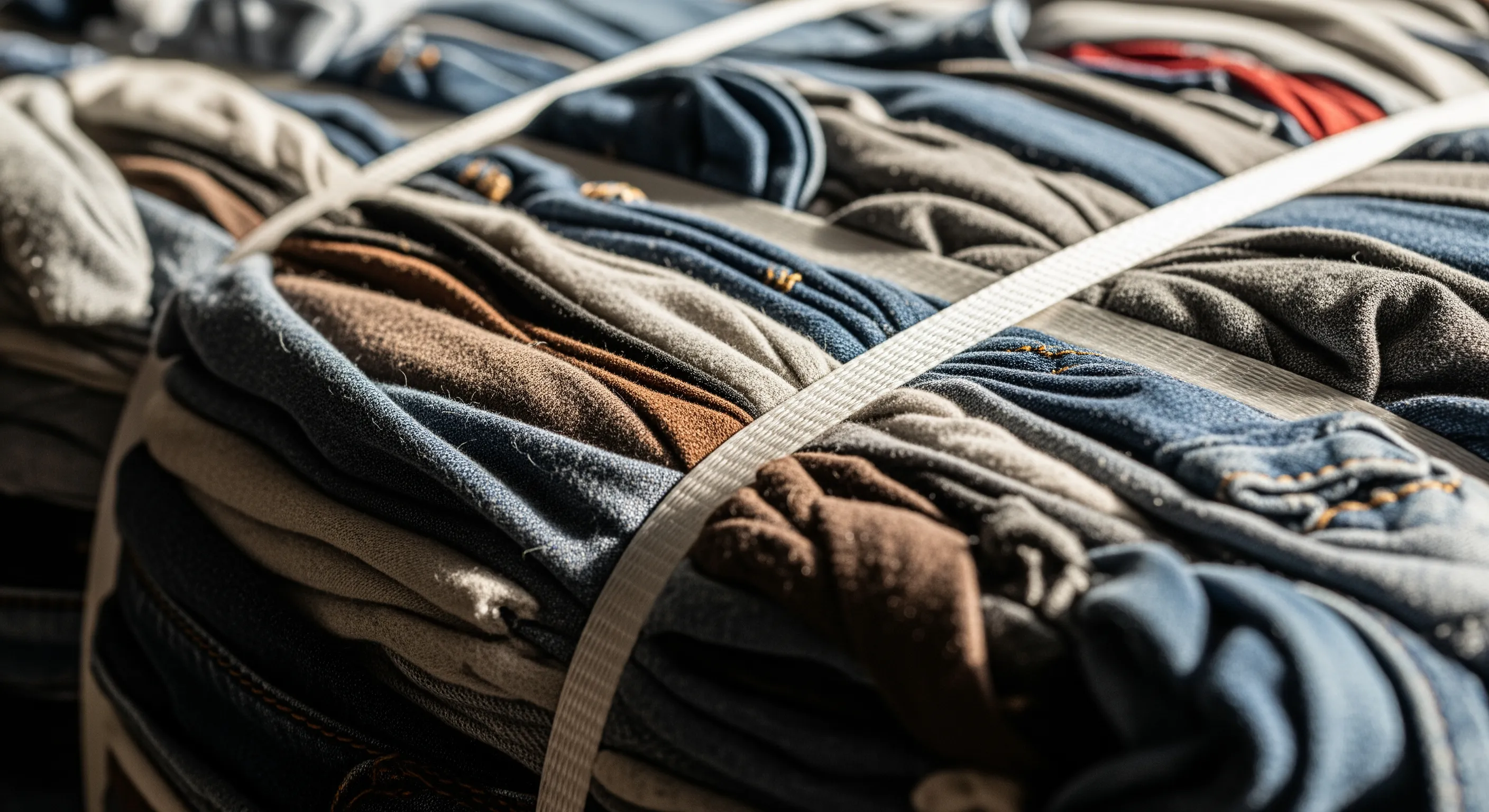
As the digital landscape evolves, platforms dedicated to circular shopping are gaining traction. These platforms facilitate connections between suppliers and retailers, streamlining sourcing processes while promoting sustainable practices. Businesses can leverage digital tools to access a broader market for second-hand goods without being limited to traditional channels. Digital initiatives transform how wholesalers and retailers interact, shifting the supply chain dynamics towards sustainability.
Research shows that the impact of online platforms significantly influences consumer behaviour towards sustainable clothing choices, further accelerating the growth of the second-hand market.
Addressing Recycling and Environmental Concerns
Recycling remains a critical component in the lifecycle of textiles. Reports highlight that less than half of used clothes are effectively collected for reuse or recycling. Focusing on ethical sourcing practices will enhance the credibility of a business in this sector. Incorporating regulations and strategies outlined in environmental studies like the Fashion Remodel Line policy report can provide guidance on sustainable practices.
Understanding and adhering to local regulations—such as those detailed in the Retail Trade regulations—is fundamental for businesses engaging in the second-hand market.
Optimizing Your Wholesale Business Success
To mitigate risks associated with sourcing second-hand clothing, businesses must employ strategies that account for various factors, from grading disputes to compliance issues. A risk management framework should include specific documentation, payment terms, and transportation protocols to safeguard transactions. Practical steps are essential in navigating this intricate supply chain effectively.
| Risk | Cause | Mitigation |
|---|---|---|
| Grading Disputes | Differences in supplier assessments | Implement standardized grading systems |
| Transit Damage | Improper handling during shipment | Use robust packaging materials |
| Compliance/Docs | Lack of adherence to local regulations | Maintain comprehensive documentation |
| Payment Terms | Disagreements over payment conditions | Establish clear agreements upfront |
Pro tip: Establishing clear communication channels with suppliers can prevent misunderstandings and streamline the purchasing process.
Get a B2B Quote for Italian Second-Hand and Stock Clothing
For trade buyers who need consistent bulk supply, clear grading and efficient EU delivery, explore Recycling Italy at recyclingitaly.com. To request a quote or schedule a warehouse visit near Caserta, contact the team here: Contact Us.
Frequently Asked Questions
What are bulk second-hand clothes?
Bulk second-hand clothes refer to large quantities of used garments sourced for resale or distribution, typically sold by weight or in bales.
How can I find reliable second-hand clothing suppliers?
To find reliable suppliers, research market reviews, request samples, and verify their grading systems.
What are the environmental benefits of buying second-hand clothing?
Buying second-hand clothing reduces waste, minimizes resource consumption, and promotes a sustainable fashion economy.
Are there specific regulations for importing second-hand clothing in Europe?
Yes, regulations vary by country; it's essential to review local customs and import laws when sourcing second-hand clothing.