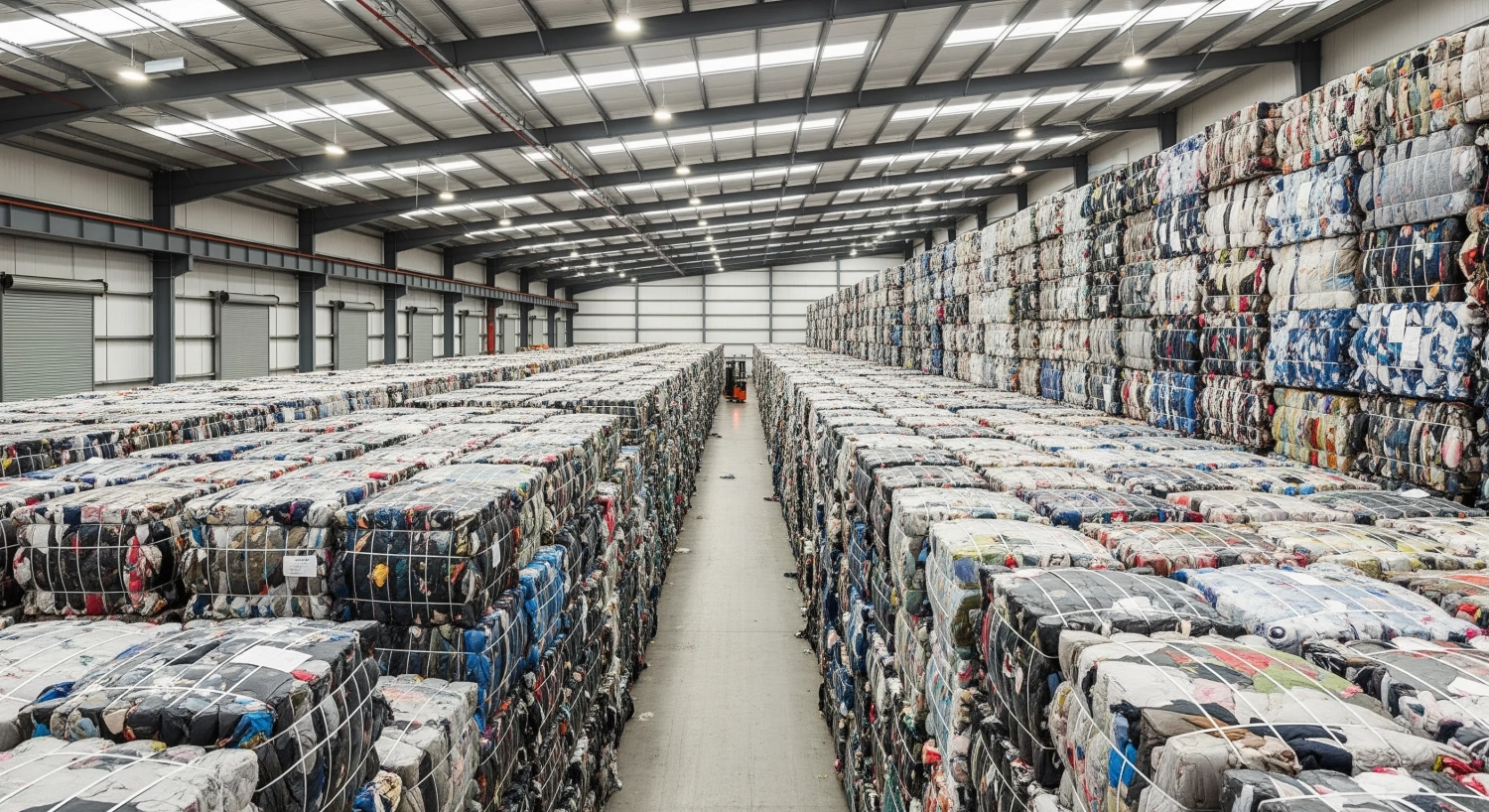
Looking for used clothes wholesale in Europe? Explore B2B suppliers in Italy and unlock bulk purchasing options for your business. Italy's logistics hub in Caserta provides a strategic advantage for trade buyers seeking quality second-hand clothing. As sectors across Europe pivot to sustainable practices, the demand for second-hand clothing continues to rise, making this an opportune time for wholesale operations.
Table of Contents
- Understanding the European Market
- Benefits of Choosing Italian Suppliers
- Bulk Ordering and Minimum Quantities
- Logistics and Delivery
- Quality Grading and Inspection
- Risk Management in Bulk Trading
Key Takeaways
| Aspect | Details |
|---|---|
| Minimum Order Quantity (MOQ) | Typically 1000 kg for bulk orders. |
| Grading Systems | Used clothes are graded by quality to meet buyer specifications. |
| Logistics | Cross-border delivery management is crucial for efficiency. |
| Payment Terms | Flexible payment options can help mitigate financial risk. |
Understanding the European Market
The European clothing market has seen a substantial shift towards sustainable practices, particularly with the rise of circular economies. With many brands and retailers seeking to reduce waste, second-hand clothing has become an attractive option. According to recent studies, the market for second-hand apparel is projected to grow, offering unique opportunities for wholesalers in this sector.
Italy, known for its fashion industry, hosts numerous suppliers who specialize in quality second-hand clothing. Understanding local dynamics helps in navigating supply chain strategies effectively. Incorporating sustainable trends into your business model can significantly enhance your competitive edge.
Benefits of Choosing Italian Suppliers
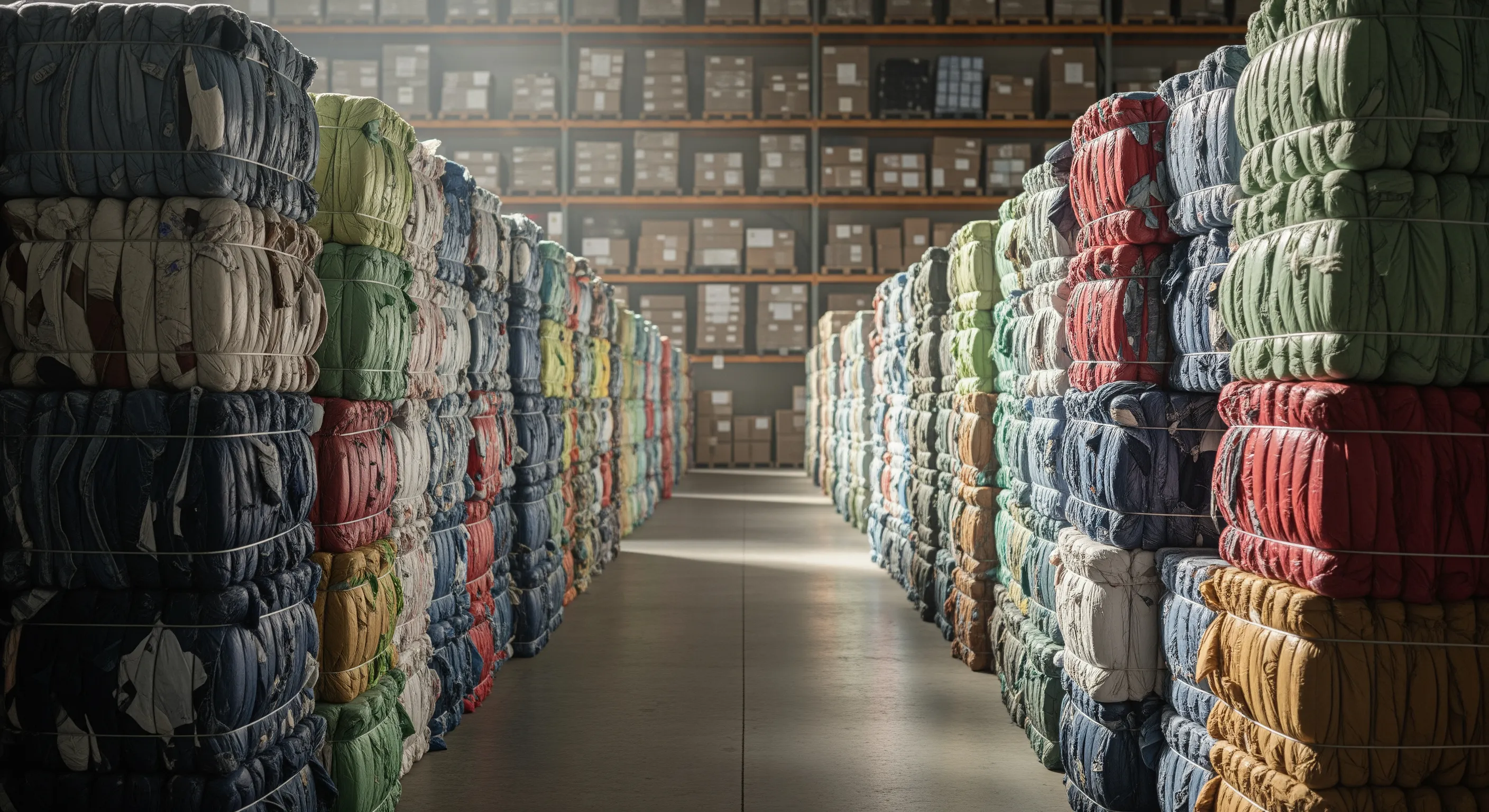
Working with Italian suppliers presents several advantages, such as a wide range of quality stock available and consistent supply chains. Suppliers in this region often have established operations that ensure quality control and compliance with EU regulations. Engaging with local wholesalers can streamline the importing process, reducing potential delays.
Moreover, proximity to distribution centers in Caserta means faster shipping times across Europe. The network of logistics providers also enhances the ability to transport goods efficiently, making Italy a prime location for wholesale activities.
Bulk Ordering and Minimum Quantities
Bulk purchasing is vital for wholesalers, as it impacts cost-efficiency and supply chain management. Many suppliers implement a minimum order quantity (MOQ) standard, often starting at 1000 kg for bulk packages, which helps maintain profitability while ensuring sufficient inventory.
Understanding the nuances of bulk ordering can aid buyers in negotiating better deals and maintaining strong supplier relationships. Ensuring that your orders align with demand forecasts is essential for mitigating surplus stock risks.
Logistics and Delivery
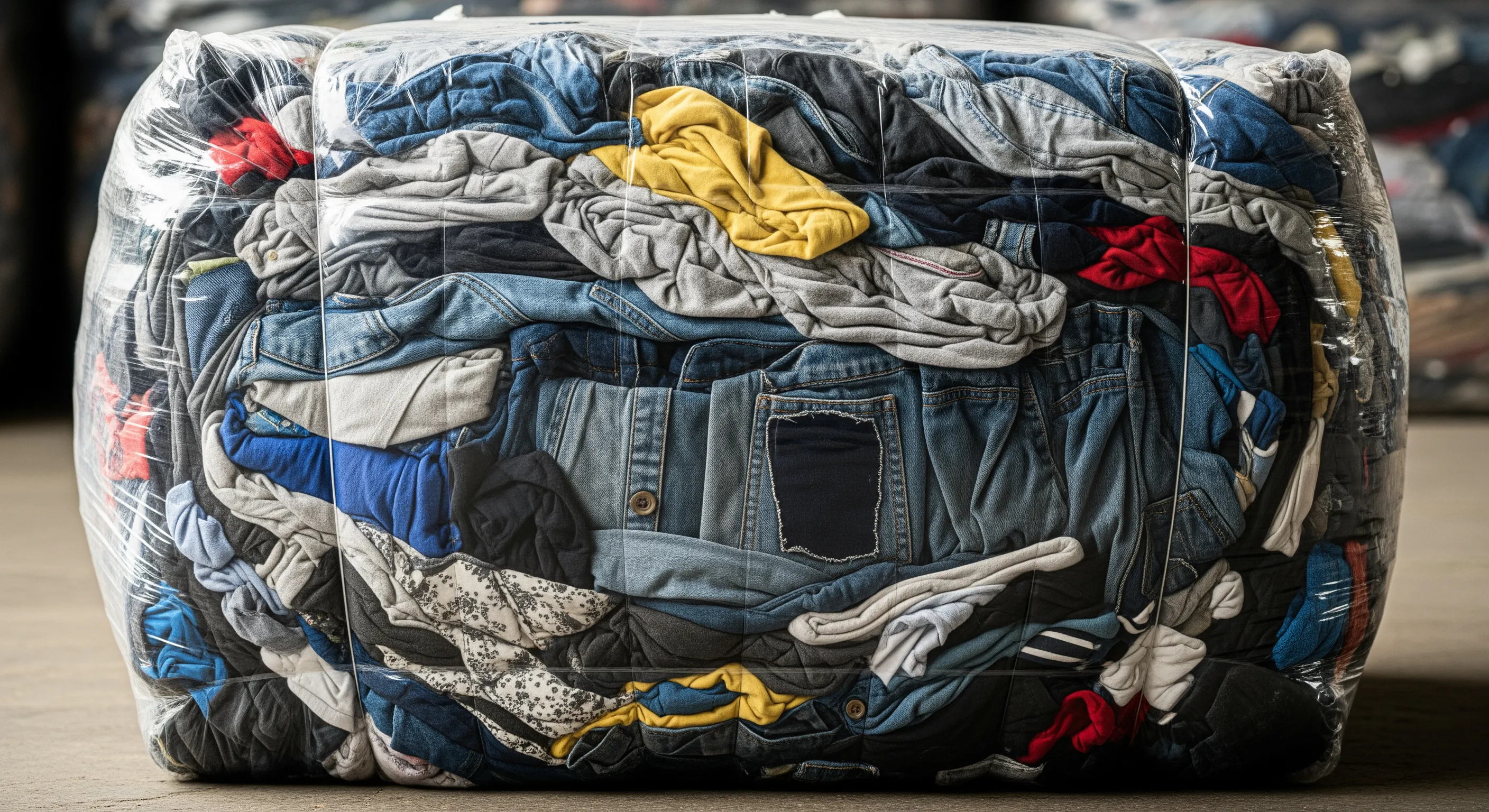
The logistics of second-hand clothing distribution play a critical role in ensuring timely delivery to wholesale buyers. Italy's location allows for efficient transport routes throughout Europe. Many suppliers utilize advanced logistics solutions to enhance their delivery processes, ensuring compliance with all regulations.
Establishing a reliable logistics partner can streamline operations, reduce costs, and maintain delivery schedules. A well-structured logistics plan is instrumental for successfully managing cross-border shipments, especially in time-sensitive situations.
Pro tip: Regularly review shipping procedures and supplier agreements to ensure they meet evolving market demands.
Quality Grading and Inspection
Quality grading is essential in maintaining the integrity of second-hand clothing. Suppliers often sort and grade garments based on fabric quality, brand, and wear condition. This systematic approach helps wholesale buyers meet their customers' expectations.
Having clear grading criteria enhances transparency in dealings and helps in building long-term relationships. Compliance with international standards is critical to assure buyers of quality and reduce the risk of returns.
Pro tip: Develop a checklist for inspecting goods upon arrival to ensure they meet quality standards.
Risk Management in Bulk Trading
Managing risk in bulk trading requires a strategic approach that includes assessing potential disputes over grading, transaction errors, or logistics failures. Creating a risk strategy can help minimize exposure and maintain profitability.
Establishing clear documentation practices and maintaining open communication with suppliers can help in preventing misunderstandings. It is essential to have a structured framework for coping with potential issues related to quality and delivery that can arise in bulk trading.
Pro tip: Implement risk assessment reviews regularly to adapt to potential changes in the trading landscape.
Get a B2B Quote for Italian Second-Hand and Stock Clothing
For trade buyers who need consistent bulk supply, clear grading and efficient EU delivery, explore Recycling Italy at recyclingitaly.com. To request a quote or schedule a warehouse visit near Caserta, contact the team here: Contact Us.
Frequently Asked Questions
What is used clothes wholesale?
Used clothes wholesale refers to bulk purchasing of second-hand garments, typically for resale by retailers or distributors.
How do I find reliable suppliers?
Research local wholesalers, assess their grading standards, and establish direct communication to evaluate their reliability.
What are the benefits of second-hand clothing?
Second-hand clothing is often more sustainable, cost-effective, and unique compared to new garments.
How can I manage logistics efficiently?
Partnering with experienced logistics providers and utilizing technology can significantly improve shipping efficiency.