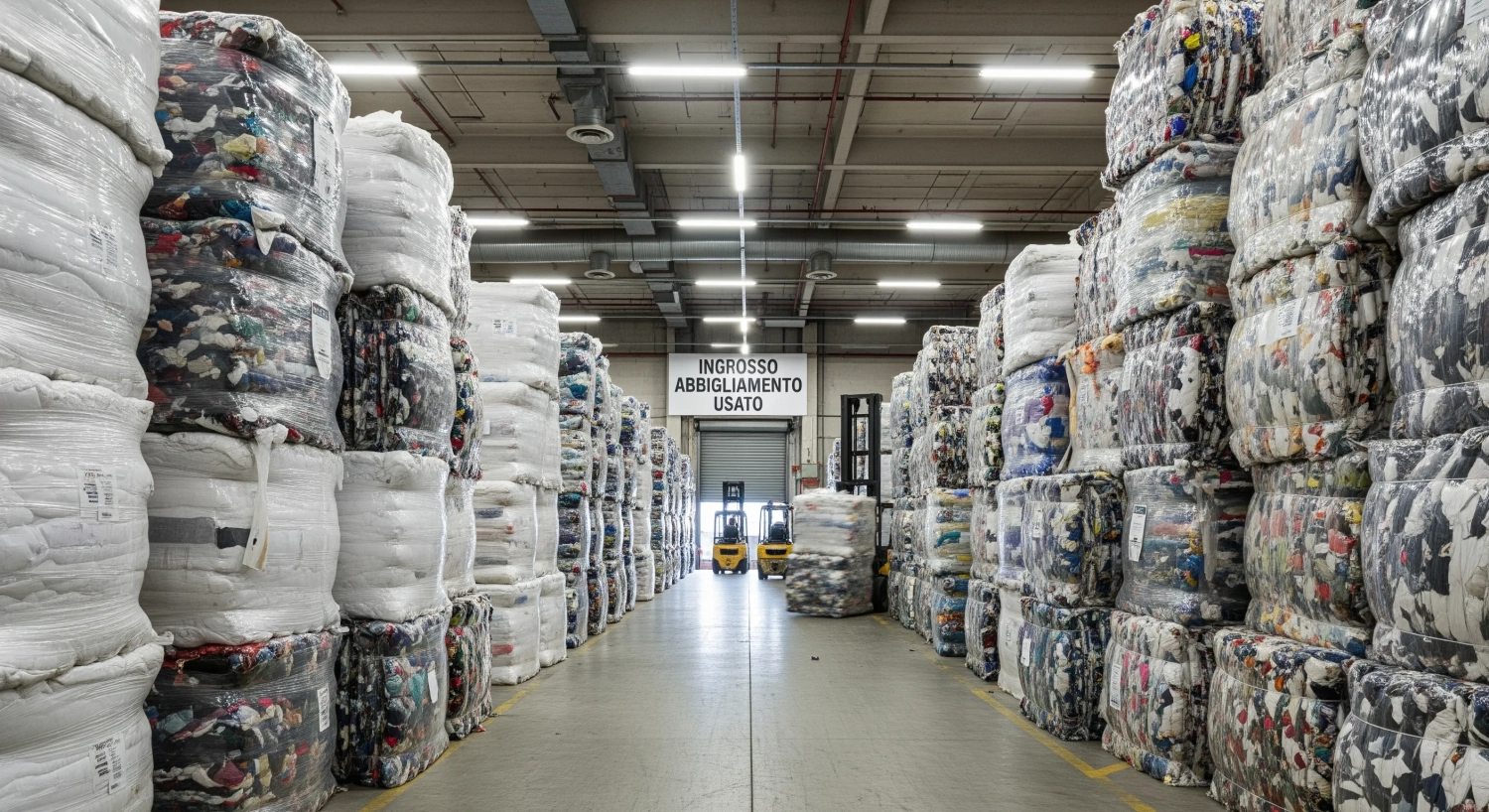
In today's rapidly evolving fashion landscape, finding reliable suppliers of ingrosso abbigliamento usato is crucial for B2B traders in Italy and the broader EU. With Marcianise Sud in Caserta serving as a logistical hub, companies can benefit from efficient shipping and streamlined operations. This geographic advantage not only facilitates quick deliveries but also supports the growing demand for quality second-hand clothing across Europe. As a trade buyer, establishing strong relationships with trustworthy suppliers can enhance your offerings and ensure satisfaction in your sales channels.
Table of Contents
- Key Takeaways
- Importance of Second-Hand Clothing in B2B
- Bulk Wholesale Options Available
- How to Identify Reliable Suppliers
- Navigating EU Regulations for Trade
- Sustainability and Recycling Initiatives
Key Takeaways
| Aspect | Details |
|---|---|
| MOQ | Typically starts at 1000 kg |
| Grading | Vital for ensuring product quality and appropriate pricing |
| Logistics | Leverage local hubs like Caserta for efficient distribution |
| Risk Control | Establish clear terms to mitigate grading and transit issues |
Importance of Second-Hand Clothing in B2B
Second-hand clothing has become a significant segment in the wholesale market, driven by an increased consumer preference for sustainable practices. The rise in demand for vintage clothing wholesale is indicative of changing consumer behaviors. Trade buyers can offer unique, quality products that appeal to environmentally conscious customers, giving them an advantage in competitive markets.
Bulk Wholesale Options Available
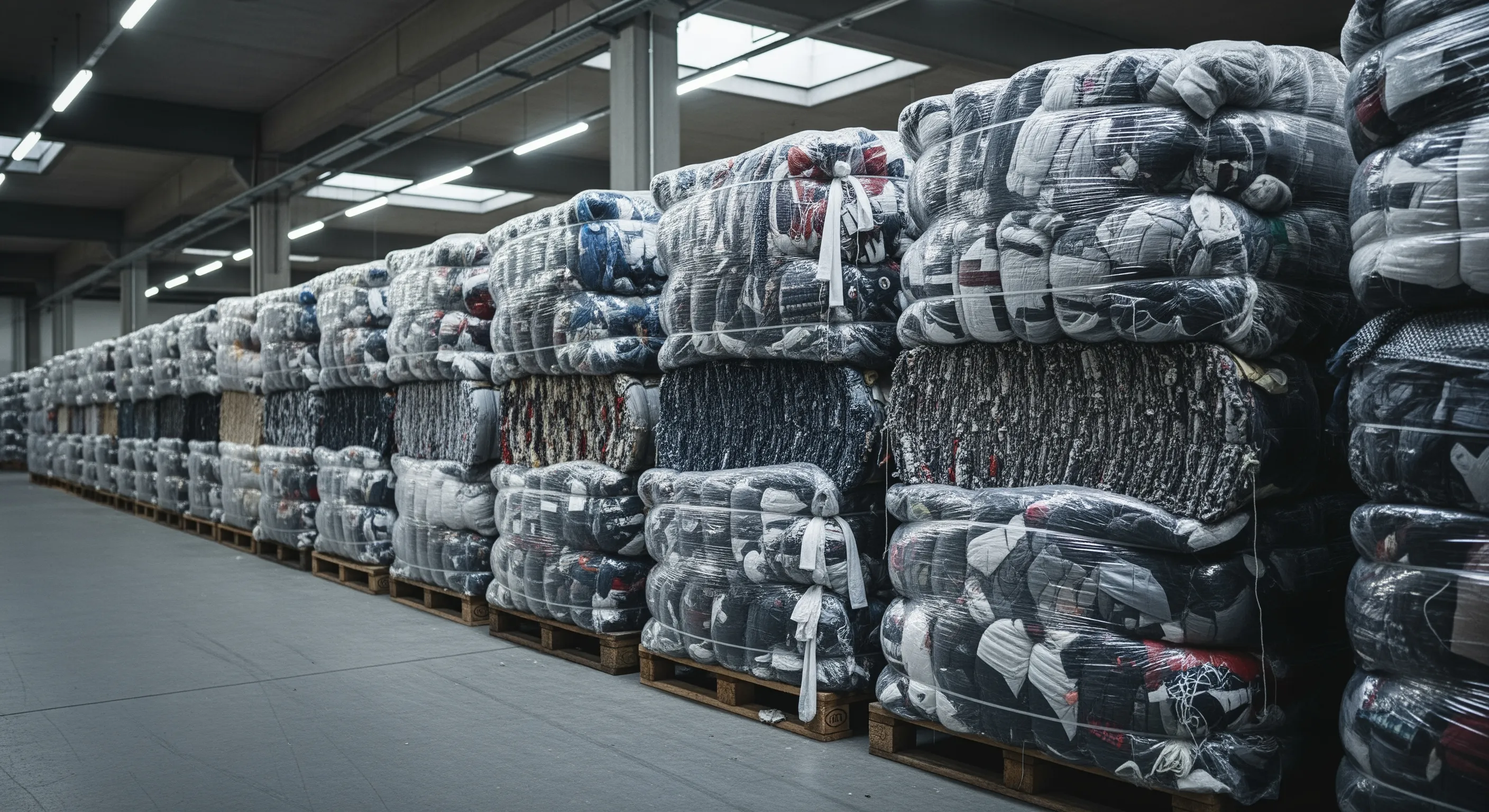
When collaborating with Italy clothing suppliers, bulk orders of second-hand clothing are the norm. This allows businesses to manage inventory levels effectively while benefiting from reduced costs per unit. Organizations should closely evaluate the stock clothing options available, ensuring they align with market trends and customer preferences.
Choosing reliable suppliers that offer transparency in their grading and sorting processes is essential. Requesting samples or visiting warehouses can help buyers assess stock quality before placing larger orders.
How to Identify Reliable Suppliers
To facilitate smooth operations, trade buyers should focus on establishing criteria for evaluating potential suppliers. Look for suppliers with verified reputations, proper certifications, and positive reviews from previous clients. Understanding the supplier’s logistics capabilities is also crucial, as it affects delivery timelines and costs.
Navigating EU Regulations for Trade
The intricacies of EU regulations can pose challenges for B2B buyers in the used apparel market. Understanding customs regulations and compliance requirements is critical for successful cross-border transactions. Utilizing resources and industry best practices can lead to smoother operations and enhanced trade efficiencies.
Sustainability and Recycling Initiatives
Emphasizing sustainability not only aligns with current consumer values but also contributes positively to the circular economy. Wholesalers should consider implementing recycling initiatives and sourcing practices that promote environmental responsibility.
Pro tip: Regularly review supplier performance and sustainability practices to ensure complete alignment with your business goals.
Get a B2B Quote for Italian Second-Hand and Stock Clothing
For trade buyers who need consistent bulk supply, clear grading and efficient EU delivery, explore Recycling Italy at recyclingitaly.com. To request a quote or schedule a warehouse visit near Caserta, contact the team here: Contact Us.
Frequently Asked Questions
What are the advantages of buying second-hand clothing?
Buying second-hand clothing offers cost savings, unique products, and supports sustainable practices.
How do I ensure quality in bulk orders?
Request samples and evaluate the grading and sorting processes of suppliers before ordering in bulk.
What is the typical MOQ for second-hand clothing?
The minimum order quantity usually starts at 1000 kg, depending on the supplier.
How can I navigate EU shipping regulations?
Familiarize yourself with customs regulations and work with suppliers experienced in EU logistics.