Discover Second Hand Clothes and Shoes Wholesale
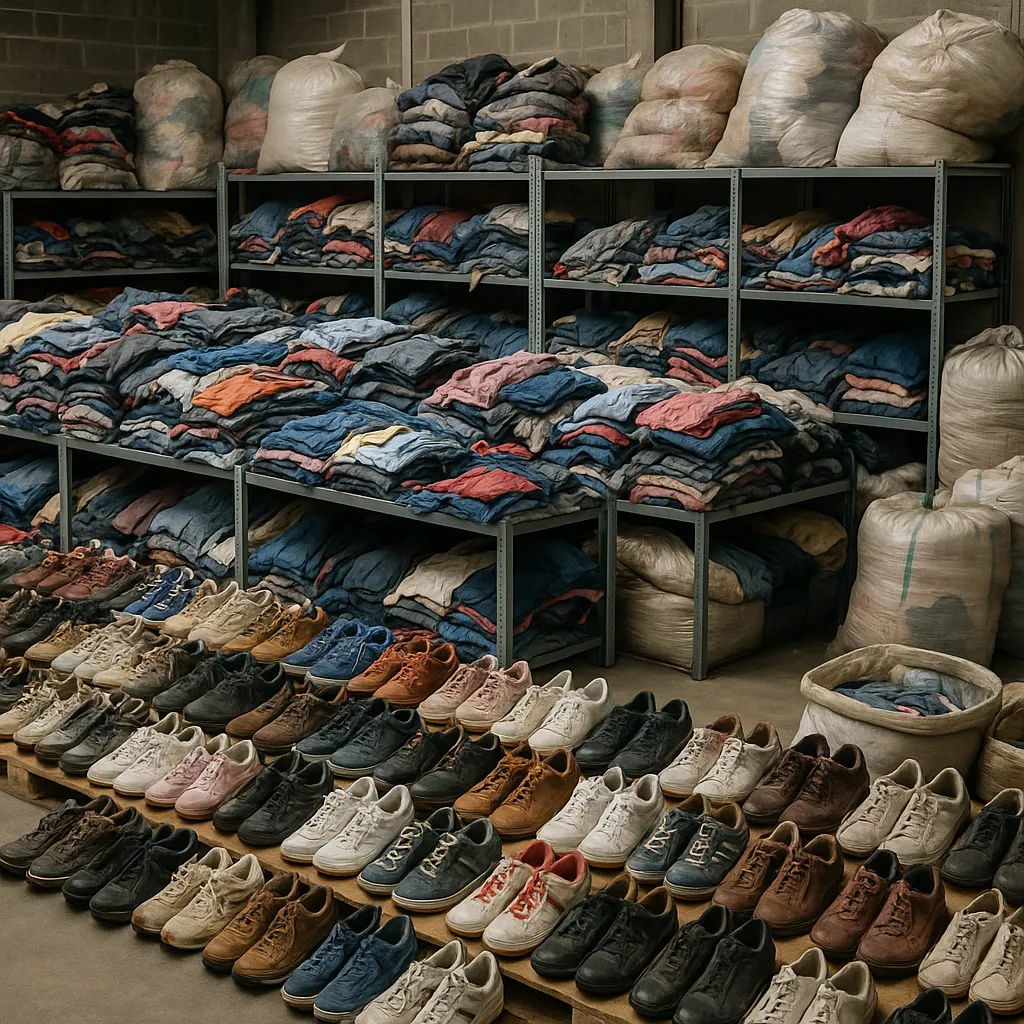
Second hand clothes and shoes wholesale have gained significant traction in recent years, appealing to retailers and consumers alike. The growing awareness of sustainable fashion has led many businesses to explore cost-effective options that not only provide quality but also help reduce environmental impact. In this article, we will delve into the benefits of sourcing second hand apparel and footwear in bulk, discuss the various categories available, and provide guidance on how to successfully navigate the wholesale market. Embracing second hand clothing is not just a wise business decision, but also a step towards a more sustainable future.
Understanding the Benefits of Second Hand Clothes and Shoes Wholesale
The advantages of purchasing second hand clothes and shoes wholesale are manifold. First and foremost, it allows retailers to tap into a unique market niche that appeals to eco-conscious consumers seeking sustainable alternatives. This demographic is increasingly turning towards thrift and vintage options, valuing quality over quantity. Additionally, wholesale purchasing can significantly reduce overhead costs, enabling businesses to offer competitive prices while maintaining healthy profit margins. Furthermore, investing in pre-owned clothing promotes a circular economy, reducing waste and extending the lifecycle of garments. By embracing second hand items, retailers can not only enhance their product offerings but also align with the growing trend of sustainability, which is becoming a vital factor in consumers' purchasing decisions.
Categories of Second Hand Clothes and Shoes Available Wholesale
When exploring second hand clothes and shoes wholesale, it’s important to recognize the variety of categories available that can cater to different consumer needs. These categories often include vintage clothing, designer pieces, everyday wear, seasonal items, and even specialty footwear. Vintage clothing has become particularly popular, with many consumers willing to pay a premium for unique, stylish pieces that have a story behind them. Similarly, designer second hand items can offer significant savings compared to new retail prices, making them attractive for luxury shoppers and bargain hunters alike. Everyday wear encompasses a wide range of casual attire suitable for various demographics, while seasonal items allow retailers to prepare for changing trends throughout the year. Moreover, specialty footwear, including athletic shoes, formal shoes, and boots, can also be sourced in bulk, providing a comprehensive selection for retail operations.
How to Source Second Hand Clothes and Shoes Wholesale
Sourcing second hand clothes and shoes wholesale can be a rewarding yet challenging process. It’s essential to establish reliable connections with wholesalers who specialize in second hand goods. Researching reputable suppliers online is a good start, but visiting trade shows and industry events can also yield fruitful relationships. Once potential suppliers are identified, it’s crucial to evaluate their quality standards and return policies to ensure that they meet your business requirements. Establishing a solid rapport with suppliers can also lead to better pricing and exclusive deals. Additionally, consider the logistics of shipping and storage, as these factors can impact your overall costs and efficiency. By effectively navigating the sourcing process, retailers can secure high-quality second hand apparel and footwear at competitive prices, ultimately leading to satisfied customers and increased sales.
Marketing Strategies for Second Hand Clothes and Shoes Wholesale
To successfully sell second hand clothes and shoes wholesale, effective marketing strategies are vital. Start by defining your target audience and tailoring your messaging to resonate with them. Highlight the sustainability aspect of your offerings, as this will attract eco-conscious consumers who are more likely to support businesses committed to environmental responsibility. Utilize social media platforms to showcase your products through engaging visuals and storytelling. Featuring customer testimonials and before-and-after transformations can also enhance your marketing efforts. Collaborating with influencers who prioritize sustainable fashion can expand your reach and credibility within this niche. Additionally, consider hosting pop-up shops or participating in local markets to engage directly with potential customers. By implementing these strategies, you can create a strong brand presence and drive interest in your wholesale second hand clothes and shoes.
Building a Community Around Sustainable Fashion
Building a community around sustainable fashion is essential for the long-term success of businesses specializing in second hand clothes and shoes wholesale. Engaging with customers through online forums, social media groups, and newsletters can foster a sense of belonging and encourage repeat purchases. Sharing valuable content, such as styling tips, care guides, and sustainability education, helps position your brand as an authority in the industry. Hosting events or workshops focused on upcycling and sustainable living can further strengthen community ties, while also showcasing your products in a unique light. Collaborating with local charities or organizations that align with your values can amplify your impact and attract customers who appreciate businesses that give back. By nurturing a community focused on sustainable fashion, you’re not only driving sales but also contributing to a larger movement that promotes environmental consciousness and responsible consumerism.
Challenges in the Second Hand Clothes and Shoes Wholesale Market
While the second hand clothes and shoes wholesale market offers numerous opportunities, several challenges may arise. Competition is fierce, with many retailers vying for a share of the growing market. To stand out, it's vital to offer exceptional quality and unique products. Additionally, fluctuating consumer preferences can make it difficult to predict which styles will be in demand, necessitating a flexible inventory strategy. Quality control is another significant concern, as not all second hand items will meet the standards expected by consumers. Implementing rigorous inspection and grading processes can help mitigate this issue. Lastly, maintaining a balance between sustainability and profitability is crucial; while consumers value eco-friendly practices, they also expect competitive pricing. By addressing these challenges head-on, businesses can carve out a niche in the second hand wholesale market, ensuring ongoing success and sustainability.
Conclusion and Call to Action
In conclusion, second hand clothes and shoes wholesale present a remarkable opportunity for retailers seeking to capitalize on the growing demand for sustainable fashion. With numerous benefits, diverse product categories, and effective marketing strategies, businesses can thrive in this evolving market. As you embark on your journey into the world of second hand wholesale, consider exploring our extensive product offerings at RecyclingItaly. Join us in promoting sustainability in fashion while enjoying the financial benefits of this burgeoning industry. Ready to make a positive impact? Reach out through our contact page and let’s discuss how we can support your wholesale needs!
FAQ
What are the benefits of second hand clothes and shoes wholesale?
The benefits of second hand clothes and shoes wholesale are numerous, including cost savings, sustainability, and unique inventory. Retailers can offer competitive pricing while appealing to eco-conscious consumers who favor sustainable fashion. Sourcing in bulk allows businesses to save on overhead costs, thus maximizing profit margins. Additionally, second hand items often come with a story and character, making them attractive to consumers who seek individuality in their wardrobe. By embracing this market, retailers not only cater to a growing trend but also contribute to reducing waste and promoting circular fashion practices.
How can I find reliable second hand clothes and shoes suppliers?
Finding reliable second hand clothes and shoes suppliers involves a combination of research and networking. Start by exploring online platforms dedicated to wholesale fashion, where you can find a variety of suppliers. Trade shows and industry events are excellent opportunities to meet potential partners face-to-face, allowing you to assess their offerings and quality firsthand. Additionally, seeking recommendations from other retailers in the industry can lead you to trustworthy suppliers. Always verify their credentials and quality standards before making any commitments, ensuring they align with your business values.
What types of clothing are typically available in second hand wholesale?
Second hand wholesale offerings typically include a diverse range of clothing styles, catering to various demographics and preferences. Common categories encompass casual wear, vintage items, designer pieces, and seasonal clothing. Retailers can also find specialty items, such as athletic wear and formal attire, to suit different consumer needs. The variety ensures that businesses can curate a unique inventory that appeals to a wide audience, allowing them to stand out in a competitive market. By diversifying their offerings, retailers can better meet the demands of their customers and capitalize on emerging trends.
How do I effectively market second hand clothes and shoes?
Effectively marketing second hand clothes and shoes requires a strategic approach that emphasizes sustainability and uniqueness. Utilize social media platforms to engage with your audience, showcasing your products through high-quality visuals and compelling storytelling. Highlighting the environmental benefits of choosing second hand items can resonate with eco-conscious consumers. Collaborating with influencers in the sustainable fashion space can also broaden your reach and enhance credibility. Additionally, consider hosting events or participating in local markets to connect with customers directly. Building a community around your brand can foster loyalty and drive repeat business.
What are some common challenges faced in the second hand wholesale market?
Common challenges in the second hand wholesale market include fierce competition, fluctuating consumer preferences, and quality control issues. As more retailers enter the space, standing out becomes imperative, necessitating a focus on unique offerings and exceptional quality. Predicting trends can also be difficult, as consumer tastes evolve rapidly. Establishing rigorous quality control measures is crucial to ensure that products meet customer expectations. Balancing sustainability with profitability can be challenging as well; retailers must find ways to keep prices competitive while adhering to environmentally friendly practices. Addressing these challenges is essential for long-term success.