Discover 2nd Hand Clothes Wholesale for Sustainable Fashion
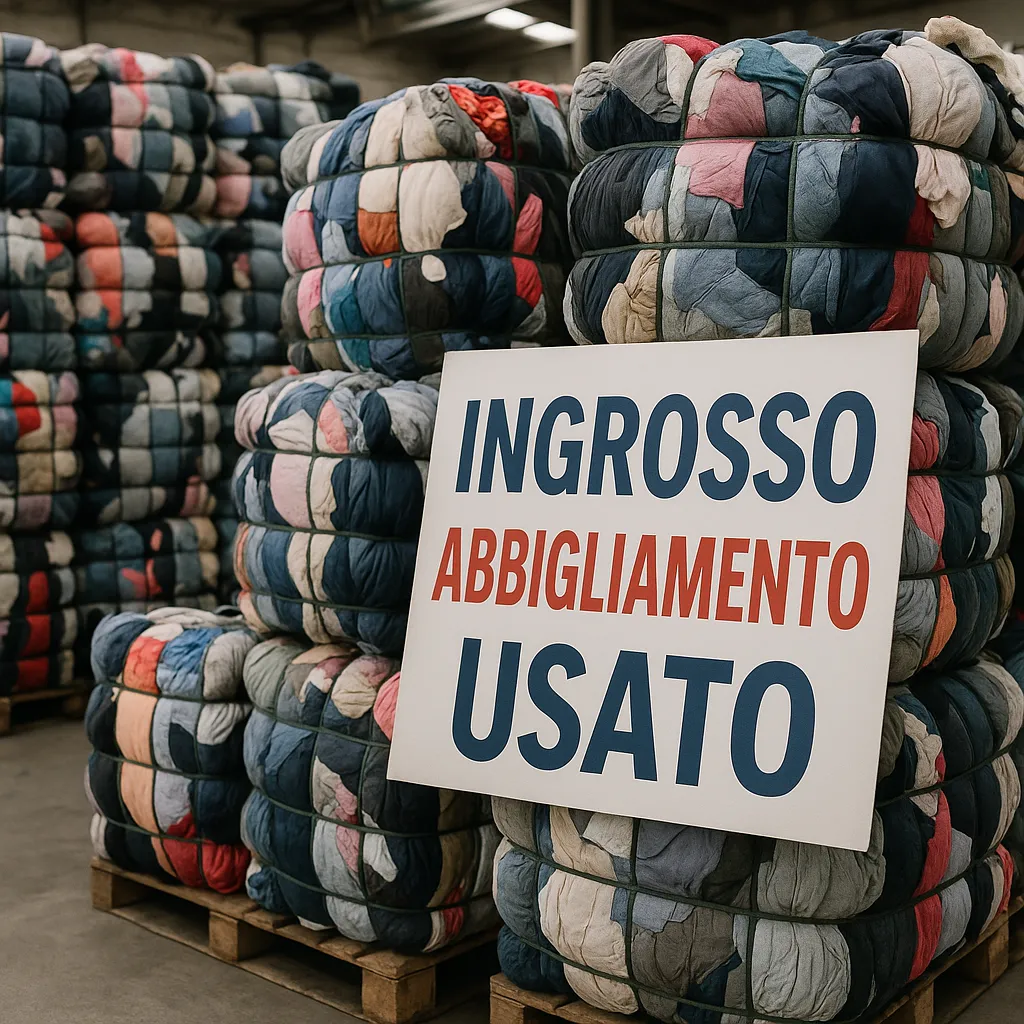
When it comes to sourcing quality apparel at affordable prices, 2nd hand clothes wholesale offers an incredible opportunity for retailers looking to cater to the growing market of eco-conscious consumers. As sustainability becomes a priority for many, businesses are increasingly turning to wholesale suppliers of second-hand clothing to meet customer demand while minimizing environmental impact. This approach not only allows retailers to stock unique items but also supports a circular economy by promoting the reuse of textiles. By embracing 2nd hand clothes wholesale, retailers can tap into a trend that is here to stay, providing customers with stylish yet environmentally friendly choices.
Understanding the Market for Second-Hand Clothing
The market for second-hand clothing has seen exponential growth in recent years, driven by a combination of consumer awareness about sustainability and the desire for unique fashion items. Retailers looking to capitalize on this trend should understand the dynamics of the wholesale market for second-hand clothing. Many suppliers specialize in sourcing high-quality items, often including branded goods, which are then sold in bulk to retailers. This allows businesses to offer a diverse range of products without the high costs associated with new inventory. Additionally, wholesalers often provide detailed information about the condition and style of items, enabling retailers to curate their selections effectively. Understanding these market dynamics can help businesses make informed decisions and select the right wholesale partners to suit their needs.
Benefits of Sourcing 2nd Hand Clothes Wholesale
Sourcing 2nd hand clothes wholesale comes with numerous advantages for retailers. First and foremost, it enables businesses to provide customers with unique items that cannot be found in traditional retail environments. This uniqueness often attracts shoppers who are looking for individualistic styles that reflect their personality. Furthermore, purchasing wholesale reduces the cost per item, allowing retailers to maintain healthy profit margins while offering competitive pricing. Another significant benefit is the positive environmental impact; by selling second-hand clothing, retailers contribute to reducing textile waste and promoting sustainable consumption. Engaging in this market not only fulfills consumer demand but also aligns with corporate social responsibility initiatives, enhancing brand image and loyalty among eco-conscious customers.
Finding Reliable Wholesale Suppliers
Identifying reliable suppliers is crucial when entering the wholesale market for second-hand clothing. Retailers should prioritize suppliers known for their quality control and ethical sourcing practices. It’s essential to research potential partners, seeking out reviews and testimonials from other retailers. Additionally, visiting wholesale markets or trade shows can provide valuable networking opportunities and insights into the latest trends in second-hand clothing. Many suppliers offer samples or trial orders, allowing retailers to assess the quality of items before committing to larger purchases. By establishing strong relationships with trustworthy wholesalers, retailers can ensure a steady supply of quality products that meet consumer expectations.
Marketing and Selling Second-Hand Clothing
Once retailers have sourced their inventory, effective marketing strategies are essential for promoting second-hand clothing. Social media platforms, particularly Instagram and Facebook, serve as powerful tools for showcasing unique pieces and building a community around sustainable fashion. Retailers should consider creating visually appealing content that highlights the stories behind individual items, appealing to customers' emotions and values. Additionally, incorporating SEO strategies that target keywords related to second-hand clothing can help improve online visibility, attracting more traffic to retail websites. Hosting events or pop-up shops can also create excitement and draw local customers, allowing retailers to engage directly with their community while promoting the benefits of choosing sustainable fashion options.
Challenges in the Second-Hand Clothing Wholesale Market
While the market for 2nd hand clothes wholesale presents numerous opportunities, it is not without its challenges. One significant issue is the variability in quality; not all second-hand items are in good condition, and retailers must be diligent in selecting their inventory to ensure customer satisfaction. This often requires additional resources for sorting and inspecting items, which can be time-consuming and labor-intensive. Another challenge is competition; as the demand for second-hand clothing rises, more retailers are entering the market, making it crucial for businesses to differentiate themselves. Establishing a strong brand identity and focusing on quality can help retailers stand out in a crowded marketplace. Additionally, navigating the complexities of sourcing, pricing, and managing inventory can pose logistical challenges that require strategic planning and execution.
Future Trends in Second-Hand Clothing
The future of the second-hand clothing market appears promising, with trends leaning towards greater digitalization and consumer engagement. As more shoppers turn to online platforms for their purchases, retailers must adapt their strategies to provide a seamless online shopping experience. This includes investing in user-friendly websites, efficient logistics, and responsive customer service. Additionally, there is a growing trend toward transparency in sourcing and pricing, with consumers seeking brands that openly communicate their practices. Retailers who embrace these trends and prioritize sustainability will likely flourish in this evolving market. Collaborations with influencers and sustainable fashion advocates can further amplify brand messages, reaching a wider audience and fostering community around second-hand clothing.
The Role of Technology in Wholesale Sourcing
Technology plays an increasingly vital role in the wholesale sourcing of second-hand clothing. Retailers can leverage various digital tools and platforms to streamline their supply chain processes, making it easier to connect with wholesalers and manage inventory effectively. Online marketplaces specifically designed for second-hand goods are gaining traction, providing retailers with access to a broader range of suppliers and products. Additionally, data analytics can help retailers understand consumer trends and preferences, allowing them to make informed purchasing decisions. By integrating technology into their sourcing strategies, retailers can enhance their operational efficiency, reduce costs, and ultimately provide a better shopping experience for their customers.
Conclusion: Embracing Sustainable Fashion through 2nd Hand Clothes Wholesale
In conclusion, tapping into the 2nd hand clothes wholesale market offers retailers a sustainable and profitable avenue for growth. By understanding market dynamics, sourcing from reliable suppliers, and effectively marketing unique offerings, retailers can successfully cater to the rising demand for eco-friendly fashion. The challenges that come with this journey can be mitigated with strategic planning and a focus on quality and customer engagement. As consumers continue to prioritize sustainability, retailers who embrace this shift will not only thrive but also contribute positively to the environment. By making sustainable fashion choices accessible to the masses, businesses can play a pivotal role in shaping a more responsible future for the fashion industry. Start your journey into the world of sustainable fashion today!
| Supplier Name | Location | Contact | Specialization |
|---|---|---|---|
| EcoFashion Wholesale | Italy | [email protected] | Branded Second-Hand Items |
| Vintage Vibes | Germany | [email protected] | Retro Clothing |
| Green Threads | Spain | [email protected] | Eco-Friendly Fashion |
| Thrifted Treasures | France | [email protected] | Unique Finds |
| Recycled Wardrobe | UK | [email protected] | Upcycled Fashion |
For more information on our products, visit our products page. If you’d like to learn about our social mission, check out our social mission. For inquiries, feel free to contact us.
Disclaimer: The information provided in this article is for informational purposes only and should not be considered as professional advice.