Buy Second Hand Shoes in Bulk for Great Deals
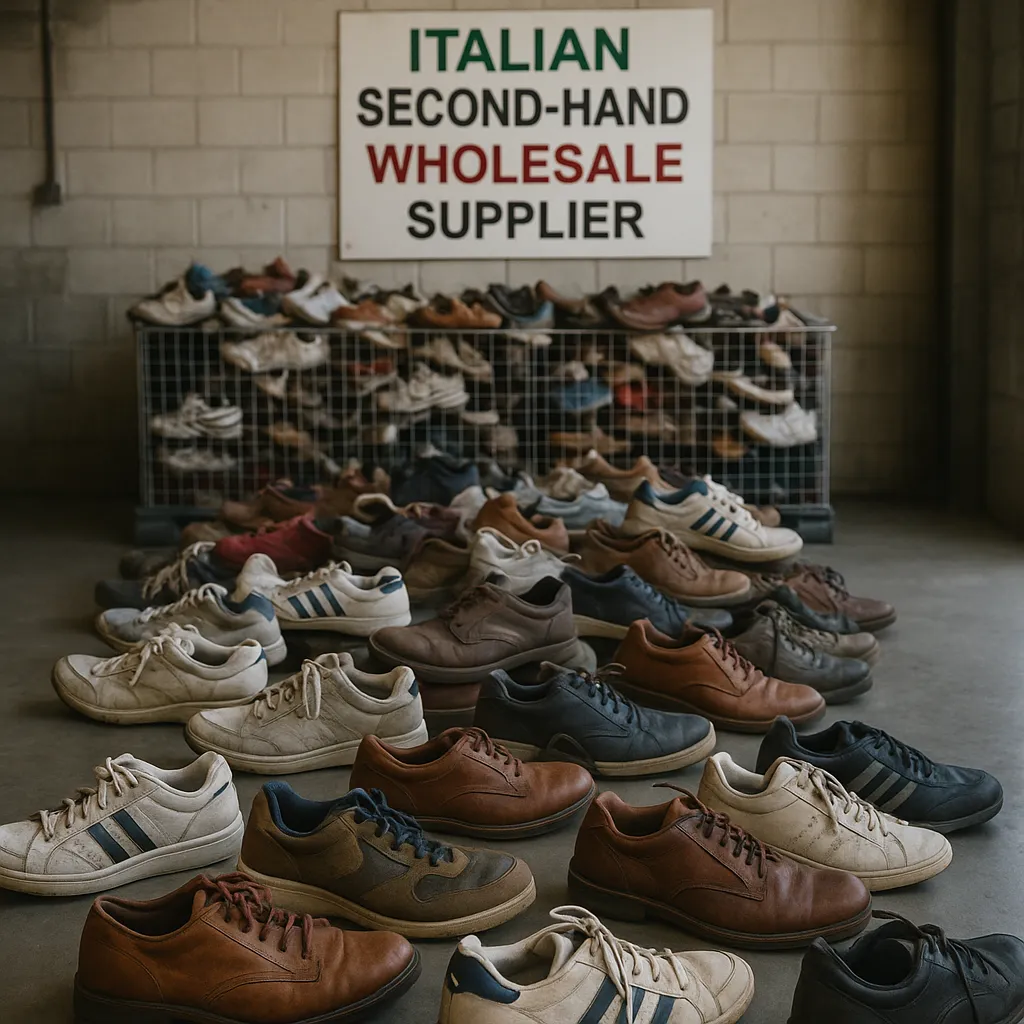
Are you looking to buy second hand shoes in bulk? The market for second-hand footwear is booming, and for good reason. Not only does purchasing used shoes support sustainable fashion practices, but it also allows you to acquire high-quality products at significantly reduced prices. Many consumers and retailers are now turning to bulk purchasing as a cost-effective way to stock their inventories or to find unique footwear styles that aren't available in mainstream stores. This article will explore the various aspects of buying second-hand shoes in bulk, including the benefits, sourcing methods, and tips for ensuring quality.
The Benefits of Buying Second Hand Shoes in Bulk
There are numerous advantages to purchasing second hand shoes in bulk. Primarily, it is a cost-effective method of acquiring fashionable and high-quality footwear without breaking the bank. Many retailers can achieve substantial savings by buying in bulk, allowing them to pass these savings onto their customers. Furthermore, bulk purchases can lead to better inventory management as businesses can stock up on popular items, ensuring they are always available for shoppers. Sustainability is another crucial benefit; by opting for second-hand shoes, you're participating in a circular economy that reduces waste and promotes environmental responsibility. This practice not only extends the life of the shoes but also decreases the demand for new manufacturing, which is often resource-intensive. Additionally, buying second hand shoes in bulk allows for a greater variety of styles and sizes, making it easier for businesses to cater to diverse customer preferences.
Finding Reliable Suppliers
Once you've decided to buy second hand shoes in bulk, the next step is identifying reliable suppliers. Start by researching local thrift stores, consignment shops, and online marketplaces that specialize in second-hand goods. Many of these establishments offer bulk purchasing options, especially for retailers looking to resell. Online platforms can also be a goldmine for finding wholesalers or suppliers who can provide large quantities of shoes at discounted rates. Look for suppliers with positive reviews and a solid reputation in the industry. It is essential to build relationships with these suppliers to ensure consistent quality and availability. Additionally, visiting trade shows or industry events can be an effective way to meet suppliers and explore new opportunities. Networking with other businesses in the same niche may also lead to valuable recommendations for trustworthy sources.
Quality Control: Ensuring Great Purchases
Quality control is a critical aspect when you decide to buy second hand shoes in bulk. Not all second-hand shoes are created equal; some may show significant wear and tear, while others could be practically new. Establishing a thorough inspection process is vital to ensure that you only purchase high-quality items. When dealing with suppliers, ask for samples or images of the shoes before committing to a bulk order. Look for signs of damage, such as worn soles, scuff marks, or unsightly stains. It's also beneficial to inquire about the shoe's history, including how long they have been in circulation and their previous use. If you're sourcing shoes from various suppliers, consider developing a checklist to standardize your quality control process, ensuring that every pair meets your standards before they are sold to customers. This diligence will ultimately enhance your brand's reputation and customer satisfaction.
Marketing Strategies for Second Hand Shoes
Having acquired a bulk of second hand shoes, the next logical step is implementing effective marketing strategies to attract customers. Social media platforms are an excellent avenue for showcasing your inventory. Create visually appealing posts that highlight the unique aspects of your shoes, such as their vintage appeal or eco-friendly credentials. Engaging storytelling can also attract customers; share the journey of the shoes, how they were sourced, and why they are worth purchasing. Offering promotions or discounts for first-time buyers can encourage new customers to try your products. Additionally, consider creating an online store that focuses exclusively on your second-hand shoe collection. By optimizing your website for search engines, you can drive organic traffic to your store, making it easier for potential customers to find your offerings. Collaborating with influencers in the sustainable fashion niche can also amplify your reach and credibility, making your brand more recognizable.
Creating a Sustainable Business Model
Building a sustainable business model around your bulk purchases of second hand shoes is essential for long-term success. Sustainability not only appeals to a growing demographic of environmentally-conscious consumers but also positions your brand as a responsible player in the fashion industry. Consider implementing practices such as using eco-friendly packaging, promoting local sourcing, and offering recycling programs for old shoes. By integrating sustainability into your business model, you can create a loyal customer base that values ethical consumption. Additionally, transparency about your sourcing methods and the impact of your business on the environment can further strengthen your brand's reputation. Ensure that you communicate your mission clearly to your audience, as this helps to build trust and encourages repeat purchases. Also, consider donating a portion of your profits to environmental causes or organizations that support sustainable fashion initiatives, reinforcing your commitment to making a difference.
Where to Buy Second Hand Shoes in Bulk
Knowing where to buy second hand shoes in bulk is crucial for anyone looking to acquire a diverse inventory. Start by exploring local thrift stores and flea markets, as these often have a wide range of footwear options at affordable prices. Online platforms like eBay or Poshmark can also be advantageous for bulk purchases, especially when searching for specific brands or styles. Additionally, wholesalers who specialize in second-hand goods can provide a reliable source for bulk buying. Websites dedicated to wholesale fashion, like Alibaba or dedicated second-hand wholesale sites, can be perfect for businesses looking to stock up. Be sure to compare prices and read reviews to ensure you are getting the best deal possible. Moreover, consider reaching out to manufacturers that may have excess stock of shoes that can be sold at a reduced price. By diversifying your sourcing channels, you increase your chances of finding quality second-hand shoes in bulk that meet your needs.
FAQ
Where can I buy second hand shoes in bulk?
You can buy second hand shoes in bulk from various sources, including local thrift stores, consignment shops, and online marketplaces. Websites like eBay or Poshmark are also excellent for bulk purchasing, especially if you're looking for specific brands or styles. Additionally, consider reaching out to wholesalers who specialize in second-hand goods or exploring dedicated wholesale fashion sites. Local flea markets and trade shows can also provide valuable opportunities to connect with suppliers and find unique footwear collections.
What are the benefits of buying second hand shoes?
Buying second hand shoes offers numerous benefits, including cost savings, sustainability, and access to unique styles. By purchasing used footwear, you can often find high-quality products at a fraction of the original price. This practice supports a circular economy, helping to reduce waste and environmental impact. Additionally, second-hand shoes often come with character and history, appealing to those looking for distinct fashion pieces. For retailers, sourcing second-hand inventory can lead to better profit margins and increased customer loyalty due to the exclusive nature of their offerings.
How can I ensure the quality of second hand shoes?
To ensure the quality of second hand shoes, it's essential to establish a thorough inspection process when sourcing. Look for signs of wear, such as scuff marks or damaged soles, and inquire about the shoe's history. When purchasing from suppliers, ask for detailed images or samples before committing to bulk orders. Implementing a quality control checklist can help standardize your evaluation process, ensuring that every pair meets your standards before reaching customers. This commitment to quality will enhance your brand's reputation and customer satisfaction.
What marketing strategies work best for selling second hand shoes?
Effective marketing strategies for selling second hand shoes include leveraging social media platforms to showcase your inventory and tell compelling stories about the shoes. Engaging visuals and promotions for first-time buyers can attract new customers. Creating an online store dedicated to second-hand footwear and optimizing it for search engines can increase visibility. Collaborating with influencers in the sustainable fashion niche can also broaden your reach and enhance your credibility, making your brand more recognizable in the market.
How can I create a sustainable business model with second hand shoes?
Creating a sustainable business model with second hand shoes involves integrating eco-friendly practices into your operations. This can include using sustainable packaging, promoting local sourcing, and implementing recycling programs for old shoes. Transparency about your sourcing methods and the environmental impact of your business is crucial for building trust with customers. Additionally, consider donating a portion of your profits to environmental causes to reinforce your commitment to sustainability, which can also encourage loyal customers who value ethical consumption.
Are there any risks associated with buying second hand shoes in bulk?
Yes, there are risks associated with buying second hand shoes in bulk, primarily related to quality and demand. Not all second-hand shoes may meet your standards, leading to potential returns or dissatisfied customers. Additionally, trends in footwear can change rapidly, and what is popular today may not be tomorrow, making it crucial to stay informed about market preferences. To mitigate these risks, establish solid supplier relationships, implement quality control measures, and conduct thorough market research before committing to bulk purchases.